All Destinations
576 guides — page 20 of 24

Santo Domingo
Dominican Republic
The oldest European-settled city in the Americas, with a UNESCO colonial zone, merengue-fueled nightlife, and Dominican cuisine. Gateway to the country's beaches and mountains.

Santorini
Greece
Santorini is the Greek island of dreams — whitewashed villages clinging to volcanic cliffs above a sapphire caldera. Oia's sunset is legendary, Fira's clifftop bars are unforgettable, and the black sand beaches are unlike anywhere else. Visit the ancient Akrotiri ruins, taste Assyrtiko wine, and take a boat trip to the volcanic hot springs.

São Paulo
Brazil
South America's largest metropolis is a powerhouse of culture, cuisine, and nightlife. The food scene rivals any city on earth with incredible Japanese, Italian, and regional Brazilian restaurants. Vila Madalena's street art and Paulista Avenue's energy define the city.

Sapa
Vietnam
Northern Vietnam mountain town at 1,500m near the Chinese border — iconic terraced rice paddies carved by Hmong and Dao ethnic minorities, Fansipan's 3,143m "Roof of Indochina" cable car, and multi-day homestay treks through Muong Hoa Valley. Cool year-round, foggy often, and best in golden September-October or green April-May.
Sapporo
Japan
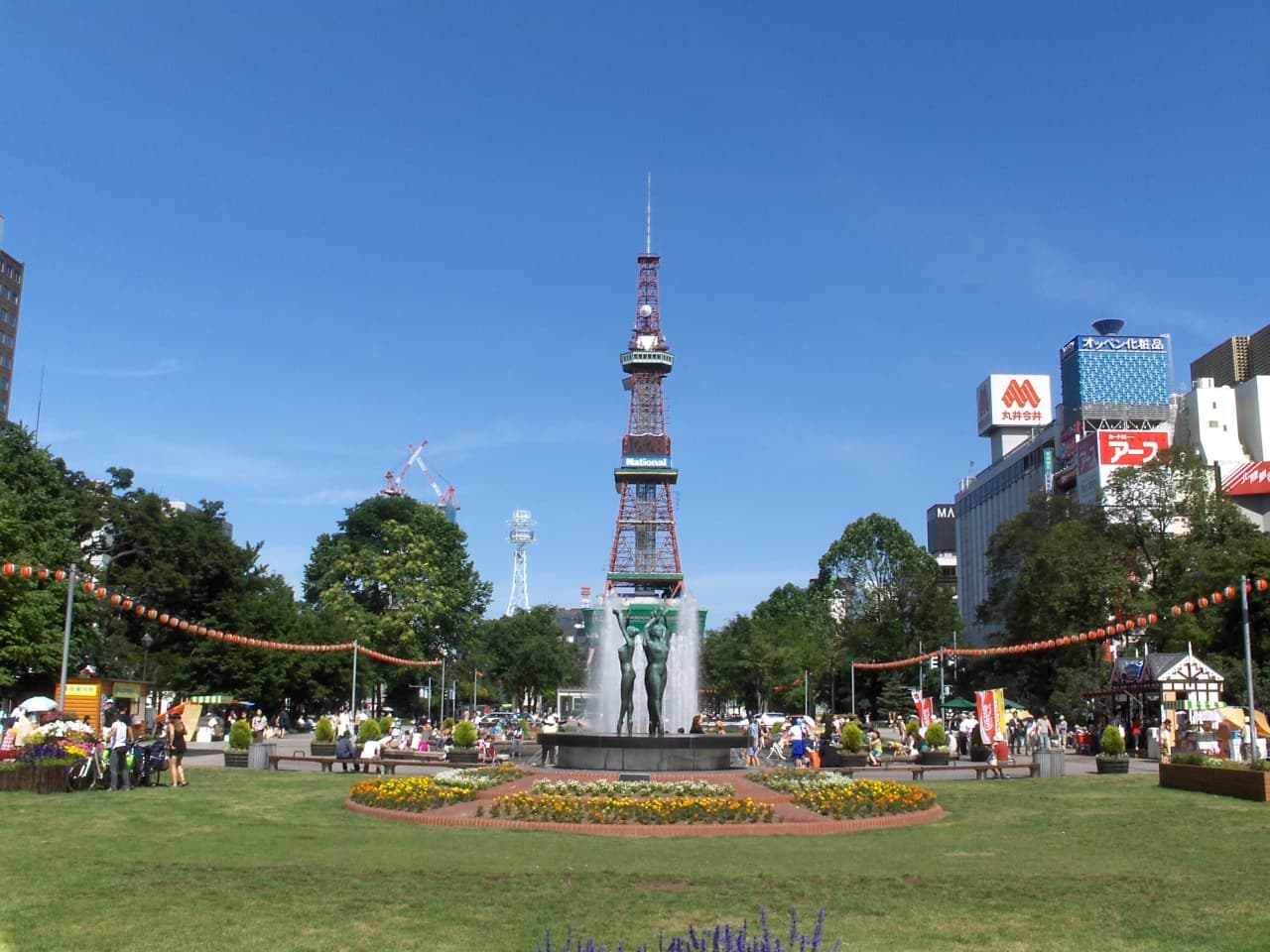
The capital of Hokkaido and Japan’s 5th-largest city — a 1.97-million-person grid laid out in 1869 with Boston-influenced street planning during Japan’s rapid Hokkaido colonisation, now the gateway to the country’s northernmost main island. Sapporo invented miso ramen (1955) and soup curry (1971); the Snow Festival every February draws 2+ million people to see 200+ massive snow and ice sculptures up to 15 m tall; Niseko’s premier-tier powder skiing is 90 minutes west; Susukino is Japan’s third-largest nightlife district after Tokyo’s Kabukicho and Osaka’s Dotonbori. Add the original Sapporo Beer Garden’s Genghis Khan jingisukan barbecue, the morning sushi at Nijo Market (Hokkaido seafood at half the Tokyo price), and Mount Moiwa’s sunset — one of Japan’s "Three Greatest Night Views".

Sarajevo
Bosnia and Herzegovina
The city where WWI started (Latin Bridge, 1914) and where the longest siege of a modern capital ended (1,425 days, 1992–1995). Ottoman Baščaršija bazaar, the Gazi Husrev-bey Mosque, the War Tunnel Museum, and the haunting War Childhood Museum sit in a valley where Orthodox, Catholic, Muslim, and Jewish monuments stand within 400 metres of each other — "Jerusalem of Europe." The 1984 Winter Olympics ski slopes are 45 minutes away.

Sarandë
Albania
Sarandë is the southern anchor of the Albanian Riviera — a horseshoe bay of pebble beach and pastel apartment blocks staring across 18 km of Ionian Sea at the Greek island of Corfu. From the hilltop Lëkurësi Castle (a 30-minute climb or a €5 taxi) you get the photogenic two-bay sunset; from the harbour ferries cross to Corfu in 30 minutes (€19, multiple daily); and from the bus station the Ksamil islets (turquoise coves, swim-out distance) and the UNESCO Butrint ruins (Greek-Roman-Byzantine-Venetian, 2,500 years of city stacked on an island) are 15 and 25 minutes south. The town itself is honest about being a beach resort first — most architecture is post-1991 — but the location is hard to beat in Europe at €60/day all-in.

Sardinia
Italy
The Mediterranean's second-largest island after Sicily, sitting halfway between Italy and Tunisia and reached in an hour by air from Rome or Milan. The northeast Costa Smeralda, developed by the Aga Khan and Berlusconi-era investors, is one of Europe's premier yachting strips, with turquoise water that fades from emerald to deep blue against pink granite headlands. Cagliari, the southern capital, climbs from a working port up to the Bastione di Saint Remy. Inland, more than 7,000 prehistoric nuraghi stone towers from the Bronze Age are scattered across the hills, and pasta sa malloreddus with pecorino sardo defines the table.

Savannah
United States
Savannah is Spanish moss, cobblestone streets, and 22 garden squares laid out in 1733 — one of the most perfectly preserved colonial grids in America. It's also a to-go-cup town where SCAD art students, ghost tours, and century-old dining rooms like Mrs. Wilkes share the same shady blocks. Beach day at Tybee Island is 20 minutes east.

Scottish Highlands
United Kingdom
The Scottish Highlands are raw, wild, and hauntingly beautiful — ancient mountains, deep lochs, and vast empty landscapes stretching to the horizon. Drive the NC500 coastal route, hike in Glen Coe, visit the Isle of Skye, and sample single malt whisky at the source. One of Europe's last great wildernesses.

Seattle
United States
Seattle sits on a stretch of Puget Sound backed by the Cascades — with Mt. Rainier dominating the skyline on clear days. Pike Place Market's fish-tossing, the Space Needle's rotating deck, Chihuly glass art, and a coffee culture that invented the global latte. Ferries to Bainbridge and island-hop weekends are part of the deal.

Sedona
United States
A small town of about 10,000 people set among Arizona's most photogenic red sandstone — the iron-oxide-coated Schnebly Hill Formation deposited 270 million years ago when the area was a vast inland sea, the same geological layer that extends north to the Grand Canyon's pink lower walls. Cathedral Rock, Bell Rock, Boynton Canyon, and Airport Mesa are the four 'vortex' sites of the New Age belief system that has driven a wellness/metaphysical tourism economy here since the 1980s — there is no scientific evidence for vortexes; there is also no shortage of believers. Sedona was designated only the 8th International Dark Sky Community in the world in 2014, and the Milky Way is naked-eye visible from anywhere in town on clear nights. The Chapel of the Holy Cross (built 1956 by Marguerite Brunswig Staude) rises directly out of the red rock walls with a 250-foot iron cross as structural support. Slide Rock State Park is named for the natural 80-foot sandstone water slide carved into Oak Creek bedrock. Population is just 10,000 but the town receives over 3 million visitors per year — the result is severe summer/holiday traffic on SR-89A and an enforced parking permit system at popular trailheads. Closest airport: Flagstaff (FLG) 30 mi north, or Phoenix Sky Harbor (PHX) 2 hours south.

Seoul
South Korea
Seoul is a high-octane blend of ancient palaces and K-pop culture, street food alleys and neon-lit shopping districts. The city moves fast — cutting-edge technology, 24-hour everything, and one of the world's best subway systems. Yet ancient hanok villages and serene temples exist just minutes from the buzz.

Serengeti National Park
Tanzania
The world's most famous safari destination — 14,750 km² of golden savanna where 1.5 million wildebeest and 200,000 zebra cycle clockwise each year. Mara River crossings draw the cameras July-October; the southern Ndutu plains host the calving in January-February. Big Five all present (rhino rare — Ngorongoro is the play). Standard "northern circuit" pairs Serengeti with Ngorongoro Crater + Tarangire from Arusha. Hot-air balloon safaris an Out-of-Africa indulgence.

Seville
Spain
Seville is Spain at its most passionate — flamenco, tapas, orange trees, and a cathedral that took a century to build. The Alcazar palace rivals the Alhambra, the barrio of Santa Cruz is endlessly wanderable, and the energy of Feria de Abril and Semana Santa processions is electric. Extremely hot in summer but magical in spring and fall.

Seychelles
Seychelles
115 islands scattered across the Indian Ocean, 1,600 km east of mainland Africa — the granite-boulder beaches of Anse Source d'Argent and Anse Lazio regularly top "world's most beautiful" lists. Mahé holds the capital Victoria and international airport; Praslin protects the Vallée de Mai palm forest where the coco-de-mer grows; La Digue is pedal-and-ox-cart slow. Among the most expensive island destinations on Earth — dive operators, private-island resorts, and honeymoons dominate the market.

Shanghai
China
China's most cosmopolitan city dazzles with the futuristic Pudong skyline, historic Bund waterfront, and French Concession tree-lined streets. A global financial hub that blends old Shanghai charm with cutting-edge modernity, incredible food, and world-class art scenes.

Sharjah
United Arab Emirates
The UAE's third emirate and its self-styled cultural capital, sitting just 30 minutes north of Dubai but operating on a different frequency. Sharjah is a UNESCO Creative City home to the Sharjah Art Foundation and the Sharjah Biennial, with a restored Heart of Sharjah heritage quarter, Souq Al Arsah (one of the oldest in the UAE), and the cascading Ottoman-style domes of Al Noor Mosque on the Buhaira corniche. It is also a dry emirate with no alcohol and a more conservative dress code than its glassy neighbour, which is the trade-off for getting Emirati culture, museums, and pearl-diving heritage rather than rooftop pool clubs.

Sharm El Sheikh
Egypt
Egypt's flagship Red Sea resort city, built around the southern tip of the Sinai Peninsula where the Gulf of Aqaba meets the Gulf of Suez. The combination of year-round 25-degree water, vertical coral walls metres from shore, and one of the planet's best wreck dives (the SS Thistlegorm, a WWII supply ship sunk in 1941) made Sharm a global diving capital. Naama Bay anchors the all-inclusive strip, Ras Mohammed National Park guards the most pristine reefs at the peninsula tip, and the Strait of Tiran islands sit a short boat ride offshore.

Siargao
Philippines
A tear-shaped island of 437 square kilometres in the Pacific-facing eastern Philippines — voted Conde Nast Traveler's best island in Asia in 2019 and the world's best in 2022. Cloud 9 is the country's most famous wave, a hollow right-hand reef break that fires September-November when Pacific swells line up; non-surfers come for Sugba Lagoon's jade-green saltwater swim, the Magpupungko low-tide rock pools, the Three Islands boat day-trip (Naked, Daku, Guyam), the stingless jellyfish at Tojoman Lagoon, and tens of thousands of coconut palms covering most of the island. Super Typhoon Odette flattened most resorts in December 2021 and reconstruction continued through 2024; tourism infrastructure is now mostly rebuilt and often more typhoon-resistant. General Luna ("GL") is the main hub.

Sibiu
Romania
The most polished of the seven Saxon walled cities of Transylvania — a UNESCO-listed medieval centre founded by German colonists in 1190 and stitched together by tiered Upper Town and Lower Town squares connected by the Liars' Bridge. The houses with the famous narrow attic windows, the eyes of Sibiu, peer down from terracotta rooftops onto Piata Mare. The Brukenthal National Museum, opened in 1817, is one of the oldest in Eastern Europe; ASTRA, on the southern outskirts, is the largest open-air ethnographic museum in Europe. Sibiu was the 2007 European Capital of Culture and has stayed at that level since.

Siem Reap
Cambodia
Gateway to the magnificent Angkor Wat temple complex, Siem Reap is more than just temples. Pub Street nightlife, floating villages on Tonlé Sap lake, Cambodian cooking classes, and circus performances make it a destination in its own right.

Sighișoara
Romania
The only inhabited fortified medieval town in southeastern Europe still in continuous use — a UNESCO World Heritage citadel of cobbled lanes, pastel Saxon townhouses, and nine surviving guild towers wrapped around the hilltop above the Tarnava Mare valley. The Clock Tower's hour-marking automatons have rotated since 1648, the covered wooden Scholars' Stairs from 1642 climb 175 steps to the Church on the Hill, and the ochre house at Strada Cositorarilor 5 is the registered birthplace of Vlad the Impaler in 1431. Two and a half hours by train from Brasov puts you inside the walls by lunch.

Sigiriya
Sri Lanka
Sigiriya — Lion Rock — is a 200-metre granite monolith rising out of the central Sri Lankan jungle, with the ruined 5th-century palace of King Kashyapa I built across its summit. UNESCO inscribed it in 1982. The climb up takes 60–90 minutes via the giant lion's-paw stone gateway, the spiral staircase past the 1,500-year-old fresco maidens, and the polished mirror wall covered in graffiti from the 8th–10th centuries. The water gardens at the base are among the oldest landscaped gardens in Asia. The neighbouring Pidurangala Rock gives the best view of Sigiriya itself and is a far cheaper climb.