Quick Verdict
Pick Fiji for value and transit. Pick Whitsundays for connectivity and safety.
Can't pick? Visit both.
Build a trip that includes Fiji and Whitsundays, with complementary stops we'll suggest.
🏆 Whitsundays wins 72 OVR vs 68 · attribute matchup 3–5
Keep exploring
Fiji
Fiji

Whitsundays
Australia
Fiji
Whitsundays
How do Fiji and Whitsundays compare?
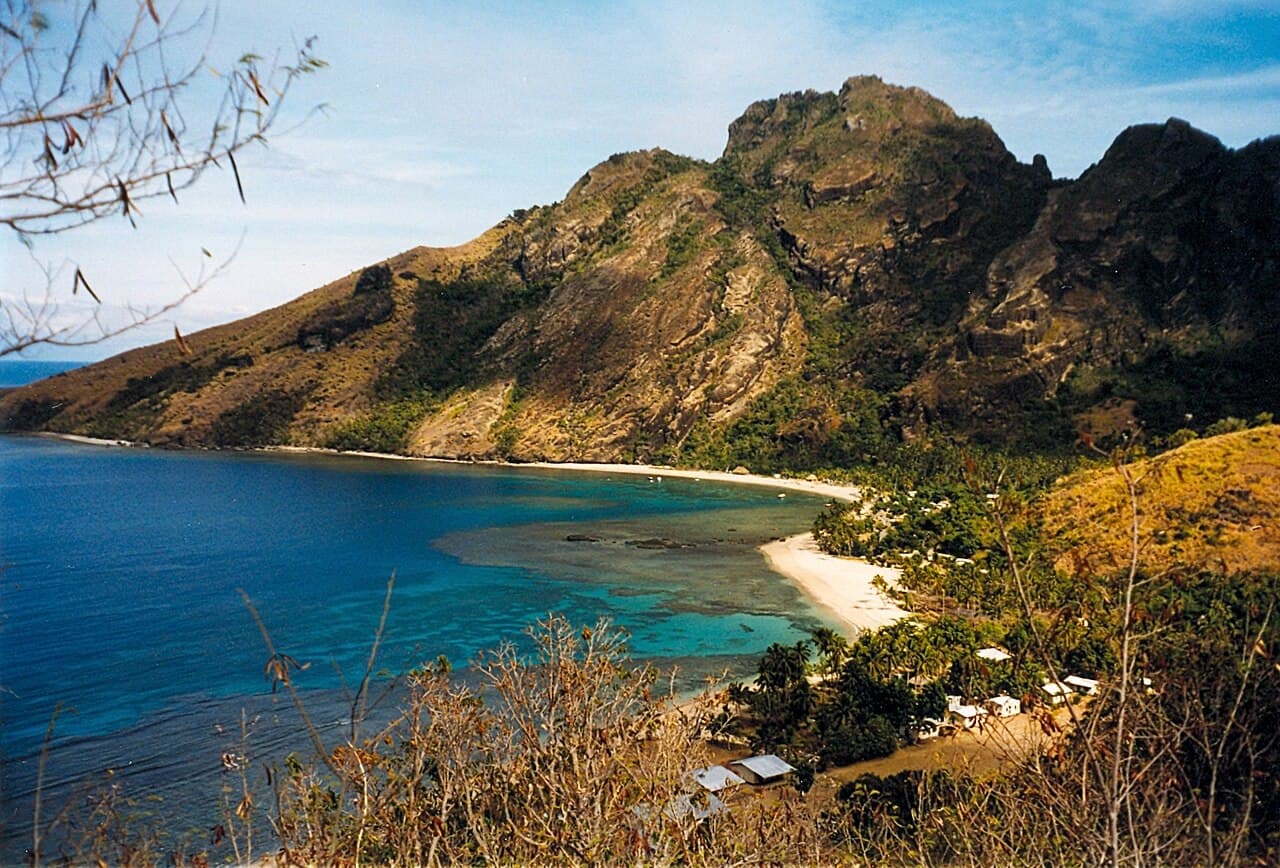
Fiji — an archipelago of 333 islands where the first "Bula, while Whitsundays — a 74-island archipelago in the Coral Sea off central Queensland. Two islands within Oceania, two very different atmospheres.
Whitsundays has a slight edge on food. Fiji has a slight edge on cultural depth. Your wallet will notice — about $200/day mid-range in Fiji versus $320/day in Whitsundays.
Both peak around the same window (May through October), so a single trip can hit each at its best.
💰 Budget
🛡️ Safety
Fiji
Fiji is generally safe for tourists within resort areas and tourist-circuit destinations. The legendary Fijian warmth is genuine and petty crime at resorts is low. The main risks are: petty theft in Nadi town (particularly at the bus station and in crowded markets), ocean hazards (strong currents, box jellyfish in wet season, coral cuts), and the cyclone risk November–April. Suva has higher crime rates than Nadi or resort areas.
Whitsundays
The Whitsundays are one of the safest destinations in Australia — small, well-policed, tourism-dependent, and with strict marine safety regulations. Violent crime essentially unknown; petty crime rare. The genuine hazards are environmental: lethal stinger jellyfish (Irukandji and box jellyfish) October–May, saltwater crocodiles in the mainland estuaries (rare in tourist areas but present), severe sun, cyclone risk November–April, and reef hazards (sharp coral, currents at outer reef sites). Australian marine standards are world-class.
🌤️ Weather
Fiji
Fiji has a tropical oceanic climate — warm and humid year-round with a distinct wet season (November–April) and dry season (May–October). The wet season brings heavy rain and cyclone risk (especially January–March); the dry season brings the reliably sunny, lower-humidity weather that most tourists seek. Temperatures are stable (26–32°C year-round) and sea temperature barely varies (26–29°C).
Whitsundays
The Whitsundays have a tropical climate with two clear seasons — the dry "winter" season (May–October) with sunny clear days, calm seas, no stingers, and reliable trade winds for sailing; and the wet "summer" season (November–April) with hot humid weather, afternoon thunderstorms, cyclone risk, and lethal stinger jellyfish in coastal waters. Sea swimming requires stinger suits in summer; the islands themselves remain open year-round.
🚇 Getting Around
Fiji
Getting around Fiji requires combining road transport (on Viti Levu), boats (to outer islands), and domestic flights (to more remote islands). Nadi is the hub for everything — road west to Port Denarau (island ferries), road east to Suva and the Coral Coast, and the domestic terminal for island flights. Taxis in Nadi should have meters (or negotiate price before entering); Bolt is not widely available outside Suva.
Walkability: Resort areas are walkable within their grounds. Nadi town is walkable from the resort strip (15 min). For anything beyond — Mamanucas, Coral Coast, Yasawas — water transport or road is required.
Whitsundays
The Whitsundays archipelago has no roads connecting the islands — everything is by boat (ferries, sailing tours, day-trip catamarans), seaplane, or helicopter. The mainland gateway is Airlie Beach on Cannonvale; the islands are accessible from Shute Harbour (mainland) or Hamilton Island's air and ferry terminal. Hamilton Island is the only island with an airport (HTI). Public transport on the mainland is minimal — most visitors use rental cars, hostel shuttles, or pre-arranged tour transfers.
Walkability: Airlie Beach mainland is walkable for the main strip and marina (3/5). Hamilton Island Marina Village is walkable; broader Hamilton uses golf buggies. The archipelago itself has no roads — public transit score 1/5 because there is no public transport between islands, only ferries and boat tours.
📅 Best Time to Visit
Fiji
May–Oct
Peak travel window
Whitsundays
May–Oct
Peak travel window
The Verdict
Choose Fiji if...
you want South Pacific island paradise — Yasawa island-hopping, Rainbow Reef diving, Mamanuca overwater resorts, kava ceremonies, and Bula! warmth
Choose Whitsundays if...
you want one of the world's top-ranked beaches (Whitehaven), the iconic Hill Inlet swirls, Heart Reef helicopter scenic flights, multi-day sailing through 74 uninhabited islands, and direct access to the Great Barrier Reef from a safe English-speaking base
Whitsundays
Frequently asked
Is Fiji or Whitsundays cheaper?
Fiji is cheaper on average. A mid-range day in Fiji costs about $200 vs $320 in Whitsundays, so Fiji saves you roughly $120 per day compared to Whitsundays.
Is Fiji or Whitsundays safer?
Whitsundays scores higher on our safety index (88/100 vs 72/100). The Whitsundays are one of the safest destinations in Australia — small, well-policed, tourism-dependent, and with strict marine safety regulations.
Which has better weather, Fiji or Whitsundays?
Whitsundays has the more temperate climate year-round. The Whitsundays have a tropical climate with two clear seasons — the dry "winter" season (May–October) with sunny clear days, calm seas, no stingers, and reliable trade winds for sailing; and the wet "summer" season (November–April) with hot humid weather, afternoon thunderstorms, cyclone risk, and lethal stinger jellyfish in coastal waters. Sea swimming requires stinger suits in summer; the islands themselves remain open year-round.
When is the best time to visit Fiji vs Whitsundays?
Fiji peaks in May–Oct. Whitsundays peaks in May–Oct. Both peak in May–Oct, so a single trip pairs them naturally.
How long is the flight from Fiji to Whitsundays?
Roughly 4h 11m on a direct flight (about 3,061 km / 1,901 mi). One-way fares typically run $250-700 depending on season and how far in advance you book.
How do daily costs in Fiji and Whitsundays compare?
In Fiji: budget ~$60-90/day, mid-range ~$150-250/day, luxury ~$500+/day. In Whitsundays: budget ~$80-150/day, mid-range ~$200-400/day, luxury ~$700-2500/day.
You might also compare
FijivsWhitsundays
Try another