Quick Verdict
Pick Bora Bora for Mt Otemanu's lagoon backdrop, over-water bungalows at the St. Regis, and reef-shark snorkels. Pick Fiji if Yasawa island-hopping, sevu-sevu kava ceremonies, and Cloud 9 floating bars suit you.
The real difference is price
These two play in different price tiers: Fiji runs roughly 200% cheaper day to day ($200 vs $600 per day mid-range). Start with your budget — everything else on this page is secondary to that gap.
Can't pick? Visit both.
Build a trip that includes Bora Bora and Fiji, with complementary stops we'll suggest.
🏆 Bora Bora wins 69 OVR vs 68 · attribute matchup 4–4
Keep exploring

Bora Bora
French Polynesia
Fiji
Fiji
Bora Bora
Fiji
How do Bora Bora and Fiji compare?
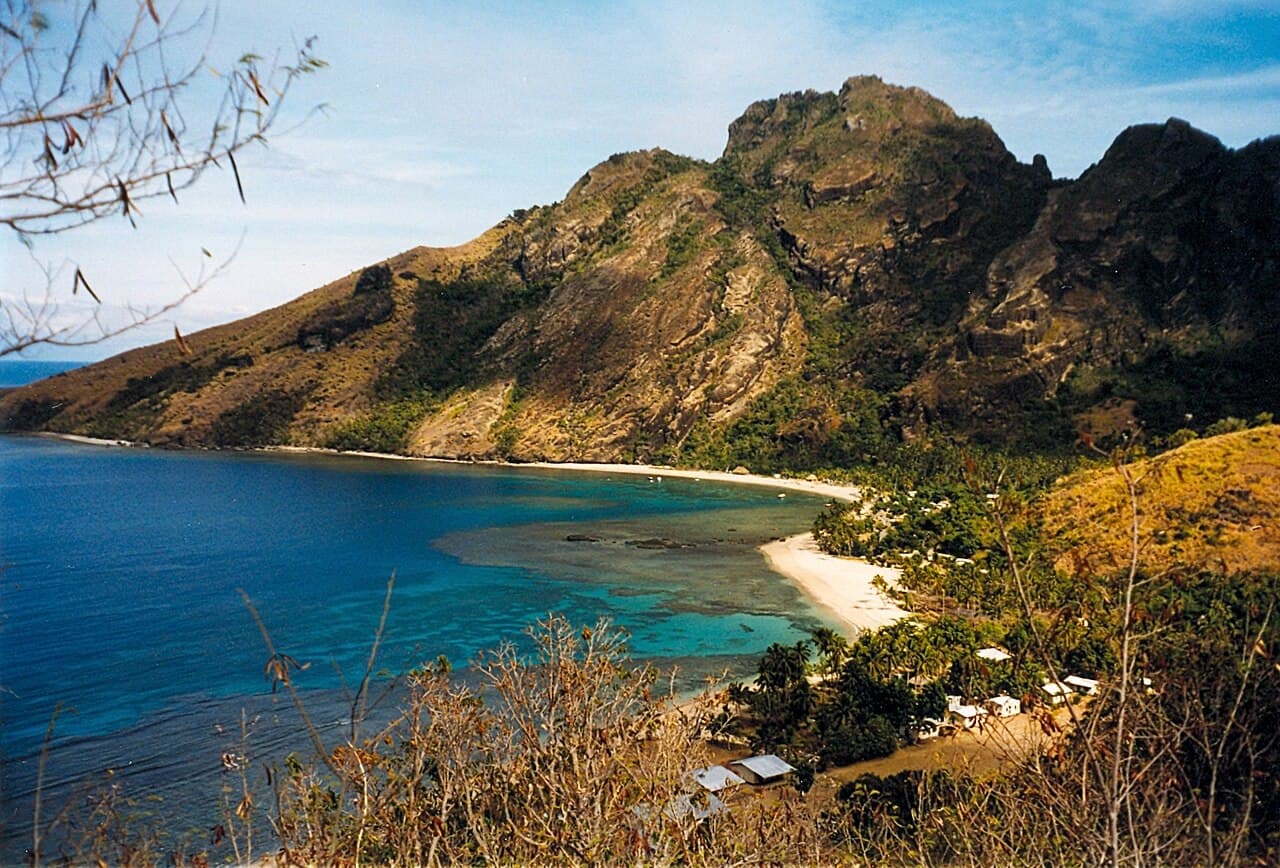
The Pacific-island honeymoon decision — the over-water-bungalow icon or the more genuine cluster of islands. Bora Bora is the South Pacific show-piece — Mount Otemanu's volcanic peak rising from a turquoise lagoon, over-water bungalows at Four Seasons or St. Regis, snorkeling with reef sharks and rays, sunset cocktails on private decks, and a one-island setup that's essentially curated for romance. Fiji is the bigger, more varied Pacific archipelago — the Mamanuca and Yasawa island chains accessible from Nadi, Cloud 9 floating bar, Castaway Island and Tokoriki, Coral Coast surf, sevu-sevu kava ceremonies in village visits, and a multi-island itinerary that feels more like real travel than a single resort stay.
Bora Bora is dramatically more expensive — $200 backpacker-floor / $500 mid / $1,500 luxe, Fiji $60 / $180 / $500. Safety in both around 80-92. Bora Bora wins on the headline visual — over-water bungalows at sunset are objectively unmatched — and on the polished resort experience. Fiji wins on price-per-dollar (a luxury Fijian resort is often half the price of a mid Bora Bora bungalow), island variety, surf, and the warmer cultural welcome (Fijian "Bula." hospitality is real, and village-stay options exist that Bora Bora simply doesn't offer).
Both peak May-October (the Pacific dry season). Avoid November-April cyclone risk in Fiji especially. Pro tip: if you're flying from North America, Fiji is dramatically more accessible — Fiji Airways and Air NZ run direct from LAX in 10 hours, while Bora Bora requires a Tahiti connection that adds half a day. In Fiji, the Yasawas (further out) are the real island experience versus the closer Mamanucas which lean resort-touristy. Pick Bora Bora for the once-in-a-lifetime over-water-bungalow honeymoon trip. Pick Fiji for two weeks of island-hopping that costs less and shows you more of the Pacific than a single resort stay can.
Combining both is harder than it looks: there are no direct flights between Bora Bora and Nadi, so most travelers pick one and commit. If you have to choose for a honeymoon, Bora Bora is the simpler script — fly LAX to Papeete, connect to the Bora atoll, settle into one over-water bungalow for 5-7 nights. Fiji rewards the trip where you actually want to move — 4 nights Yasawas with Awesome Adventures' Bula Pass, 3 nights Coral Coast for surf, dinner in a Nadi village. Couples with serious snorkel intent should weigh Fiji's Beqa Lagoon and Yasawa reefs against Bora Bora's lagoon-tour day-trips.
💰 Budget
🛡️ Safety
Bora Bora
Bora Bora is among the safest destinations in the world for travellers. Violent crime is virtually unheard of, petty theft is rare, and French gendarmes maintain order throughout the island. The real risks are environmental — strong sun, sharp coral, lagoon currents at passes, and the occasional marine hazard — rather than human.
Fiji
Fiji is generally safe for tourists within resort areas and tourist-circuit destinations. The legendary Fijian warmth is genuine and petty crime at resorts is low. The main risks are: petty theft in Nadi town (particularly at the bus station and in crowded markets), ocean hazards (strong currents, box jellyfish in wet season, coral cuts), and the cyclone risk November–April. Suva has higher crime rates than Nadi or resort areas.
🌤️ Weather
Bora Bora
Bora Bora sits 18 degrees south of the equator in the tropical South Pacific, giving it a warm, humid, low-variation climate year-round. The dry, cooler austral winter (May–October) is peak season; the wet, warm austral summer (November–April) brings occasional heavy rain and the risk of tropical cyclones, though direct hits on the Society Islands are rare.
Fiji
Fiji has a tropical oceanic climate — warm and humid year-round with a distinct wet season (November–April) and dry season (May–October). The wet season brings heavy rain and cyclone risk (especially January–March); the dry season brings the reliably sunny, lower-humidity weather that most tourists seek. Temperatures are stable (26–32°C year-round) and sea temperature barely varies (26–29°C).
🚇 Getting Around
Bora Bora
Bora Bora is a small island (roughly 10 km long and 4 km wide) with a single paved coastal road running its full 32 km circumference. There is no public bus network in the Western sense — transport is by resort shuttle boat, "Le Truck" jitneys, rental scooter or bike, taxis, or private boat transfer. All resorts on outer motus are reached exclusively by boat.
Walkability: The main island's Vaitape village and a couple of beach strips are walkable, but overall the island is too strung-out to explore entirely on foot. Most visitors stay on an outer motu resort and do not touch the main road at all; those who do are best served by a bicycle or scooter for at least a half-day.
Fiji
Getting around Fiji requires combining road transport (on Viti Levu), boats (to outer islands), and domestic flights (to more remote islands). Nadi is the hub for everything — road west to Port Denarau (island ferries), road east to Suva and the Coral Coast, and the domestic terminal for island flights. Taxis in Nadi should have meters (or negotiate price before entering); Bolt is not widely available outside Suva.
Walkability: Resort areas are walkable within their grounds. Nadi town is walkable from the resort strip (15 min). For anything beyond — Mamanucas, Coral Coast, Yasawas — water transport or road is required.
📅 Best Time to Visit
Bora Bora
May–Oct
Peak travel window
Fiji
May–Oct
Peak travel window
The Verdict
Choose Bora Bora if...
you want the overwater bungalow postcard — Mt Otemanu looming over a turquoise lagoon, reef sharks, honeymoon-grade resorts
Choose Fiji if...
you want South Pacific island paradise — Yasawa island-hopping, Rainbow Reef diving, Mamanuca overwater resorts, kava ceremonies, and Bula! warmth
Bora Bora
Frequently asked
Is Bora Bora or Fiji cheaper?
Fiji is cheaper on average. A mid-range day in Bora Bora costs about $600 vs $200 in Fiji, so Fiji saves you roughly $400 per day compared to Bora Bora.
Is Bora Bora or Fiji safer?
Bora Bora scores higher on our safety index (88/100 vs 72/100). Bora Bora is among the safest destinations in the world for travellers.
Which has better weather, Bora Bora or Fiji?
Bora Bora has the more temperate climate year-round. Bora Bora sits 18 degrees south of the equator in the tropical South Pacific, giving it a warm, humid, low-variation climate year-round. The dry, cooler austral winter (May–October) is peak season; the wet, warm austral summer (November–April) brings occasional heavy rain and the risk of tropical cyclones, though direct hits on the Society Islands are rare.
Is it easier to get by with English in Bora Bora or Fiji?
English is more widely spoken in Fiji (5/5 vs 4/5 on our scale). You'll find it easier to order food, ask for directions, and navigate transit in Fiji.
When is the best time to visit Bora Bora vs Fiji?
Bora Bora peaks in May–Oct. Fiji peaks in May–Oct. Both peak in May–Oct, so a single trip pairs them naturally.
How long is the flight from Bora Bora to Fiji?
Roughly 4h 21m on a direct flight (about 3,208 km / 1,992 mi). One-way fares typically run $250-700 depending on season and how far in advance you book.
How do daily costs in Bora Bora and Fiji compare?
In Bora Bora: budget ~$150-300/day, mid-range ~$400-800/day, luxury ~$1,500-4,000+/day. In Fiji: budget ~$60-90/day, mid-range ~$150-250/day, luxury ~$500+/day.
How many days do you need for Bora Bora vs Fiji?
Bora Bora works as a 5-7 night single-resort stay — there's nothing to drive to, the lagoon is the activity. Fiji wants 10-14 nights to do justice to the Mamanucas, Yasawas, and Coral Coast, with Nadi as the hub for inter-island ferries and Northern Air shuttles.
Is Fiji or Bora Bora better for families with kids?
Fiji wins easily for families. Resorts like Castaway Island and Plantation Island have free Bula Clubs for kids 4-12, kid-half-price meal plans, and shallow lagoons. Bora Bora's over-water bungalows are romance-coded and most ladders drop into 8-10 feet of water — fine for strong swimmers, less so for under-7s.
Can you visit both Bora Bora and Fiji on the same trip?
Technically yes via Auckland or Los Angeles connections, but the routing eats 3 travel days and pushes a single-trip budget past $15k for two. Most travelers pick one and save the other for a future Pacific trip — Fiji first if you've never been south of the equator, Bora Bora later for the milestone anniversary.
Which is better for snorkeling, Bora Bora or Fiji?
Fiji has more variety — Beqa Lagoon for shark dives, the Yasawas for reef tours, Taveuni's Rainbow Reef. Bora Bora's lagoon snorkels (manta rays at Coral Gardens, reef sharks at the lagoon edge) are concentrated and reliable but limited to a 30km lagoon footprint.
Do you need a visa for Fiji or French Polynesia?
Both are visa-free for US, UK, EU, Australian, and Canadian passports — 4 months in Fiji, 90 days for Bora Bora and the rest of French Polynesia. You'll get a stamp on arrival; just have the onward ticket and proof of accommodation handy for the immigration line.
What's the food like in Bora Bora vs Fiji?
Bora Bora is resort-locked French Polynesian — poisson cru with coconut milk, French wine, and $80-150 dinner mains since everything ferries in. Fiji has actual village kokoda (lime-cured walu), curry from the Indo-Fijian community in Nadi, and resort dinners at half the price thanks to a deeper local supply chain.
You might also compare
Bora BoravsFiji
Try another