Quick Verdict
Pick Barbados for Bathsheba mushroom rocks, west-coast Caribbean swimming, and rental-car beach-shack hopping. Pick Fiji if Mamanuca overwater resorts, Bula kava ceremonies, and Mnemba snorkeling justify the long-haul.
Can't pick? Visit both.
Build a trip that includes Barbados and Fiji, with complementary stops we'll suggest.
🏆 Barbados wins 73 OVR vs 68 · attribute matchup 7–2
Keep exploring

Barbados
Barbados
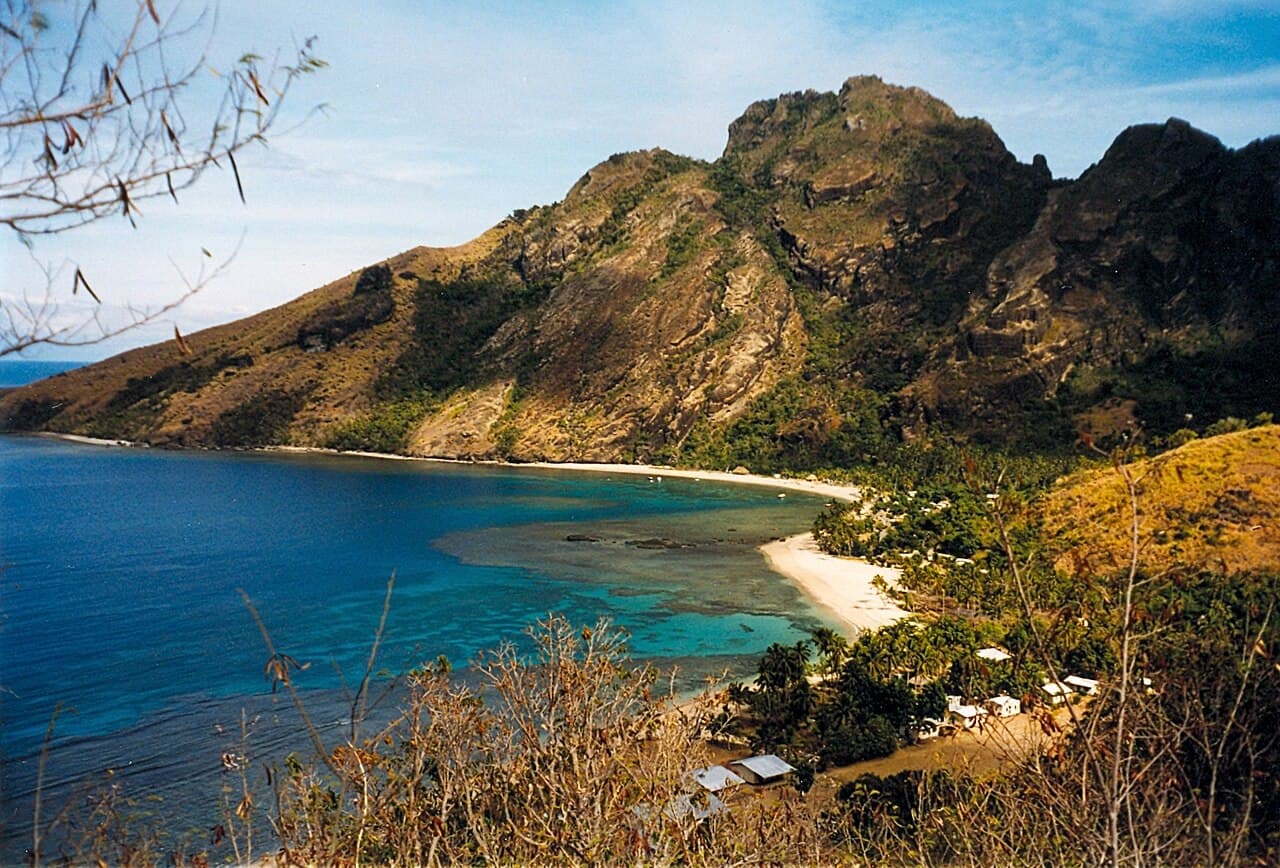
Fiji
Fiji
Barbados
Fiji
How do Barbados and Fiji compare?
The hemisphere-flip family-resort decision. Both islands sell themselves on calm water, kid-friendly hotels, and a rum-or-kava drink at sunset, but the trip around them looks completely different. Barbados is a single 21-by-14-mile island in the east Caribbean — easy to circle in a day, west coast (Holetown, Speightstown) for calm Caribbean swimming, east coast at Bathsheba for surf and the famous mushroom rocks, Bridgetown's UNESCO Garrison for history. Fiji is 333 islands spread across the South Pacific — you fly into Nadi, then transfer by boat or seaplane to the Mamanuca or Yasawa chains where the actual postcard resorts sit, with the Coral Coast as the budget mainland alternative.
Budget is roughly comparable, Fiji at $200/day mid-range vs Barbados at $220, but the structure differs. Fiji's island-resort model means you pick one resort and largely stay put — getting between islands is slow and expensive. Barbados is rental-car friendly and you can eat at a beach shack one night and a fine-dining hotel the next without a boat. Fiji edges Barbados on the warmth-of-welcome front (the Bula greeting is genuine, and the kava ceremony is worth doing once) and on the resort-pool gorgeousness scale. Barbados wins on flight access from North America and Europe — Fiji is a very long-haul commitment from anywhere except Australia and New Zealand.
Seasons are opposites: Barbados peaks December–May, Fiji is May–October. Pro tip: in Fiji, skip the Coral Coast and pay up for one of the smaller Mamanuca islands (Castaway, Malolo) — the snorkeling off the resort beach actually delivers on the brochure. Pick Fiji.
💰 Budget
🛡️ Safety
Barbados
Barbados is one of the safer Caribbean islands by every measurable index — lower violent crime rates than Jamaica, Trinidad, or the Bahamas, a stable democratic government, and a tourism industry that has been the economic backbone for decades. The most likely visitor problem is petty theft on busy beaches and minor scams around the cruise terminal, both manageable with normal precautions. The real safety calculus on the island is the road network — Bajan driving is fast, narrow, and left-hand-side, and rental car accidents are the single biggest insurance claim for visitors.
Fiji
Fiji is generally safe for tourists within resort areas and tourist-circuit destinations. The legendary Fijian warmth is genuine and petty crime at resorts is low. The main risks are: petty theft in Nadi town (particularly at the bus station and in crowded markets), ocean hazards (strong currents, box jellyfish in wet season, coral cuts), and the cyclone risk November–April. Suva has higher crime rates than Nadi or resort areas.
🌤️ Weather
Barbados
Barbados has a tropical maritime climate — daytime highs sit between 27°C and 31°C every month of the year, and nighttime lows rarely drop below 22°C. The trade winds blow steadily from the east, which keeps the leeward (west) coast in calm Caribbean water and the windward (east) coast in Atlantic surf. The single meaningful seasonal split is wet versus dry: the dry season runs December to May (peak tourism, sunny, low humidity), the wet season June to November (still warm, much higher humidity, brief afternoon downpours, and statistically a hurricane risk between August and October — though Barbados is the safest Caribbean island for storms and direct hits average less than once a decade).
Fiji
Fiji has a tropical oceanic climate — warm and humid year-round with a distinct wet season (November–April) and dry season (May–October). The wet season brings heavy rain and cyclone risk (especially January–March); the dry season brings the reliably sunny, lower-humidity weather that most tourists seek. Temperatures are stable (26–32°C year-round) and sea temperature barely varies (26–29°C).
🚇 Getting Around
Barbados
Barbados is small (34 km north-to-south, 23 km east-to-west) and you can drive any two points on the island in under 90 minutes. The road network is dense and paved but narrow and windy — locals drive fast, signage is patchy, and the British left-hand-side rule applies. Public transport is the reasonably good Transport Board buses (blue), the privately run Public Service Vehicle (PSV) minibuses (yellow with blue stripes), and shared zigzag taxis (ZRs, white with maroon stripes). Rental cars give you the most freedom but require a temporary Bajan driving permit (BBD $10, issued at the rental counter).
Walkability: Mixed. Bridgetown's historic core, Holetown's 1.5 km west-coast strip, and the south-coast Hastings-to-St Lawrence Gap boardwalk are pleasant on foot. Beyond that, distances and heat make walking-only sightseeing impractical. Plan around the bus, a rental car, or the occasional taxi.
Fiji
Getting around Fiji requires combining road transport (on Viti Levu), boats (to outer islands), and domestic flights (to more remote islands). Nadi is the hub for everything — road west to Port Denarau (island ferries), road east to Suva and the Coral Coast, and the domestic terminal for island flights. Taxis in Nadi should have meters (or negotiate price before entering); Bolt is not widely available outside Suva.
Walkability: Resort areas are walkable within their grounds. Nadi town is walkable from the resort strip (15 min). For anything beyond — Mamanucas, Coral Coast, Yasawas — water transport or road is required.
📅 Best Time to Visit
Barbados
Jan–May, Dec
Peak travel window
Fiji
May–Oct
Peak travel window
The Verdict
Choose Barbados if...
you want the easternmost Caribbean island and birthplace of rum — UNESCO Bridgetown and Garrison, Bathsheba's Atlantic surf coast, Holetown's calmer Caribbean swim coast, Mount Gay (the world's oldest distillery), and the Crop Over carnival in July–August
Choose Fiji if...
you want South Pacific island paradise — Yasawa island-hopping, Rainbow Reef diving, Mamanuca overwater resorts, kava ceremonies, and Bula! warmth
Frequently asked
Is Barbados or Fiji cheaper?
Fiji is cheaper on average. A mid-range day in Barbados costs about $230 vs $200 in Fiji, so Fiji saves you roughly $30 per day compared to Barbados.
Is Barbados or Fiji safer?
Barbados scores higher on our safety index (76/100 vs 72/100). Barbados is one of the safer Caribbean islands by every measurable index — lower violent crime rates than Jamaica, Trinidad, or the Bahamas, a stable democratic government, and a tourism industry that has been the economic backbone for decades.
Which has better weather, Barbados or Fiji?
Fiji has the more temperate climate year-round. Fiji has a tropical oceanic climate — warm and humid year-round with a distinct wet season (November–April) and dry season (May–October). The wet season brings heavy rain and cyclone risk (especially January–March); the dry season brings the reliably sunny, lower-humidity weather that most tourists seek. Temperatures are stable (26–32°C year-round) and sea temperature barely varies (26–29°C).
When is the best time to visit Barbados vs Fiji?
Barbados peaks in Jan–May, Dec. Fiji peaks in May–Oct. Both peak in May, so a single trip pairs them naturally.
How long is the flight from Barbados to Fiji?
Roughly 16h 52m on a direct flight (about 13,843 km / 8,596 mi). One-way fares typically run $700-1800 depending on season and how far in advance you book.
How do daily costs in Barbados and Fiji compare?
In Barbados: budget ~$80-120/day, mid-range ~$180-280/day, luxury ~$500+/day. In Fiji: budget ~$60-90/day, mid-range ~$150-250/day, luxury ~$500+/day.
You might also compare
BarbadosvsFiji
Try another