Quick Verdict
Pick Hakone if ryokan kaiseki, Owakudani black eggs, and Lake Ashi Fuji views trump city nightlife. Pick Sapporo if Susukino miso ramen, Snow Festival ice sculptures, and Niseko ski access beat onsen quiet.
Can't pick? Visit both.
Build a trip that includes Hakone and Sapporo, with complementary stops we'll suggest.
🏆 Sapporo wins 78 OVR vs 77 · attribute matchup 3–3
Keep exploring

Hakone
Japan
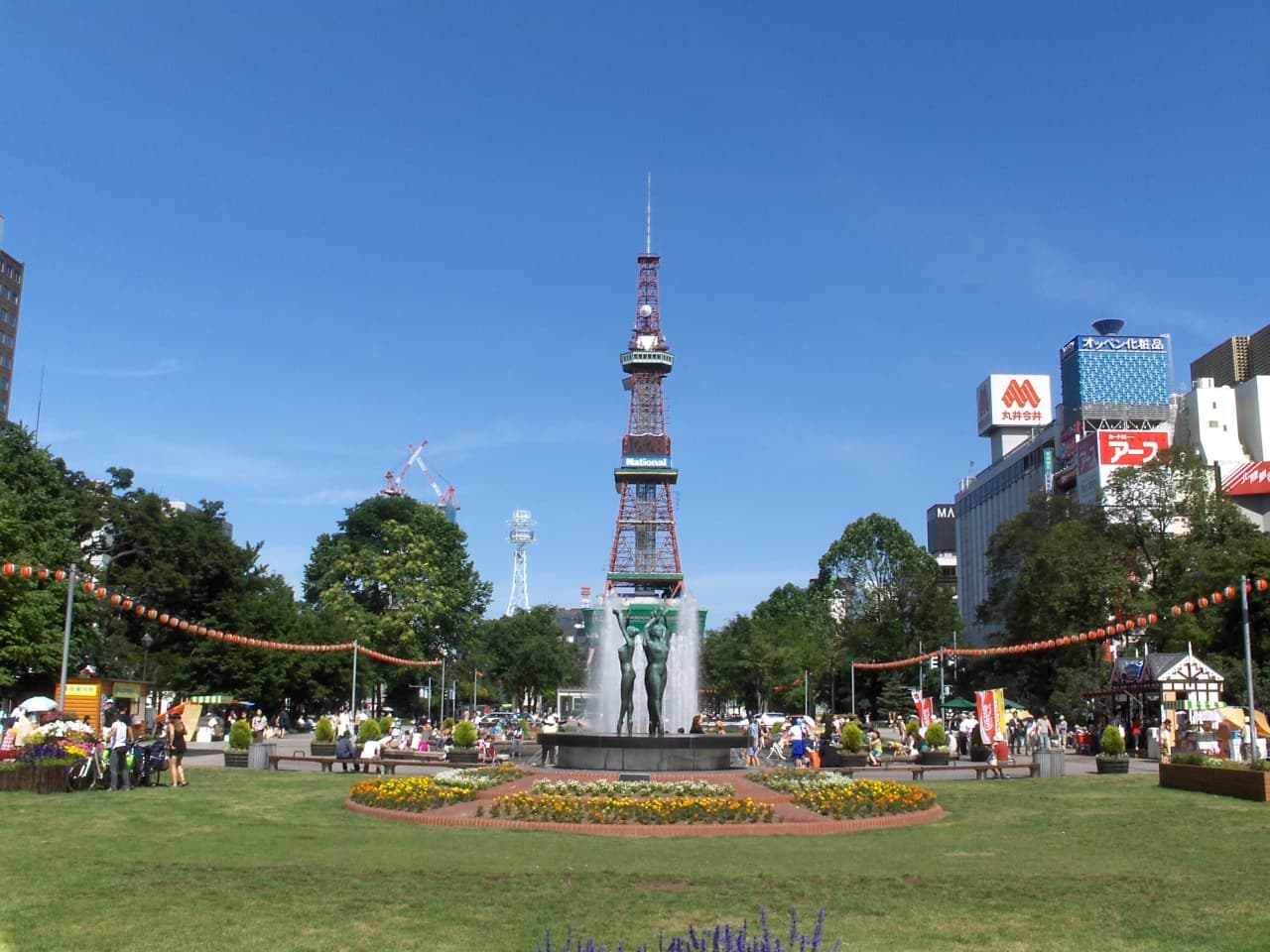
Sapporo
Japan
Hakone
Sapporo
How do Hakone and Sapporo compare?
Hakone and Sapporo bookend Japan as side-trip cities — one is a 90-minute Romance Car ride from Shinjuku, the other is a 90-minute flight from Haneda — and they're chosen for completely different appetites. Hakone is onsen-and-Fuji: ryokan dinners with 12-course kaiseki, the Open-Air Museum's Picasso pavilion, the Hakone Loop's pirate ship across Lake Ashi, and a black-egg snack at Owakudani steam vents that smells distinctly of sulfur. Sapporo is a northern food capital — Susukino's miso ramen alleys, Sapporo Beer Garden's all-you-can-grill Genghis Khan lamb, and February's Snow Festival where 200 ice sculptures fill Odori Park.
Mid-range $230 in Hakone against $200 in Sapporo, and Sapporo runs further on yen for food: a bowl of Menya Saimi miso ramen is $9, a kaiseki dinner at a Hakone ryokan is $80–120 per person built into your room rate. Hakone is intentional slowness — 1-night ryokan stays, in-room dinners, private bath sessions — while Sapporo is full city volume with 5-nightlife Susukino, Niseko skiing 2 hours west (December–March), and the Hokkaido seafood market at Nijo for uni breakfast.
Combining is easy if you're flying domestic: Tokyo–Hakone–Tokyo–Sapporo lets one Japan trip cover both ends. Book your ryokan 6 weeks out for autumn-foliage windows in November. Pick Hakone if ryokan kaiseki nights and Lake Ashi Fuji views trump city nightlife. Pick Sapporo if Susukino miso ramen and Snow Festival ice sculptures beat onsen quiet.
💰 Budget
🛡️ Safety
Hakone
Hakone is among the safest travel destinations in the world. Japan's exceptionally low crime rates apply fully here — petty theft, scams, and harassment are vanishingly rare. The primary safety considerations are natural rather than human: volcanic gas at Owakudani can cause periodic closures, earthquakes are a background reality, and the mountain weather can change rapidly. Visitors with tattoos should be aware that most public baths prohibit them, though private in-room baths (kashikiri) are widely available.
Sapporo
Sapporo is one of the safest large cities in the world — Japan's overall low crime rate combined with Hokkaido's especially community-oriented culture. Violent crime is rare; pickpockets exist in Susukino on weekend nights but are uncommon. The genuine concerns for visitors are environmental (extreme winter cold, slippery icy sidewalks) and the touts in Susukino aggressively pulling tourists into overpriced "international" bars. Solo female travellers report Sapporo as one of the most comfortable cities in Asia.
🌤️ Weather
Hakone
Hakone has a mountain temperate climate, noticeably cooler and wetter than Tokyo year-round due to its elevation (500-700 m in most resort areas). Summers are pleasantly mild compared to the city's oppressive heat. Winters bring occasional snow and the clearest Mount Fuji views. Autumn foliage (koyo) in November is spectacular. Rainfall is relatively high due to orographic lift from Pacific weather systems — a clear day for Fuji views is genuinely special and not guaranteed.
Sapporo
Sapporo has a humid continental climate — long, cold, snowy winters (December–March, regular -10°C lows, ~6 m of seasonal snowfall in the city) and pleasantly warm summers (June–August, 20–28°C with low humidity vs. mainland Japan). Spring and autumn are short but spectacular. Sapporo gets the most snow of any major city of its size in the world (~6 m/year) — the city's underground passageways were built to keep walking commerce alive in deep winter.
🚇 Getting Around
Hakone
The Hakone Free Pass is the essential tool for getting around. A 2-day pass (¥6,100 from Shinjuku including Odakyu round-trip) or 3-day pass (¥6,500) covers virtually all transport within Hakone: the Tozan railway, Tozan cable car, Hakone Ropeway gondola, sightseeing ships on Lake Ashi, and Tozan bus routes. Most visitors plan their itinerary around the classic loop: Hakone-Yumoto → Gora by Tozan train → Sounzan by cable car → Togendai by ropeway → Moto-Hakone by pirate ship → back by bus.
Walkability: Within individual resort towns like Hakone-Yumoto, Gora, and Moto-Hakone, walking is easy and pleasant. The distances between the main attractions of the circuit require the pass-covered transport. The old Tokaido road between Moto-Hakone and Hakone-machi is a beautiful 8 km forest walk along the original Edo-period highway.
Sapporo
Sapporo has one of Japan's smaller urban-rail networks — three subway lines, a single tram line, and the JR rail network covering Hokkaido. The grid layout makes navigation simple: streets are numbered (north/south) and sectorised (east/west). Most central tourist sights are within a 30-min walk of Odori subway. Heated underground walkways link downtown buildings, allowing winter walking commerce. Niseko and Otaru day trips are easy by JR train or highway bus.
Walkability: Sapporo's downtown grid is excellent for walking — central Sapporo Station to Susukino is 20 min on foot via the underground walkway. The block sizes and numbered streets make navigation simple. Winter walking is feasible if you have appropriate ice grippers; the 520-m underground Chikaho walkway provides indoor through-traffic during the heaviest snow.
📅 Best Time to Visit
Hakone
Apr–May, Oct–Nov
Peak travel window
Sapporo
Feb, May–Aug, Oct
Peak travel window
The Verdict
Choose Hakone if...
you want Tokyo's onsen escape — ryokan + kaiseki nights, Mt. Fuji views from Lake Ashi, Owakudani black eggs, and the Hakone Free Pass loop
Choose Sapporo if...
you want northern Japan’s biggest city with the world’s greatest snow festival, world-class miso ramen at the source, Niseko ski access, and a cool dry escape from mainland Japan’s humid summer
Sapporo
Frequently asked
Is Hakone or Sapporo cheaper?
Sapporo is cheaper on average. A mid-range day in Hakone costs about $230 vs $200 in Sapporo, so Sapporo saves you roughly $30 per day compared to Hakone.
Is Hakone or Sapporo safer?
Hakone and Sapporo score equally on our safety index (92/100). Specific risks differ by neighborhood — check the Safety section on each guide.
Which has better weather, Hakone or Sapporo?
Hakone has the more temperate climate year-round. Hakone has a mountain temperate climate, noticeably cooler and wetter than Tokyo year-round due to its elevation (500-700 m in most resort areas). Summers are pleasantly mild compared to the city's oppressive heat. Winters bring occasional snow and the clearest Mount Fuji views. Autumn foliage (koyo) in November is spectacular. Rainfall is relatively high due to orographic lift from Pacific weather systems — a clear day for Fuji views is genuinely special and not guaranteed.
When is the best time to visit Hakone vs Sapporo?
Hakone peaks in Apr–May, Oct–Nov. Sapporo peaks in Feb, May–Aug, Oct. Both peak in May, Oct, so a single trip pairs them naturally.
How long is the flight from Hakone to Sapporo?
Roughly 1h 38m on a direct flight (about 892 km / 554 mi). One-way fares typically run $120-350 depending on season and how far in advance you book.
How do daily costs in Hakone and Sapporo compare?
In Hakone: budget ~$80-120/day, mid-range ~$180-280/day, luxury ~$400+/day. In Sapporo: budget ~$60-110/day, mid-range ~$130-280/day, luxury ~$400-1500/day.
You might also compare
HakonevsSapporo
Try another