Quick Verdict
Pick Barbados for Mount Gay rum since 1703, Friday fish fry at Oistins, and Bathsheba mushroom rocks where local surfers actually live. Pick Tulum if Mayan cliff ruins above the Caribbean, Dos Ojos cenotes, and Hartwood-and-Habitas jungle dinners outweigh safety concerns.
The real difference is price
These two play in different price tiers: Tulum runs roughly 53% cheaper day to day ($150 vs $230 per day mid-range). Start with your budget — everything else on this page is secondary to that gap.
Can't pick? Visit both.
Build a trip that includes Barbados and Tulum, with complementary stops we'll suggest.
🏆 Barbados wins 73 OVR vs 67 · attribute matchup 5–2
Keep exploring

Barbados
Barbados
Tulum
Mexico
Barbados
Tulum
How do Barbados and Tulum compare?
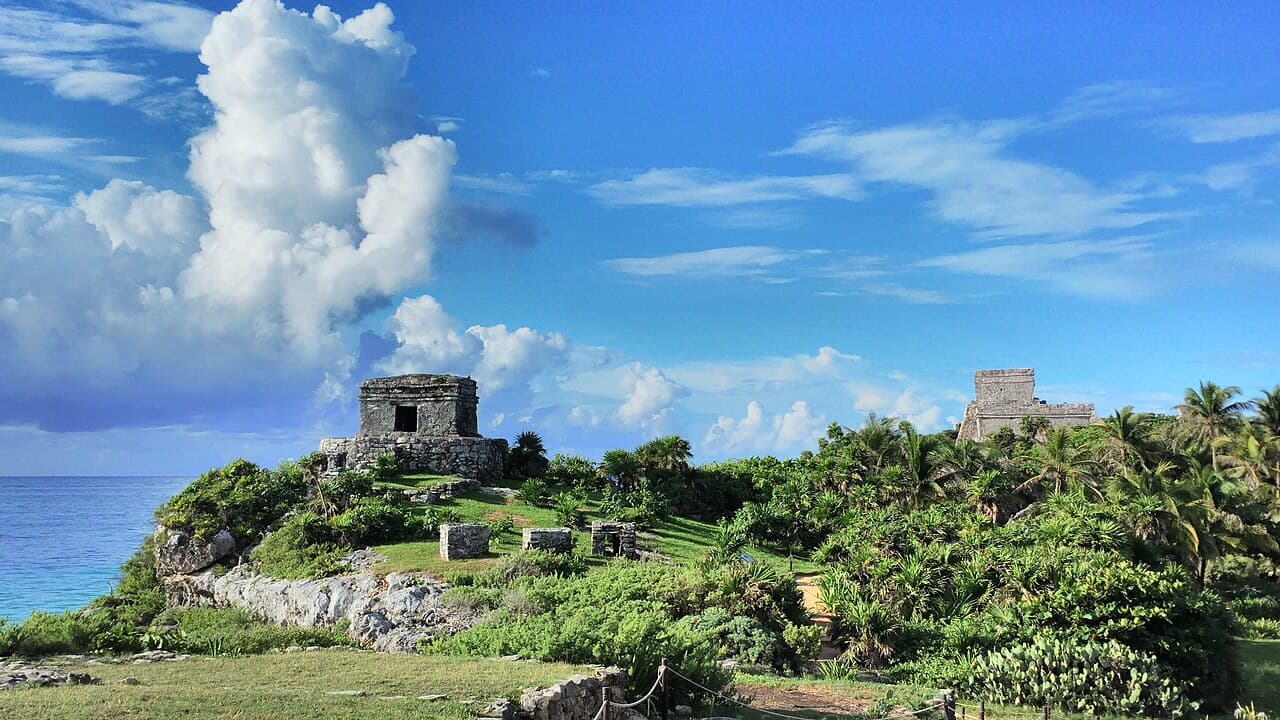
The boho-versus-classic Caribbean choice. Barbados is the polished east-Caribbean island with depth — UNESCO Bridgetown and the Garrison historic area, calm west-coast swimming at Holetown and Speightstown, the wave-battered mushroom rocks at Bathsheba where local surfers actually live, Mount Gay Rum from 1703, and a fish fry at Oistins on Friday nights. Tulum is the Yucatán beach-and-jungle scene that Instagram built — Mayan ruins perched on a cliff above the Caribbean, cenotes like Dos Ojos and Gran Cenote a short drive inland, palapa beach clubs at Papaya Playa and Habitas, and a hotel zone of jungle-boutique properties that all blur together after a while.
Tulum is meaningfully cheaper at $180/day vs $220, but the gap has narrowed sharply as Tulum's beach road has become one of the most overpriced stretches in Mexico — beach club day passes hit $100 before you've ordered. Barbados delivers more for the spend: a real island you can drive around, a working culture (Crop Over carnival in July–August, cricket on Saturdays, flying fish on every menu), and noticeably better safety at 76 vs Tulum at 58. Tulum's safety story has gotten worse the past few years, and the cartel-adjacent incidents on the beach road are real enough that the US embassy posts about them.
Both peak December–April. Pro tip: if Tulum, stay in town rather than the beach zone — rates drop by half, you can bike to the ruins and cenotes, and the food (try Hartwood if you can get a table, Burrito Amor for breakfast) is better away from the beach clubs. If you want a real Caribbean island that takes itself seriously, pick Barbados.
💰 Budget
🛡️ Safety
Barbados
Barbados is one of the safer Caribbean islands by every measurable index — lower violent crime rates than Jamaica, Trinidad, or the Bahamas, a stable democratic government, and a tourism industry that has been the economic backbone for decades. The most likely visitor problem is petty theft on busy beaches and minor scams around the cruise terminal, both manageable with normal precautions. The real safety calculus on the island is the road network — Bajan driving is fast, narrow, and left-hand-side, and rental car accidents are the single biggest insurance claim for visitors.
Tulum
Tulum is generally safe for tourists in designated areas but requires more vigilance than its boho-paradise image suggests. Between 2021 and 2023, cartel-related violence affected the Riviera Maya region, including incidents in and near Tulum — including a beach club shooting in 2021 that injured foreign tourists. The situation has stabilized but the underlying risk remains. Petty crime, ATM skimming, and drug-related pressure are the most common traveler concerns. Stick to tourist zones, use official or app-based transport, and avoid isolated beaches at night.
🌤️ Weather
Barbados
Barbados has a tropical maritime climate — daytime highs sit between 27°C and 31°C every month of the year, and nighttime lows rarely drop below 22°C. The trade winds blow steadily from the east, which keeps the leeward (west) coast in calm Caribbean water and the windward (east) coast in Atlantic surf. The single meaningful seasonal split is wet versus dry: the dry season runs December to May (peak tourism, sunny, low humidity), the wet season June to November (still warm, much higher humidity, brief afternoon downpours, and statistically a hurricane risk between August and October — though Barbados is the safest Caribbean island for storms and direct hits average less than once a decade).
Tulum
Tulum has a tropical wet-dry climate. Temperatures are warm year-round, ranging from 22°C at night in winter to 34°C on summer afternoons. The dry season (November through April) is peak tourist season with low humidity, calm seas, and almost no rain. The wet season (June through November) brings daily afternoon thunderstorms, higher humidity, hurricane risk, and the annual sargassum seaweed invasion. April through September see the heaviest seaweed on beaches.
🚇 Getting Around
Barbados
Barbados is small (34 km north-to-south, 23 km east-to-west) and you can drive any two points on the island in under 90 minutes. The road network is dense and paved but narrow and windy — locals drive fast, signage is patchy, and the British left-hand-side rule applies. Public transport is the reasonably good Transport Board buses (blue), the privately run Public Service Vehicle (PSV) minibuses (yellow with blue stripes), and shared zigzag taxis (ZRs, white with maroon stripes). Rental cars give you the most freedom but require a temporary Bajan driving permit (BBD $10, issued at the rental counter).
Walkability: Mixed. Bridgetown's historic core, Holetown's 1.5 km west-coast strip, and the south-coast Hastings-to-St Lawrence Gap boardwalk are pleasant on foot. Beyond that, distances and heat make walking-only sightseeing impractical. Plan around the bus, a rental car, or the occasional taxi.
Tulum
Tulum has no unified public transport system and navigating between its two zones is one of the main practical frustrations of a visit. The Zona Hotelera beach road is 8-10 km long with no bus service — getting around requires taxis, bicycles, scooters, or rental cars. In Tulum Pueblo, colectivos (shared vans) connect efficiently to Playa del Carmen, Cobá, and other destinations. The Maya Train added a new option for intercity travel but its Tulum station is several kilometers from both zones.
Walkability: Tulum Pueblo is walkable within its compact grid — the main strip (Avenida Tulum) has restaurants, shops, and services within a few blocks. The Zona Hotelera is emphatically not walkable at 8-10 km long with no sidewalks for much of its length. Between the two zones (5 km) is a bikeable but long walk. A bicycle or scooter is essential for any real exploration.
📅 Best Time to Visit
Barbados
Jan–May, Dec
Peak travel window
Tulum
Jan–Apr, Nov–Dec
Peak travel window
The Verdict
Choose Barbados if...
you want the easternmost Caribbean island and birthplace of rum — UNESCO Bridgetown and Garrison, Bathsheba's Atlantic surf coast, Holetown's calmer Caribbean swim coast, Mount Gay (the world's oldest distillery), and the Crop Over carnival in July–August
Choose Tulum if...
you want Mayan cliff ruins above turquoise Caribbean, cenote diving, and a boho-chic beach scene (with eye-watering hotel-zone prices)
Barbados
Frequently asked
Is Barbados or Tulum cheaper?
Tulum is cheaper on average. A mid-range day in Barbados costs about $230 vs $150 in Tulum, so Tulum saves you roughly $80 per day compared to Barbados.
Is Barbados or Tulum safer?
Barbados scores higher on our safety index (76/100 vs 58/100). Barbados is one of the safer Caribbean islands by every measurable index — lower violent crime rates than Jamaica, Trinidad, or the Bahamas, a stable democratic government, and a tourism industry that has been the economic backbone for decades.
Which has better weather, Barbados or Tulum?
Tulum has the more temperate climate year-round. Tulum has a tropical wet-dry climate. Temperatures are warm year-round, ranging from 22°C at night in winter to 34°C on summer afternoons. The dry season (November through April) is peak tourist season with low humidity, calm seas, and almost no rain. The wet season (June through November) brings daily afternoon thunderstorms, higher humidity, hurricane risk, and the annual sargassum seaweed invasion. April through September see the heaviest seaweed on beaches.
Is it easier to get by with English in Barbados or Tulum?
English is more widely spoken in Barbados (5/5 vs 4/5 on our scale). You'll find it easier to order food, ask for directions, and navigate transit in Barbados.
When is the best time to visit Barbados vs Tulum?
Barbados peaks in Jan–May, Dec. Tulum peaks in Jan–Apr, Nov–Dec. Both peak in Jan–Apr, Dec, so a single trip pairs them naturally.
How long is the flight from Barbados to Tulum?
Roughly 4h 12m on a direct flight (about 3,070 km / 1,906 mi). One-way fares typically run $250-700 depending on season and how far in advance you book.
How do daily costs in Barbados and Tulum compare?
In Barbados: budget ~$80-120/day, mid-range ~$180-280/day, luxury ~$500+/day. In Tulum: budget ~$35-55/day, mid-range ~$100-200/day, luxury ~$400-1,500+/day.
You might also compare
BarbadosvsTulum
Try another