Quick Verdict
Pick Fiji for Bula greetings at Nadi, Mamanuca speedboat hops, and Rainbow Reef snorkels off your overwater dock. Pick Sydney if Opera House light, Bondi-to-Coogee spray, and Spice Alley dim sum at AU$140/day suit you.
Clear winner on the data
Sydney leads in walkability, public transit, safety, food scene, nightlife, and cleanliness. On the numbers alone, this one isn't close.
Can't pick? Visit both.
Build a trip that includes Fiji and Sydney, with complementary stops we'll suggest.
🏆 Sydney wins 77 OVR vs 68 · attribute matchup 1–8
Keep exploring
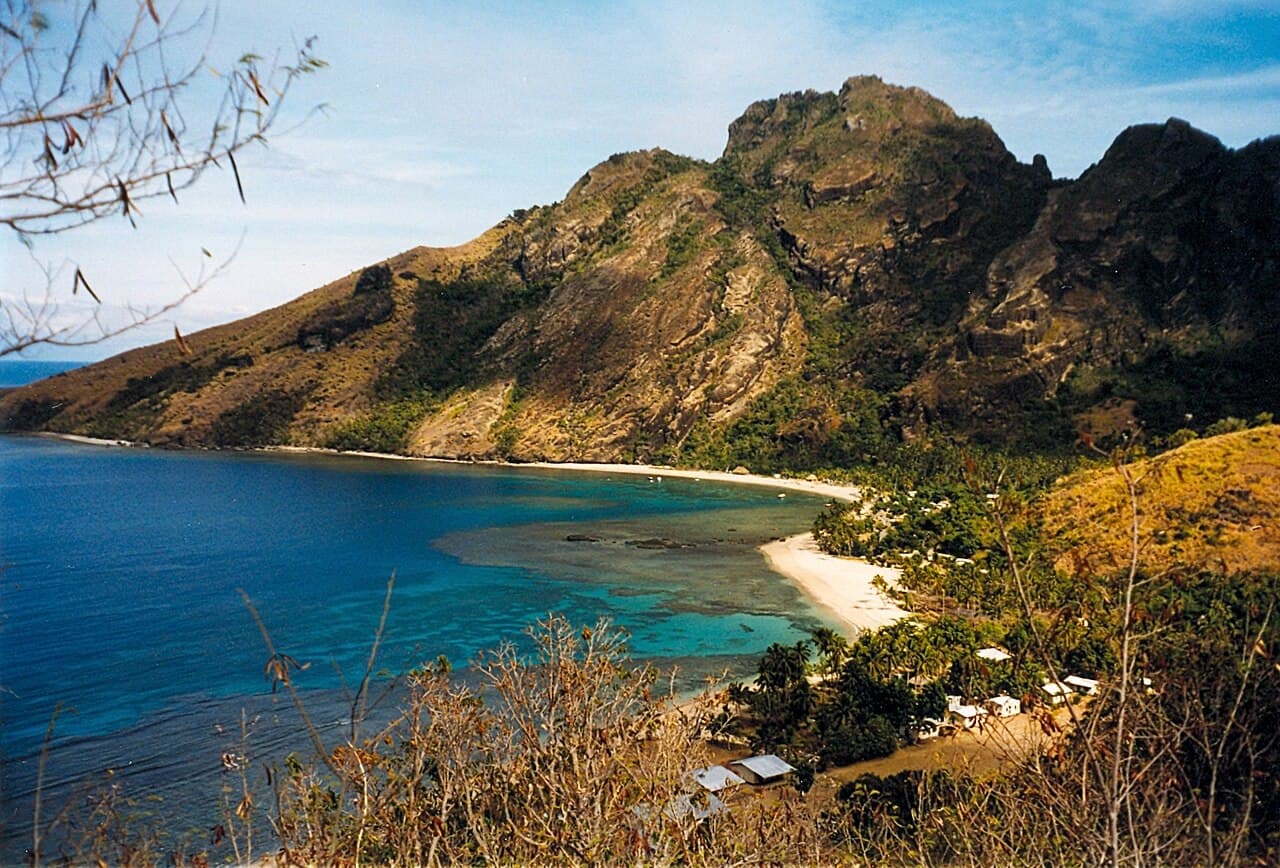
Fiji
Fiji

Sydney
Australia
Fiji
Sydney
How do Fiji and Sydney compare?
You are flying to the South Pacific from North America or Europe and the question becomes whether to add a Fiji week before or after Sydney, or skip one entirely. Sydney is harbor sophistication — Opera House catching afternoon light, Bondi to Coogee coastal walk with sea spray on the cliff path, and dim sum carts rattling through Chinatown at noon. Fiji is the slow exhale — the first Bula greeting at Nadi airport hits like a warm wave, the speedboat to a Mamanuca island runs 30 minutes from the marina, and overwater bungalows put the Pacific directly under your feet.
Sydney sits at AU$140 a day mid-range — surprisingly reasonable if you stay in Newtown or Surry Hills and eat at the food courts in Spice Alley. Fiji runs FJ$450 (around AU$200) and the resort economics dominate: even mid-range Mamanuca properties charge full board because there is nowhere else to eat. Sydney wins on food, culture, transit, and feeling safe at any hour walking home through the Rocks. Fiji wins on ocean, reef snorkeling that rivals anywhere on Earth, Fijian hospitality that is genuinely unforced, and a true switch-off where wifi is patchy by design.
The Sydney to Nadi flight is 3 hours 45 minutes direct on Fiji Airways or Qantas, around AU$700 round-trip with two months of lead time. Fiji peaks May through October — dry season, calm seas, and 26-degree water. Sydney peaks October through April but sits in a comfortable shoulder year-round. Pro tip: do Sydney first and Fiji last — going from urban pace to island slowness is the right direction, and the come-down off island time is brutal if you reverse it. Pick Sydney for an active urban week. Pick Fiji for the genuine reset.
💰 Budget
🛡️ Safety
Fiji
Fiji is generally safe for tourists within resort areas and tourist-circuit destinations. The legendary Fijian warmth is genuine and petty crime at resorts is low. The main risks are: petty theft in Nadi town (particularly at the bus station and in crowded markets), ocean hazards (strong currents, box jellyfish in wet season, coral cuts), and the cyclone risk November–April. Suva has higher crime rates than Nadi or resort areas.
Sydney
Sydney is one of the safest major cities in the world. Violent crime is rare, and the biggest risks for tourists are sunburn, rip currents at beaches, and occasional petty theft. The city is well-policed and generally welcoming to visitors.
🌤️ Weather
Fiji
Fiji has a tropical oceanic climate — warm and humid year-round with a distinct wet season (November–April) and dry season (May–October). The wet season brings heavy rain and cyclone risk (especially January–March); the dry season brings the reliably sunny, lower-humidity weather that most tourists seek. Temperatures are stable (26–32°C year-round) and sea temperature barely varies (26–29°C).
Sydney
Sydney has a temperate oceanic climate with warm summers and mild winters. The city gets around 340 sunny days per year. Rain is spread throughout the year but summer thunderstorms can be dramatic. Remember: seasons are reversed — December through February is summer.
🚇 Getting Around
Fiji
Getting around Fiji requires combining road transport (on Viti Levu), boats (to outer islands), and domestic flights (to more remote islands). Nadi is the hub for everything — road west to Port Denarau (island ferries), road east to Suva and the Coral Coast, and the domestic terminal for island flights. Taxis in Nadi should have meters (or negotiate price before entering); Bolt is not widely available outside Suva.
Walkability: Resort areas are walkable within their grounds. Nadi town is walkable from the resort strip (15 min). For anything beyond — Mamanucas, Coral Coast, Yasawas — water transport or road is required.
Sydney
Sydney has an integrated public transit system using the Opal card (contactless, tap-on/tap-off) for trains, buses, ferries, and light rail. The system is reliable but distances are vast. Opal offers daily, weekly, and Sunday caps on fares. Credit/debit card tap also works on all Opal readers.
Walkability: The CBD, Circular Quay, The Rocks, and Darling Harbour are all easily walkable. The Bondi to Coogee coastal walk (6 km) is a must-do. Sydney's layout beyond the center is spread out and hilly, making transit necessary for longer distances. The harbor foreshore walk from the Opera House through the Botanic Gardens is spectacular.
📅 Best Time to Visit
Fiji
May–Oct
Peak travel window
Sydney
Jan–Mar, Oct–Dec
Peak travel window
The Verdict
Choose Fiji if...
you want South Pacific island paradise — Yasawa island-hopping, Rainbow Reef diving, Mamanuca overwater resorts, kava ceremonies, and Bula! warmth
Choose Sydney if...
you want iconic harbor views, world-famous beaches, incredible coastal walks, and a laid-back outdoor lifestyle
Frequently asked
Is Fiji or Sydney cheaper?
Fiji and Sydney come in at roughly the same mid-range daily cost (~$200 per day), so budget alone is not a deciding factor.
Is Fiji or Sydney safer?
Sydney scores higher on our safety index (82/100 vs 72/100). Sydney is one of the safest major cities in the world.
Which has better weather, Fiji or Sydney?
Fiji has the more temperate climate year-round. Fiji has a tropical oceanic climate — warm and humid year-round with a distinct wet season (November–April) and dry season (May–October). The wet season brings heavy rain and cyclone risk (especially January–March); the dry season brings the reliably sunny, lower-humidity weather that most tourists seek. Temperatures are stable (26–32°C year-round) and sea temperature barely varies (26–29°C).
When is the best time to visit Fiji vs Sydney?
Fiji peaks in May–Oct. Sydney peaks in Jan–Mar, Oct–Dec. Both peak in Oct, so a single trip pairs them naturally.
How long is the flight from Fiji to Sydney?
Roughly 4h 22m on a direct flight (about 3,217 km / 1,998 mi). One-way fares typically run $250-700 depending on season and how far in advance you book.
How do daily costs in Fiji and Sydney compare?
In Fiji: budget ~$60-90/day, mid-range ~$150-250/day, luxury ~$500+/day. In Sydney: budget ~$60-90/day, mid-range ~$150-250/day, luxury ~$400+/day.
You might also compare
FijivsSydney
Try another