Quick Verdict
Pick Fiji for Yasawa Flyer reefs, kava ceremony beaches, and overwater-bungalow canoe breakfasts. Pick Melbourne if Degraves Street flat whites, MCG roar, and Great Ocean Road day trips appeal more.
Clear winner on the data
Melbourne leads in walkability, public transit, food scene, nightlife, daily cost, safety, cultural sites, and cleanliness — but Fiji still takes nature access. If nature access iswhat your trip hinges on, the scoreboard doesn't matter.
Can't pick? Visit both.
Build a trip that includes Fiji and Melbourne, with complementary stops we'll suggest.
🏆 Melbourne wins 81 OVR vs 68 · attribute matchup 1–9
Keep exploring
Fiji
Fiji

Melbourne
Australia
Fiji
Melbourne
How do Fiji and Melbourne compare?
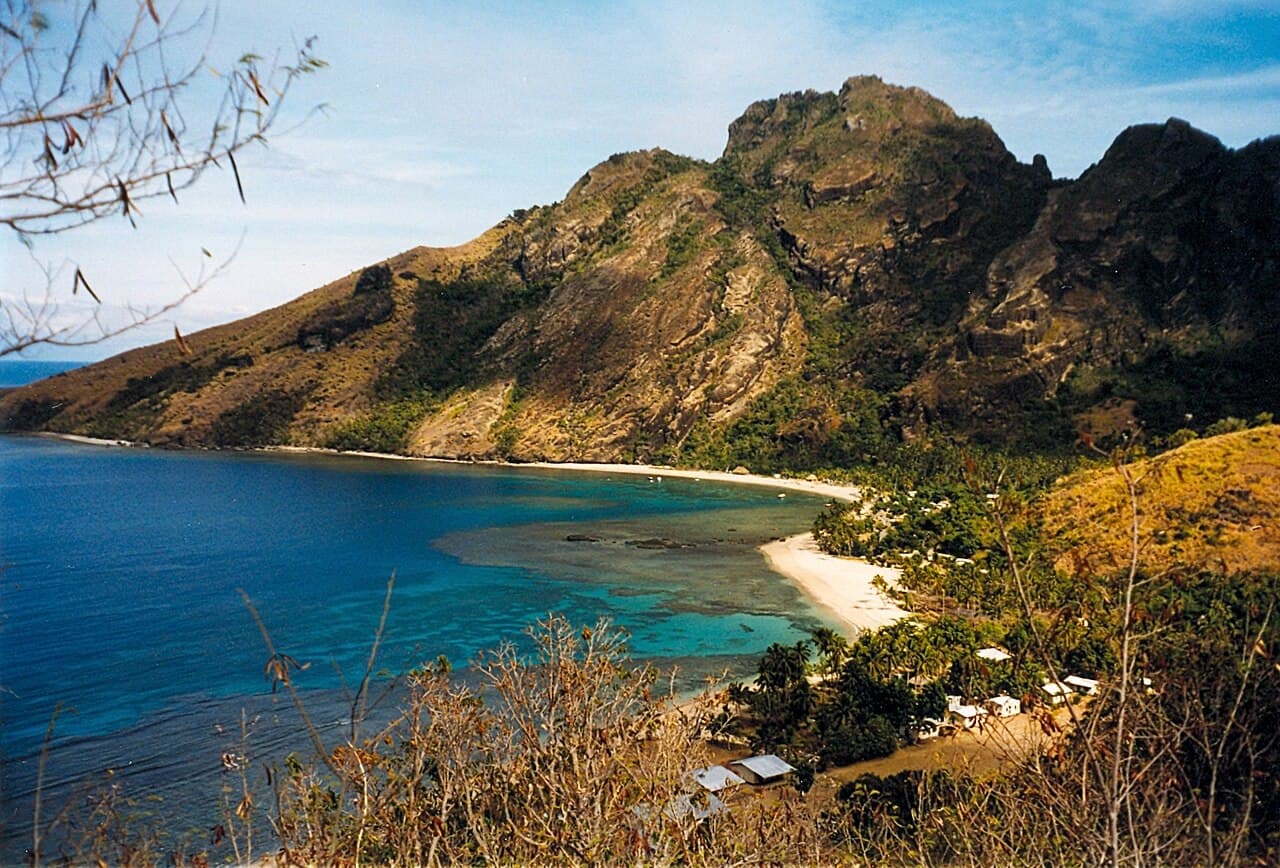
Two weeks of Pacific time on the calendar and the call is whether Melbourne's coffee and laneways earn the slot or whether you commit fully to Fiji. Melbourne is urban sophistication — flat whites in Degraves Street, AFL roar from the MCG echoing through Fitzroy on game days, Vietnamese in Richmond at 11 PM, and the Great Ocean Road day-trip to the Twelve Apostles. Fiji is the polar opposite — Bula greetings at the airport, kava ceremonies on the beach, manta rays at Drawaqa Passage in the Yasawas, and an overwater bungalow where breakfast arrives by canoe.
Melbourne runs around AU$160 a day mid-range with one of the world's deepest food scenes for the price. Fiji is FJ$450 (around AU$200) with the resort all-inclusive model dominating since most island stays bundle meals. Melbourne wins on food density, coffee culture, museums, and the Yarra Valley wine day trip. Fiji wins on reef, beach, ocean snorkeling that rivals the Maldives at half the price, and a wifi-thin disconnect that genuinely resets your nervous system. Both feel safe; Fiji's cleanliness is resort-driven so it varies more outside the main properties.
Melbourne to Nadi is 5 hours 15 minutes direct on Fiji Airways or Qantas, around AU$800 round-trip booked two months out. Fiji's dry season runs May through October with calm seas; Melbourne peaks October through April for warm cafe-terrace evenings. Pro tip: in Fiji, skip the Mamanucas (closer, busier, more crowded) and take the 4-hour Yasawa Flyer catamaran to the northern Yasawas — the snorkeling is dramatically better and the resorts are smaller. Pick Melbourne for a food-and-culture city week. Pick Fiji for ocean immersion and a true unplug.
💰 Budget
🛡️ Safety
Fiji
Fiji is generally safe for tourists within resort areas and tourist-circuit destinations. The legendary Fijian warmth is genuine and petty crime at resorts is low. The main risks are: petty theft in Nadi town (particularly at the bus station and in crowded markets), ocean hazards (strong currents, box jellyfish in wet season, coral cuts), and the cyclone risk November–April. Suva has higher crime rates than Nadi or resort areas.
Melbourne
Melbourne is a very safe city for travelers. Violent crime is rare in tourist areas. The main concerns are petty theft in crowded places, bicycle theft, and occasional antisocial behavior late at night around nightlife districts. Standard city precautions apply.
🌤️ Weather
Fiji
Fiji has a tropical oceanic climate — warm and humid year-round with a distinct wet season (November–April) and dry season (May–October). The wet season brings heavy rain and cyclone risk (especially January–March); the dry season brings the reliably sunny, lower-humidity weather that most tourists seek. Temperatures are stable (26–32°C year-round) and sea temperature barely varies (26–29°C).
Melbourne
Melbourne's weather is famously changeable. The city sits at the meeting point of hot inland air from the north and cool Southern Ocean air. This produces rapid weather shifts — a 35°C day can drop to 18°C when a cool change sweeps through. Layers are essential year-round.
🚇 Getting Around
Fiji
Getting around Fiji requires combining road transport (on Viti Levu), boats (to outer islands), and domestic flights (to more remote islands). Nadi is the hub for everything — road west to Port Denarau (island ferries), road east to Suva and the Coral Coast, and the domestic terminal for island flights. Taxis in Nadi should have meters (or negotiate price before entering); Bolt is not widely available outside Suva.
Walkability: Resort areas are walkable within their grounds. Nadi town is walkable from the resort strip (15 min). For anything beyond — Mamanucas, Coral Coast, Yasawas — water transport or road is required.
Melbourne
Melbourne has an extensive public transport network of trains, trams (the largest tram network in the world), and buses, all using the Myki smartcard. The free tram zone covers the CBD and Docklands. Driving in the CBD is complicated by hook turns.
Walkability: The CBD is very walkable and compact. The Hoddle Grid (the original city blocks) is flat and pedestrian-friendly. Walking along the Yarra River from Southbank to the Botanic Gardens is excellent. Inner suburbs like Fitzroy, Carlton, and South Yarra are pleasant to walk between.
📅 Best Time to Visit
Fiji
May–Oct
Peak travel window
Melbourne
Mar–Apr, Oct–Nov
Peak travel window
The Verdict
Choose Fiji if...
you want South Pacific island paradise — Yasawa island-hopping, Rainbow Reef diving, Mamanuca overwater resorts, kava ceremonies, and Bula! warmth
Choose Melbourne if...
you want Australia's cultural capital — laneway coffee, Melbourne Cricket Ground, AFL, Great Ocean Road drive, and street art on Hosier Lane
Melbourne
Frequently asked
Is Fiji or Melbourne cheaper?
Melbourne is cheaper on average. A mid-range day in Fiji costs about $200 vs $160 in Melbourne, so Melbourne saves you roughly $40 per day compared to Fiji.
Is Fiji or Melbourne safer?
Melbourne scores higher on our safety index (82/100 vs 72/100). Melbourne is a very safe city for travelers.
Which has better weather, Fiji or Melbourne?
Fiji has the more temperate climate year-round. Fiji has a tropical oceanic climate — warm and humid year-round with a distinct wet season (November–April) and dry season (May–October). The wet season brings heavy rain and cyclone risk (especially January–March); the dry season brings the reliably sunny, lower-humidity weather that most tourists seek. Temperatures are stable (26–32°C year-round) and sea temperature barely varies (26–29°C).
When is the best time to visit Fiji vs Melbourne?
Fiji peaks in May–Oct. Melbourne peaks in Mar–Apr, Oct–Nov. Both peak in Oct, so a single trip pairs them naturally.
How long is the flight from Fiji to Melbourne?
Roughly 5h 11m on a direct flight (about 3,916 km / 2,432 mi). One-way fares typically run $250-700 depending on season and how far in advance you book.
How do daily costs in Fiji and Melbourne compare?
In Fiji: budget ~$60-90/day, mid-range ~$150-250/day, luxury ~$500+/day. In Melbourne: budget ~$50-80/day, mid-range ~$120-200/day, luxury ~$300+/day.
You might also compare
FijivsMelbourne
Try another