Quick Verdict
Pick Fiji for Yasawa Flyer catamaran hops, kava ceremony claps, and Bula warmth across 333 islands. Pick Tahiti if Pointe Venus black sand, Teahupo'o reef, and Musee Gauguin set against rainforest fit better.
The real difference is price
These two play in different price tiers: Fiji runs roughly 40% cheaper day to day ($200 vs $280 per day mid-range). Start with your budget — everything else on this page is secondary to that gap.
Can't pick? Visit both.
Build a trip that includes Fiji and Tahiti, with complementary stops we'll suggest.
🏆 Tahiti wins 73 OVR vs 68 · attribute matchup 2–5
Keep exploring
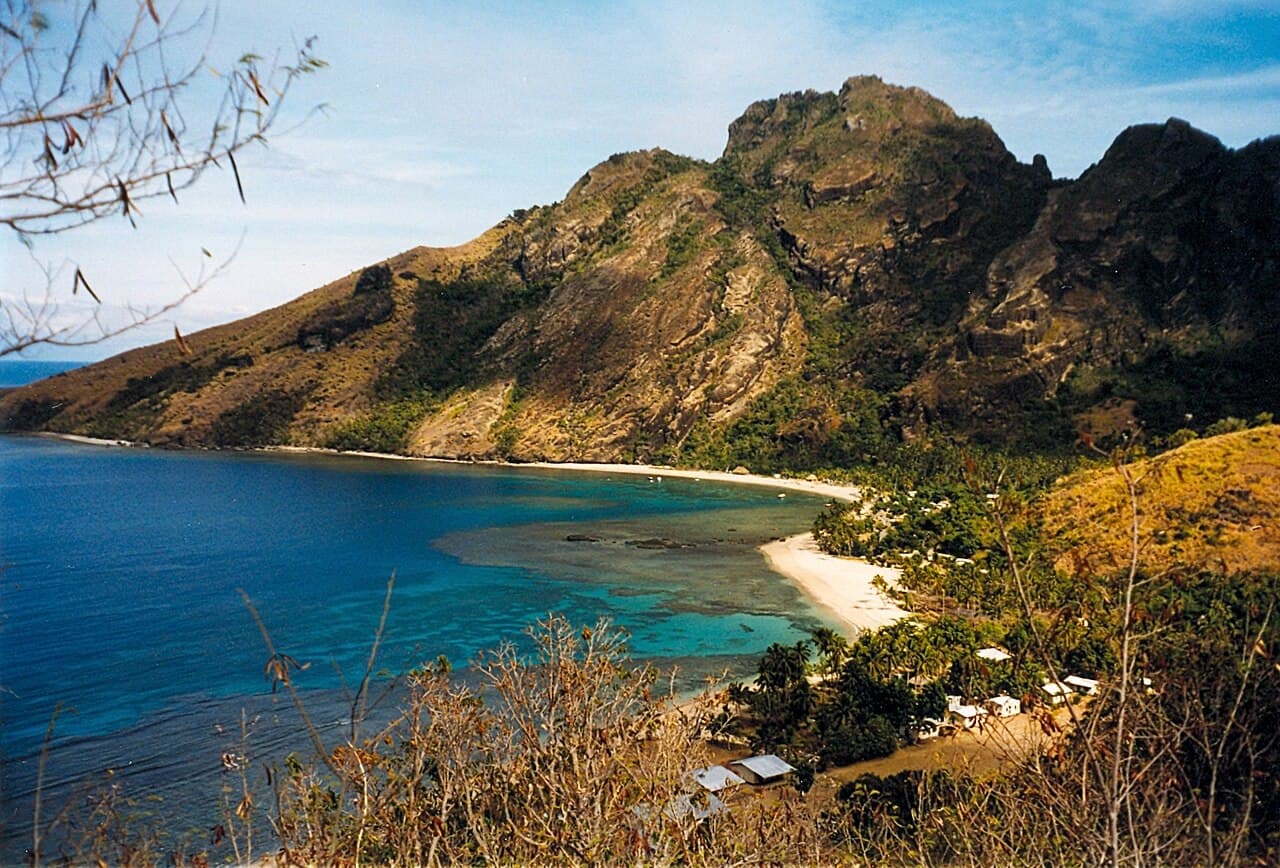
Fiji
Fiji

Tahiti
French Polynesia
Fiji
Tahiti
How do Fiji and Tahiti compare?
Two Pacific archipelagos, two very different vibes — you're choosing between Fijian warmth and Polynesian polish. Fiji is the friendlier-budget, family-oriented option — 333 islands, the Yasawa and Mamanuca chains reachable by catamaran, the Coral Coast reefs along Viti Levu's south shore, the Bula greeting that hits you the second you land, and kava ceremonies in village longhouses where you sit cross-legged and clap three times. Tahiti is the cultural Polynesian gateway — Papeete's Marché, Pointe Vénus's black sand, the Teahupo'o reef, and Musée Gauguin, with the seaplane network out to Bora Bora and Moorea waiting.
Your budget will breathe in Fiji — about $200/day mid-range versus $280/day in Tahiti, and that gap widens fast at the resort tier. Fiji wins on island-hopping variety, kid-friendly resorts, snorkeling reefs at every turn, and the legendary Fijian hospitality; the Bula greeting isn't a marketing slogan, it's how the country actually operates. Tahiti wins on cultural sophistication, French food and wine, easier inter-island flights, and lagoon clarity. Safety tilts to Tahiti at 88 versus Fiji's 72 — Fiji is generally safe but Suva has petty crime, and Nadi taxis need negotiating.
Both run the same May–October dry season, so timing isn't the deciding factor. Pick by travel style — Fiji rewards a week of island-hopping by Awesome Adventures catamaran, Tahiti rewards a culture-plus-lagoon combo with a side trip to Moorea. Pro tip: in Fiji, skip the resort transfers and book the Yasawa Flyer ferry — you'll see twelve islands in one day for a fraction of the seaplane cost, and the deck bar is half the fun. Pick Fiji for the budget headroom and warmth; pick Tahiti for the Polynesian cultural anchor.
💰 Budget
🛡️ Safety
Fiji
Fiji is generally safe for tourists within resort areas and tourist-circuit destinations. The legendary Fijian warmth is genuine and petty crime at resorts is low. The main risks are: petty theft in Nadi town (particularly at the bus station and in crowded markets), ocean hazards (strong currents, box jellyfish in wet season, coral cuts), and the cyclone risk November–April. Suva has higher crime rates than Nadi or resort areas.
Tahiti
French Polynesia is generally safe by international standards — French gendarmerie policing, low violent-crime rates, and a calm island culture. Petty theft from rental cars and unattended beach bags is the most common visitor complaint, especially in the busier Papeete area. The bigger safety issues are environmental: the ocean (currents at the reef passes, strong waves on south-coast Tahiti Iti, Teahupo'o is genuinely lethal to non-experts), tropical diseases (dengue fever has periodic outbreaks; Zika has occurred), and the cyclone season November to April. Tap water in central Papeete and the Faaa airport area is not always reliable — use bottled water or check at your accommodation.
🌤️ Weather
Fiji
Fiji has a tropical oceanic climate — warm and humid year-round with a distinct wet season (November–April) and dry season (May–October). The wet season brings heavy rain and cyclone risk (especially January–March); the dry season brings the reliably sunny, lower-humidity weather that most tourists seek. Temperatures are stable (26–32°C year-round) and sea temperature barely varies (26–29°C).
Tahiti
Tahiti is tropical and humid, with a remarkably stable temperature averaging 26°C year-round. What changes is the rain. The wet season runs November to April with high humidity (80%+), sudden heavy showers, and a real if statistically modest cyclone risk (the 2010 Cyclone Oli hit the island directly; most years pass without a serious system). The dry season runs May to October with lower humidity, slightly cooler temperatures (especially at night, 18–20°C), and far more reliable sunshine. This is when most Westerners book. The lagoon water temperature stays 26–28°C year-round; the surf swell on Teahupo'o's south coast is biggest May–October.
🚇 Getting Around
Fiji
Getting around Fiji requires combining road transport (on Viti Levu), boats (to outer islands), and domestic flights (to more remote islands). Nadi is the hub for everything — road west to Port Denarau (island ferries), road east to Suva and the Coral Coast, and the domestic terminal for island flights. Taxis in Nadi should have meters (or negotiate price before entering); Bolt is not widely available outside Suva.
Walkability: Resort areas are walkable within their grounds. Nadi town is walkable from the resort strip (15 min). For anything beyond — Mamanucas, Coral Coast, Yasawas — water transport or road is required.
Tahiti
Tahiti has no metro, no light rail, and a deeply limited public bus system. The realistic ways to get around are: rental car (the standard choice for any visit longer than two days), taxi (expensive), ride-hailing apps (limited but growing), and walking-plus-bus (only viable if you stay central in Papeete). The 117 km coastal ring road (la route de ceinture) circles all of Tahiti Nui plus the Tahiti Iti peninsula loop and is the structuring spine of any independent visit. For inter-island travel, the Aremiti ferry to Moorea (35 minutes) and Air Tahiti flights to the other islands are the only options.
Walkability: Central Papeete is walkable end-to-end in 30 minutes — the Marché, the cathedral, the cruise port, Place Vai'ete, and Boulevard Pomare are all within a compact tourist zone. Outside this, walking is unrealistic — the ring road has no continuous pavement, the highlights are spread across 117 km, and the heat plus traffic makes anything over 1 km uncomfortable. Plan to drive (or be driven) for everything beyond central Papeete.
📅 Best Time to Visit
Fiji
May–Oct
Peak travel window
Tahiti
May–Oct
Peak travel window
The Verdict
Choose Fiji if...
you want South Pacific island paradise — Yasawa island-hopping, Rainbow Reef diving, Mamanuca overwater resorts, kava ceremonies, and Bula! warmth
Choose Tahiti if...
you want the international gateway and main island of French Polynesia — Papeete's Marché, Pointe Vénus, the Musée Gauguin, Teahupo'o's 2024 Olympic surf reef, and your jumping-off point for Bora Bora, Moorea and the Tuamotus
Frequently asked
Is Fiji or Tahiti cheaper?
Fiji is cheaper on average. A mid-range day in Fiji costs about $200 vs $280 in Tahiti, so Fiji saves you roughly $80 per day compared to Tahiti.
Is Fiji or Tahiti safer?
Tahiti scores higher on our safety index (82/100 vs 72/100). French Polynesia is generally safe by international standards — French gendarmerie policing, low violent-crime rates, and a calm island culture.
Is it easier to get by with English in Fiji or Tahiti?
English is more widely spoken in Fiji (5/5 vs 4/5 on our scale). You'll find it easier to order food, ask for directions, and navigate transit in Fiji.
When is the best time to visit Fiji vs Tahiti?
Fiji peaks in May–Oct. Tahiti peaks in May–Oct. Both peak in May–Oct, so a single trip pairs them naturally.
How long is the flight from Fiji to Tahiti?
Roughly 4h 38m on a direct flight (about 3,441 km / 2,137 mi). One-way fares typically run $250-700 depending on season and how far in advance you book.
How do daily costs in Fiji and Tahiti compare?
In Fiji: budget ~$60-90/day, mid-range ~$150-250/day, luxury ~$500+/day. In Tahiti: budget ~$110-150/day, mid-range ~$240-320/day, luxury ~$650+/day.
You might also compare
FijivsTahiti
Try another