Quick Verdict
Pick Foz do Iguaçu for 275-cascade panoramas, the Devil's Throat catwalk, and triple-frontier crossings. Pick Paraty if pé-de-moleque cobblestones, schooner days among 65 islands, and cachaça distilleries fit better.
The real difference is price
These two play in different price tiers: Foz do Iguaçu runs roughly 44% cheaper day to day ($90 vs $130 per day mid-range). Start with your budget — everything else on this page is secondary to that gap.
Can't pick? Visit both.
Build a trip that includes Foz do Iguaçu and Paraty, with complementary stops we'll suggest.
🏆 Paraty wins 72 OVR vs 67 · attribute matchup 2–4
Keep exploring
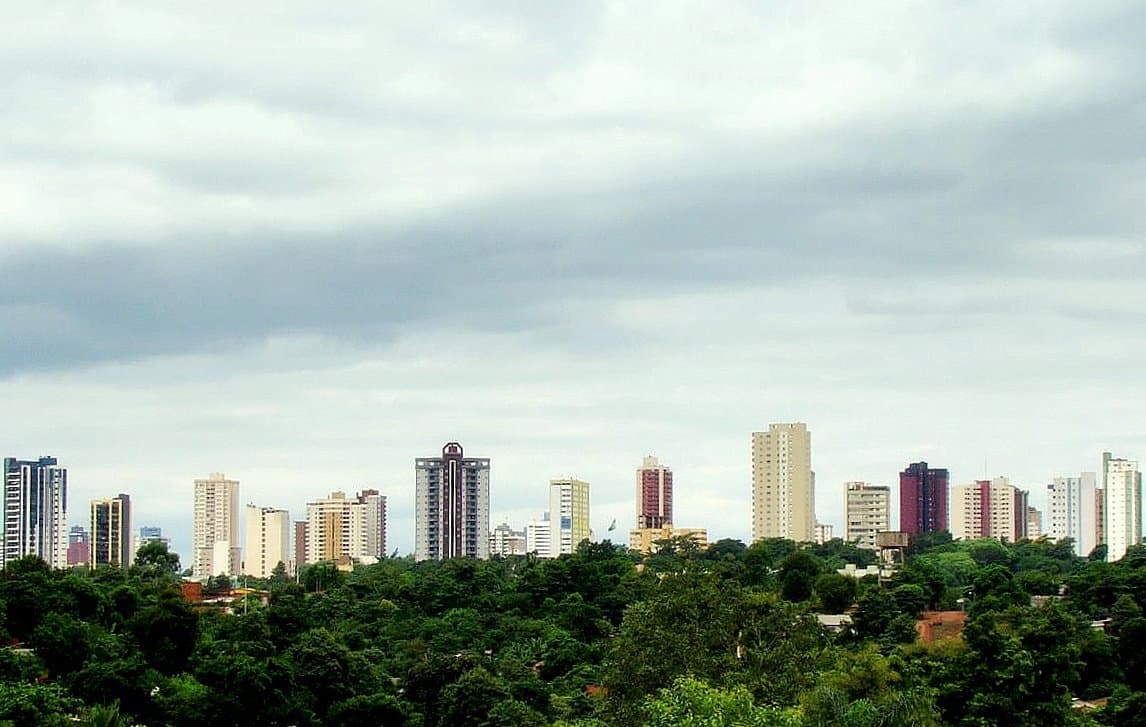
Foz do Iguaçu
Brazil
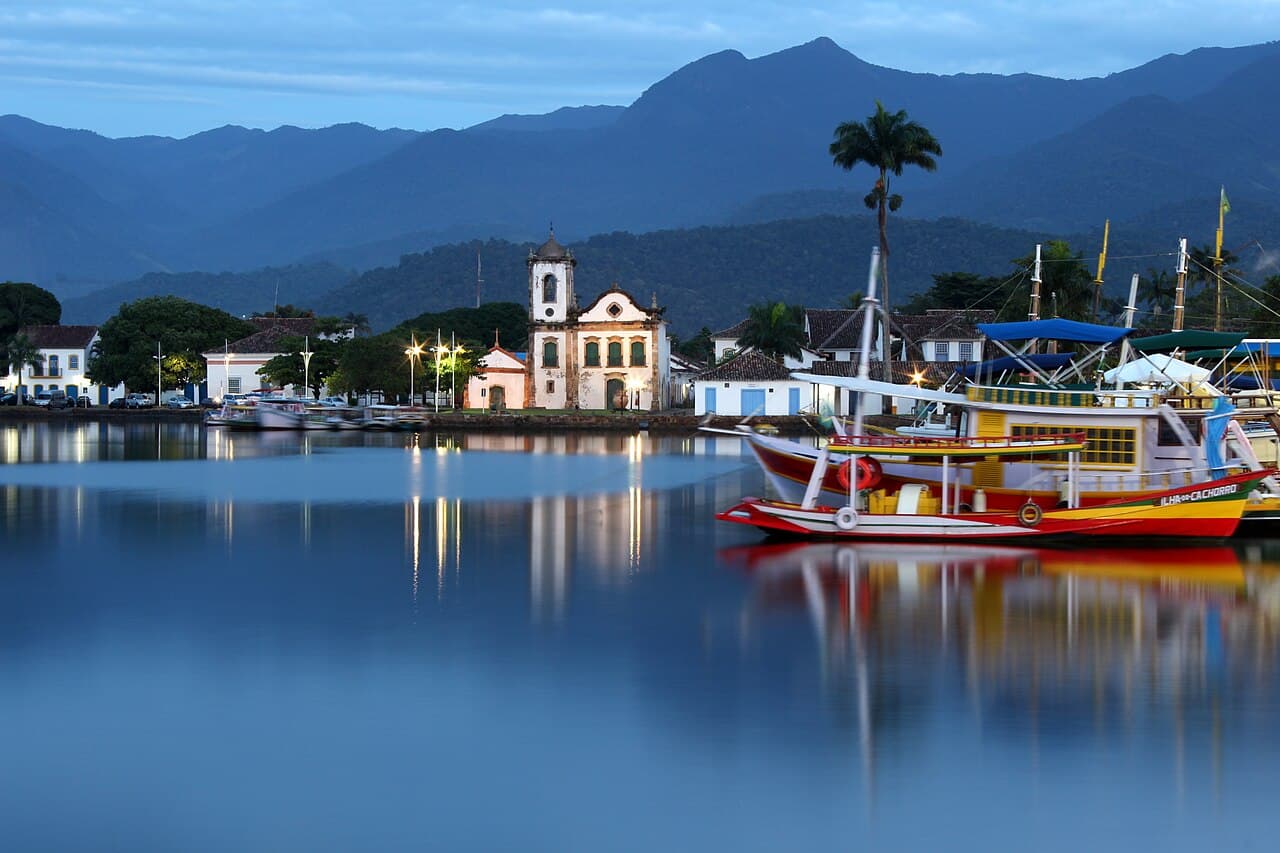
Paraty
Brazil
Foz do Iguaçu
Paraty
How do Foz do Iguaçu and Paraty compare?
Both are Brazilian destinations south of the Rio-São Paulo axis, but they're in completely different categories. Foz do Iguaçu is the 260,000-person waterfall city at the triple frontier with Argentina and Paraguay — the Brazilian-side panoramic view, the Itaipu Dam, the Parque das Aves bird park, and easy day-tripping into Puerto Iguazú. Paraty is the 40,000-person UNESCO colonial port town on the Costa Verde between São Paulo and Rio — whitewashed houses, painted shutters, pé-de-moleque cobblestones that flood deliberately at high tide, the schooner harbour, and 30+ cachaça distilleries in the Bocaina valleys.
Pairing them requires flying through São Paulo. Foz to São Paulo is 90 min on Gol/LATAM ($80–$140 round-trip), then São Paulo to Paraty is a 5-hour bus on Reunidas Paulista (R$80) or 4-hour drive. Foz runs $45 budget / $90 midrange; Paraty is $60 / $130. The two ask completely different things from a traveler: Foz is a 2–3 day visual blitz of the falls plus the dam, while Paraty wants 3–4 nights of walking colonial streets, a schooner day among 65 islands (R$80), waterfall hikes in the Atlantic Forest, and slow cachaça tastings at Engenho d'Ouro.
Pro tip: in Paraty, the high-tide flooding of the historic centre happens twice daily — locals call it the 'autoclismo' (self-flushing) — and it's worth timing a sunset walk for that hour when the colonial facades reflect in the rising water. The schooner trips leaving from the marina daily at 11:00 hit Lagoa Azul, Praia Vermelha, and Ilha Comprida for snorkeling at R$80. Pick Foz do Iguaçu if the 275-cascade panorama, the Devil's Throat catwalk, and triple-frontier day trips define the visit. Pick Paraty if cobblestone walks, a schooner day among 65 islands, and cachaça tastings at colonial-era distilleries are the reason.
💰 Budget
🛡️ Safety
Foz do Iguaçu
Foz is safer than its border-city reputation suggests — the historic perception was shaped by Ciudad del Este (Paraguay) cross-border crime, not Foz itself. Tourist areas (the Cataratas avenue resort strip, Avenida das Cataratas, the national park) are heavily policed and largely trouble-free. Downtown Foz can feel sketchy at night; petty theft and phone snatching are the main concerns. Stay alert at the Friendship Bridge and in Ciudad del Este, and you'll likely have no issues.
Paraty
Paraty is one of the safest tourist towns in Brazil — small, low-population, heavily dependent on tourism, and the historic centre is essentially a pedestrian zone with constant foot traffic. Violent crime is rare; petty theft is occasional; the main physical risks are the slippery cobblestones (sprained ankles are common), heatstroke on the trail, and rip currents on certain beaches.
🌤️ Weather
Foz do Iguaçu
Foz has a humid subtropical climate — hot, humid summers (Dec-Mar) with afternoon thunderstorms; mild, drier winters (Jun-Aug) with comfortable temperatures and the occasional cold front. The falls run year-round but at very different volumes. Dry-season volume (May-Sep) gives you crisp views of the cataracts and clear catwalks; wet-season volume (Dec-Mar) is overwhelming spray, occasional partial closures of catwalks, and the Devil's Throat sometimes invisible behind its own mist.
Paraty
Paraty has a humid tropical climate moderated by the Atlantic — warm, wet summers (Dec-Mar) with frequent thunderstorms; mild, drier winters (Jun-Aug) that are the optimal travel window. The Serra do Mar wrings rain out of the prevailing wind year-round, so Paraty is consistently one of the wettest places in southeast Brazil — annual rainfall ~2,300 mm. Boat trips and forest hikes both require dry-ish weather, so the dry season is double-counted as the best time to visit.
🚇 Getting Around
Foz do Iguaçu
Foz is a small city — distances are short but spread out across a low-density urban grid. The tourist areas (the Cataratas Avenue resort strip and the national park) are 8-12 km from downtown, and walking between them is impractical. Uber and 99 work well throughout Foz and to the Argentine border; both are cheaper than taxis. There's a basic public bus system (Linha 120 connects downtown to the falls) but most foreign visitors stick to ride-shares or organised tours.
Walkability: Foz itself is not very walkable — distances are large and most attractions are spread along the Cataratas Avenue or in suburban areas. Within the national parks (both sides) walking is the main mode and the catwalks are flat and accessible. Downtown Foz around Avenida Brasil is walkable for restaurant-hopping during the day.
Paraty
Paraty is small and the historic centre is pedestrian-only — within town you walk everywhere. For day trips, the Costa Verde Transportes local bus runs to Trindade, the Penha valley waterfalls, and along the BR-101 to Angra dos Reis. Taxis and Uber (working but limited driver pool) cover the gaps. A rental car is convenient for the inland waterfalls and cachaça distilleries but unnecessary in town.
Walkability: Paraty's historic centre is one of the most walkable in Brazil — entirely car-free, six blocks across, surrounded by the harbour and river. Walking from one end of the centre to the other takes 10 minutes. Cobblestones are challenging; comfortable shoes essential.
📅 Best Time to Visit
Foz do Iguaçu
Apr–Sep
Peak travel window
Paraty
Apr–Sep
Peak travel window
The Verdict
Choose Foz do Iguaçu if...
You want the panoramic, postcard view of Iguazu Falls plus the Itaipu Dam, the world's largest bird park, and easy day-tripping into Argentina and Paraguay from a single base.
Choose Paraty if...
You want a UNESCO colonial town that does double duty as a beach base — a perfectly walkable historic centre, a schooner-launching harbour, and Atlantic Forest hikes within 20 minutes of your guesthouse.
Foz do Iguaçu
Frequently asked
Is Foz do Iguaçu or Paraty cheaper?
Foz do Iguaçu is cheaper on average. A mid-range day in Foz do Iguaçu costs about $90 vs $130 in Paraty, so Foz do Iguaçu saves you roughly $40 per day compared to Paraty.
Is Foz do Iguaçu or Paraty safer?
Paraty scores higher on our safety index (75/100 vs 65/100). Paraty is one of the safest tourist towns in Brazil — small, low-population, heavily dependent on tourism, and the historic centre is essentially a pedestrian zone with constant foot traffic.
Which has better weather, Foz do Iguaçu or Paraty?
Paraty has the more temperate climate year-round. Paraty has a humid tropical climate moderated by the Atlantic — warm, wet summers (Dec-Mar) with frequent thunderstorms; mild, drier winters (Jun-Aug) that are the optimal travel window. The Serra do Mar wrings rain out of the prevailing wind year-round, so Paraty is consistently one of the wettest places in southeast Brazil — annual rainfall ~2,300 mm. Boat trips and forest hikes both require dry-ish weather, so the dry season is double-counted as the best time to visit.
When is the best time to visit Foz do Iguaçu vs Paraty?
Foz do Iguaçu peaks in Apr–Sep. Paraty peaks in Apr–Sep. Both peak in Apr–Sep, so a single trip pairs them naturally.
How long is the flight from Foz do Iguaçu to Paraty?
Roughly 1h 48m on a direct flight (about 1,033 km / 641 mi). One-way fares typically run $120-350 depending on season and how far in advance you book.
How do daily costs in Foz do Iguaçu and Paraty compare?
In Foz do Iguaçu: budget ~$30-55/day, mid-range ~$70-130/day, luxury ~$300-700/day. In Paraty: budget ~$40-70/day, mid-range ~$100-180/day, luxury ~$350-800/day.
You might also compare
Foz do IguaçuvsParaty
Try another