Buenos Aires vs Foz do Iguaçu
Which destination is right for your next trip?
Last updated
Quick Verdict
Pick Buenos Aires for tango milongas, Recoleta cemetery, parrilla steaks, and Palermo nights starting at 1 AM. Pick Foz do Iguaçu for 275 waterfalls across the basalt horseshoe and helicopter flights over the Devil's Throat.
Can't pick? Visit both.
Build a trip that includes Buenos Aires and Foz do Iguaçu, with complementary stops we'll suggest.
🏆 Buenos Aires wins 74 OVR vs 67 · attribute matchup 6–4
Keep exploring

Buenos Aires
Argentina
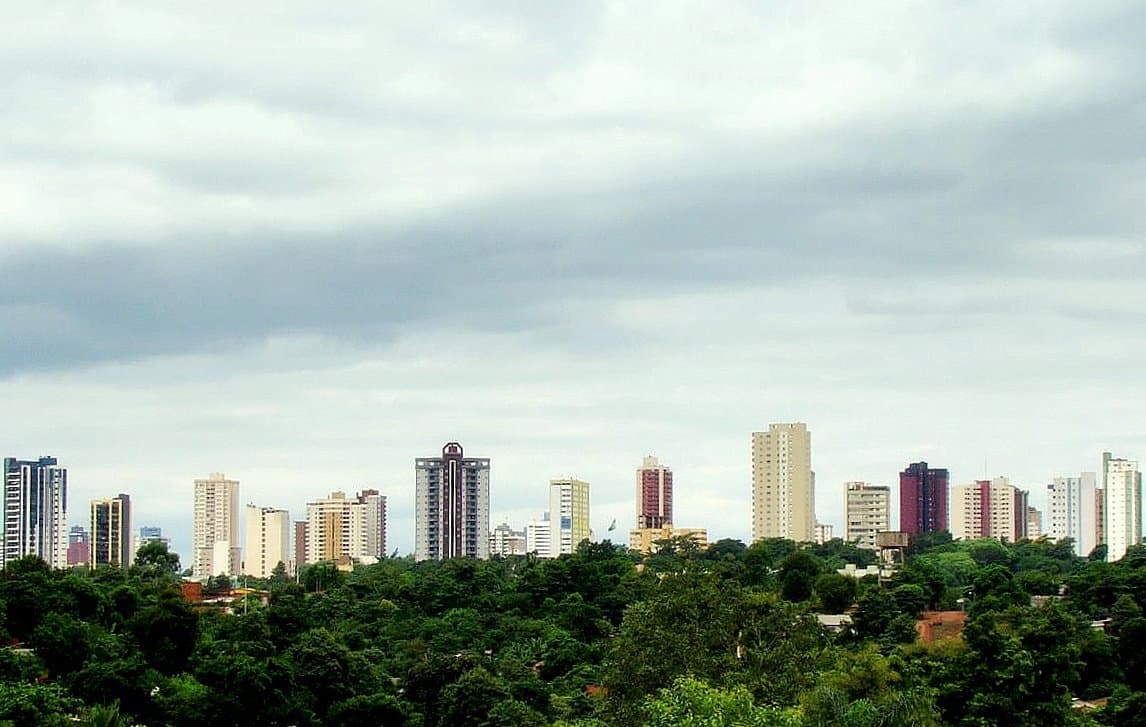
Foz do Iguaçu
Brazil
Buenos Aires
Foz do Iguaçu
How do Buenos Aires and Foz do Iguaçu compare?
Buenos Aires and Foz do Iguaçu are both must-stop chapters of any serious South American itinerary, but they answer entirely different questions. Buenos Aires is Argentina's tango capital — a European-style city of 14 million in cafés and bookshops, Recoleta Cemetery for Evita, San Telmo for the Sunday antiques market, Palermo's bar-and-bookshop circuit, parrillas serving 700g bife de chorizo for $20, and a nightlife that genuinely starts at 1 AM. Foz do Iguaçu is the Brazilian launchpad for one of the planet's great spectacles — 275 individual waterfalls thundering across a 2.7 km horseshoe of basalt cliffs on the Paraná-Argentina border, plus the Itaipu hydroelectric dam (the second-largest in the world) and the Tríplice Fronteira where Brazil, Argentina, and Paraguay meet.
Realistically you need both. Most travellers fly Buenos Aires → Iguazú (Argentine side, IGR) or → Foz do Iguaçu (Brazilian side, IGU) — 1.5 hours, $80-200 each way on Aerolíneas, GOL, or LATAM. Mid-range daily costs split around $110 Buenos Aires vs $90 Foz do Iguaçu (Foz is brutally good value because everything outside the falls is real working-class Brazil). Buenos Aires wins on culture, food, nightlife, and 4-day stays. Foz wins on a single, undeniable, 2-day natural wonder. The smart move is to do the Brazilian side (panoramic, 'postcard') and the Argentine side (you're on top of them) on consecutive days — most travellers do both, sleeping in either city.
Pro tip: stay on the Brazilian side for the better hotel selection and the helicopter flight option (Helisul, ~$160 for 10 minutes), then cross to the Argentine side for a full day at the Devil's Throat catwalk. Don't skip the Bird Park (Parque das Aves) — the only one in Latin America with a forest aviary you walk through. Pick Buenos Aires for tango milongas, Recoleta cemetery, parrilla steakhouses, and Palermo's late-night bar circuit. Pick Foz do Iguaçu for 275 waterfalls thundering across the basalt horseshoe and the Itaipu dam tour.
💰 Budget
🛡️ Safety
Buenos Aires
Buenos Aires is generally safe for tourists in central neighborhoods, but petty crime like pickpocketing and bag snatching is common, especially in crowded areas. Violent crime targeting tourists is rare but situational awareness is essential.
Foz do Iguaçu
Foz is safer than its border-city reputation suggests — the historic perception was shaped by Ciudad del Este (Paraguay) cross-border crime, not Foz itself. Tourist areas (the Cataratas avenue resort strip, Avenida das Cataratas, the national park) are heavily policed and largely trouble-free. Downtown Foz can feel sketchy at night; petty theft and phone snatching are the main concerns. Stay alert at the Friendship Bridge and in Ciudad del Este, and you'll likely have no issues.
🌤️ Weather
Buenos Aires
Buenos Aires has a humid subtropical climate with hot summers and mild winters. The city rarely experiences extreme cold, but summer humidity can be intense. Rain is distributed fairly evenly throughout the year.
Foz do Iguaçu
Foz has a humid subtropical climate — hot, humid summers (Dec-Mar) with afternoon thunderstorms; mild, drier winters (Jun-Aug) with comfortable temperatures and the occasional cold front. The falls run year-round but at very different volumes. Dry-season volume (May-Sep) gives you crisp views of the cataracts and clear catwalks; wet-season volume (Dec-Mar) is overwhelming spray, occasional partial closures of catwalks, and the Devil's Throat sometimes invisible behind its own mist.
🚇 Getting Around
Buenos Aires
Buenos Aires has an extensive public transit network centered on the Subte (metro), colectivos (buses), and a commuter rail system. The SUBE rechargeable card is required for all public transit and costs ARS 3,000 (~$3 USD). Individual rides are extremely cheap by international standards.
Walkability: Central Buenos Aires is flat and very walkable. The grid layout makes navigation easy. Palermo, San Telmo, Recoleta, and the Microcentro are all best explored on foot. Sidewalks can be uneven — watch your step, especially on tree-lined streets where roots push up tiles.
Foz do Iguaçu
Foz is a small city — distances are short but spread out across a low-density urban grid. The tourist areas (the Cataratas Avenue resort strip and the national park) are 8-12 km from downtown, and walking between them is impractical. Uber and 99 work well throughout Foz and to the Argentine border; both are cheaper than taxis. There's a basic public bus system (Linha 120 connects downtown to the falls) but most foreign visitors stick to ride-shares or organised tours.
Walkability: Foz itself is not very walkable — distances are large and most attractions are spread along the Cataratas Avenue or in suburban areas. Within the national parks (both sides) walking is the main mode and the catwalks are flat and accessible. Downtown Foz around Avenida Brasil is walkable for restaurant-hopping during the day.
📅 Best Time to Visit
Buenos Aires
Mar–May, Oct–Nov
Peak travel window
Foz do Iguaçu
Apr–Sep
Peak travel window
The Verdict
Choose Buenos Aires if...
you want tango, incredible steak, European-style architecture, and South America's most cosmopolitan capital
Choose Foz do Iguaçu if...
You want the panoramic, postcard view of Iguazu Falls plus the Itaipu Dam, the world's largest bird park, and easy day-tripping into Argentina and Paraguay from a single base.
Buenos Aires
Foz do Iguaçu
Frequently asked
Is Buenos Aires or Foz do Iguaçu cheaper?
Foz do Iguaçu is cheaper on average. A mid-range day in Buenos Aires costs about $110 vs $90 in Foz do Iguaçu, so Foz do Iguaçu saves you roughly $20 per day compared to Buenos Aires.
Is Buenos Aires or Foz do Iguaçu safer?
Foz do Iguaçu scores higher on our safety index (65/100 vs 55/100). Foz is safer than its border-city reputation suggests — the historic perception was shaped by Ciudad del Este (Paraguay) cross-border crime, not Foz itself.
Which has better weather, Buenos Aires or Foz do Iguaçu?
Foz do Iguaçu has the more temperate climate year-round. Foz has a humid subtropical climate — hot, humid summers (Dec-Mar) with afternoon thunderstorms; mild, drier winters (Jun-Aug) with comfortable temperatures and the occasional cold front. The falls run year-round but at very different volumes. Dry-season volume (May-Sep) gives you crisp views of the cataracts and clear catwalks; wet-season volume (Dec-Mar) is overwhelming spray, occasional partial closures of catwalks, and the Devil's Throat sometimes invisible behind its own mist.
Is it easier to get by with English in Buenos Aires or Foz do Iguaçu?
English is more widely spoken in Foz do Iguaçu (3/5 vs 2/5 on our scale). You'll find it easier to order food, ask for directions, and navigate transit in Foz do Iguaçu.
When is the best time to visit Buenos Aires vs Foz do Iguaçu?
Buenos Aires peaks in Mar–May, Oct–Nov. Foz do Iguaçu peaks in Apr–Sep. Both peak in Apr–May, so a single trip pairs them naturally.
How long is the flight from Buenos Aires to Foz do Iguaçu?
Roughly 1h 51m on a direct flight (about 1,071 km / 665 mi). One-way fares typically run $120-350 depending on season and how far in advance you book.
How do daily costs in Buenos Aires and Foz do Iguaçu compare?
In Buenos Aires: budget ~$30-50/day, mid-range ~$80-140/day, luxury ~$250+/day. In Foz do Iguaçu: budget ~$30-55/day, mid-range ~$70-130/day, luxury ~$300-700/day.
You might also compare
Buenos AiresvsFoz do Iguaçu
Try another