Foz do Iguaçu vs Iguazu Falls
Which destination is right for your next trip?
Last updated
Quick Verdict
Pick Foz do Iguaçu for the panoramic Brazilian-side view, Itaipu Dam, and Parque das Aves bird park. Pick Iguazu Falls if Garganta del Diablo's catwalk plunge and a full day of Argentine circuits matter more.
The real difference is price
These two play in different price tiers: Foz do Iguaçu runs roughly 78% cheaper day to day ($90 vs $160 per day mid-range). Start with your budget — everything else on this page is secondary to that gap.
Can't pick? Visit both.
Build a trip that includes Foz do Iguaçu and Iguazu Falls, with complementary stops we'll suggest.
🏆 Iguazu Falls wins 73 OVR vs 67 · attribute matchup 5–4
Keep exploring
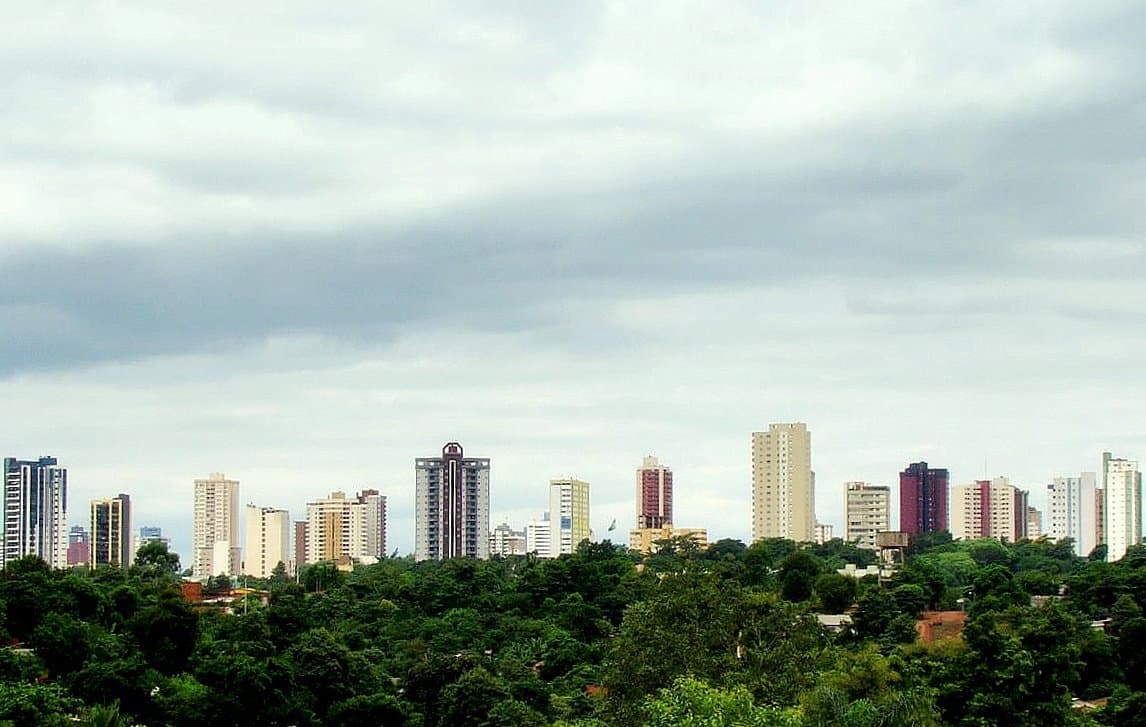
Foz do Iguaçu
Brazil

Iguazu Falls
Argentina
Foz do Iguaçu
Iguazu Falls
How do Foz do Iguaçu and Iguazu Falls compare?
This isn't really an either-or — these are the two sides of the same waterfall system, divided by the Brazil-Argentina border. Foz do Iguaçu is the Brazilian-side city of 260,000 with the panoramic, postcard view from a 1.2 km cliff-edge walkway, plus the Itaipu Dam (the world's second-largest hydroelectric plant), the Parque das Aves bird park, and easy day-tripping into Argentina and Paraguay. Iguazu Falls (Puerto Iguazú) is the Argentine side — a smaller town of 100,000 with a much larger park area, a network of catwalks that puts you directly above the 80m Devil's Throat plunge, and the Lower and Upper Circuits that add 3–4 hours of additional walkways.
Most travelers do both on a 2–3 night trip, basing in Foz (cheaper hotels, better restaurants, more flights from São Paulo and Rio) and crossing the Tancredo Neves bridge to Argentina for a full day. The Brazilian side runs about $20 entry (R$95) and takes a half day; Argentine side is $30–$40 USD entry (ARS pricing varies wildly with inflation) and takes a full day. The standard split: morning in Brazil for the panorama, full next day in Argentina with the Garganta del Diablo train, evening boat under the falls (Macuco Safari, R$330 / Iguazú Jungle, $80) at either side.
Pro tip: bring your passport across the bridge even though immigration is usually waved through for visa-free nationalities — they sometimes spot-check, and the return crossing without a stamp gets messy. Don't try to do both sides in one day; you'll see neither well. Pick Foz do Iguaçu if a Brazilian base with the panoramic view, Itaipu Dam, Parque das Aves, and easy Argentina day-tripping shape the trip. Pick Iguazu Falls (Argentina) if standing directly above the Garganta del Diablo and walking 4 hours of catwalks is the actual goal.
💰 Budget
🛡️ Safety
Foz do Iguaçu
Foz is safer than its border-city reputation suggests — the historic perception was shaped by Ciudad del Este (Paraguay) cross-border crime, not Foz itself. Tourist areas (the Cataratas avenue resort strip, Avenida das Cataratas, the national park) are heavily policed and largely trouble-free. Downtown Foz can feel sketchy at night; petty theft and phone snatching are the main concerns. Stay alert at the Friendship Bridge and in Ciudad del Este, and you'll likely have no issues.
Iguazu Falls
Puerto Iguazú and the national park are among the safer tourist zones in Argentina. The park itself is well-managed and staffed. The main risks are environmental — slippery walkways, intense sun, wildlife interactions, and occasional boardwalk closures from flooding — rather than crime. Exercise normal urban precautions in Puerto Iguazú town center and around the bus terminal.
🌤️ Weather
Foz do Iguaçu
Foz has a humid subtropical climate — hot, humid summers (Dec-Mar) with afternoon thunderstorms; mild, drier winters (Jun-Aug) with comfortable temperatures and the occasional cold front. The falls run year-round but at very different volumes. Dry-season volume (May-Sep) gives you crisp views of the cataracts and clear catwalks; wet-season volume (Dec-Mar) is overwhelming spray, occasional partial closures of catwalks, and the Devil's Throat sometimes invisible behind its own mist.
Iguazu Falls
Iguazu sits in a subtropical rainforest climate — hot and humid year-round with no true dry season. Rainfall feeds the falls' volume directly: after heavy summer rains the cascades swell dramatically, sometimes closing the Devil's Throat boardwalk due to flooding. Winter (June-August) is milder and drier with the most comfortable conditions for walking the trails.
🚇 Getting Around
Foz do Iguaçu
Foz is a small city — distances are short but spread out across a low-density urban grid. The tourist areas (the Cataratas Avenue resort strip and the national park) are 8-12 km from downtown, and walking between them is impractical. Uber and 99 work well throughout Foz and to the Argentine border; both are cheaper than taxis. There's a basic public bus system (Linha 120 connects downtown to the falls) but most foreign visitors stick to ride-shares or organised tours.
Walkability: Foz itself is not very walkable — distances are large and most attractions are spread along the Cataratas Avenue or in suburban areas. Within the national parks (both sides) walking is the main mode and the catwalks are flat and accessible. Downtown Foz around Avenida Brasil is walkable for restaurant-hopping during the day.
Iguazu Falls
There is no regular public transit between the Argentine and Brazilian sides — the border crossing requires a bus or taxi via the Ponte Tancredo Neves bridge. Within the Argentine park, the Tren Ecológico (ecological train) connects the visitor centre to the Upper Circuit and Devil's Throat stops. Puerto Iguazú itself is small and walkable; taxis are cheap and plentiful.
Walkability: Puerto Iguazú town is small and walkable — the central area, main street (Avenida Córdoba), and waterfront can all be reached on foot from most hotels. The national park is also walk-friendly within its circuits, though the train is needed to reach Devil's Throat without a 3 km return walk on a service road.
📅 Best Time to Visit
Foz do Iguaçu
Apr–Sep
Peak travel window
Iguazu Falls
Apr–May, Aug–Sep
Peak travel window
The Verdict
Choose Foz do Iguaçu if...
You want the panoramic, postcard view of Iguazu Falls plus the Itaipu Dam, the world's largest bird park, and easy day-tripping into Argentina and Paraguay from a single base.
Choose Iguazu Falls if...
you want one of the New 7 Natural Wonders — 275 cascades, the Devil's Throat catwalk, and the triple-frontier of Argentina + Brazil + Paraguay
Foz do Iguaçu
Iguazu Falls
Frequently asked
Is Foz do Iguaçu or Iguazu Falls cheaper?
Foz do Iguaçu is cheaper on average. A mid-range day in Foz do Iguaçu costs about $90 vs $160 in Iguazu Falls, so Foz do Iguaçu saves you roughly $70 per day compared to Iguazu Falls.
Is Foz do Iguaçu or Iguazu Falls safer?
Iguazu Falls scores higher on our safety index (75/100 vs 65/100). Puerto Iguazú and the national park are among the safer tourist zones in Argentina.
Which has better weather, Foz do Iguaçu or Iguazu Falls?
Iguazu Falls has the more temperate climate year-round. Iguazu sits in a subtropical rainforest climate — hot and humid year-round with no true dry season. Rainfall feeds the falls' volume directly: after heavy summer rains the cascades swell dramatically, sometimes closing the Devil's Throat boardwalk due to flooding. Winter (June-August) is milder and drier with the most comfortable conditions for walking the trails.
When is the best time to visit Foz do Iguaçu vs Iguazu Falls?
Foz do Iguaçu peaks in Apr–Sep. Iguazu Falls peaks in Apr–May, Aug–Sep. Both peak in Apr–May, Aug–Sep, so a single trip pairs them naturally.
How long is the flight from Foz do Iguaçu to Iguazu Falls?
Roughly 37m on a direct flight (about 22 km / 14 mi). One-way fares typically run $60-180 depending on season and how far in advance you book.
How do daily costs in Foz do Iguaçu and Iguazu Falls compare?
In Foz do Iguaçu: budget ~$30-55/day, mid-range ~$70-130/day, luxury ~$300-700/day. In Iguazu Falls: budget ~$50-80/day, mid-range ~$120-200/day, luxury ~$300+/day.
You might also compare
Foz do IguaçuvsIguazu Falls
Try another