Quick Verdict
Pick Niseko for safety and cleanliness. Pick Sapporo for nightlife and transit.
Can't pick? Visit both.
Build a trip that includes Niseko and Sapporo, with complementary stops we'll suggest.
🏆 Sapporo wins 78 OVR vs 70 · attribute matchup 1–7
Keep exploring

Niseko
Japan
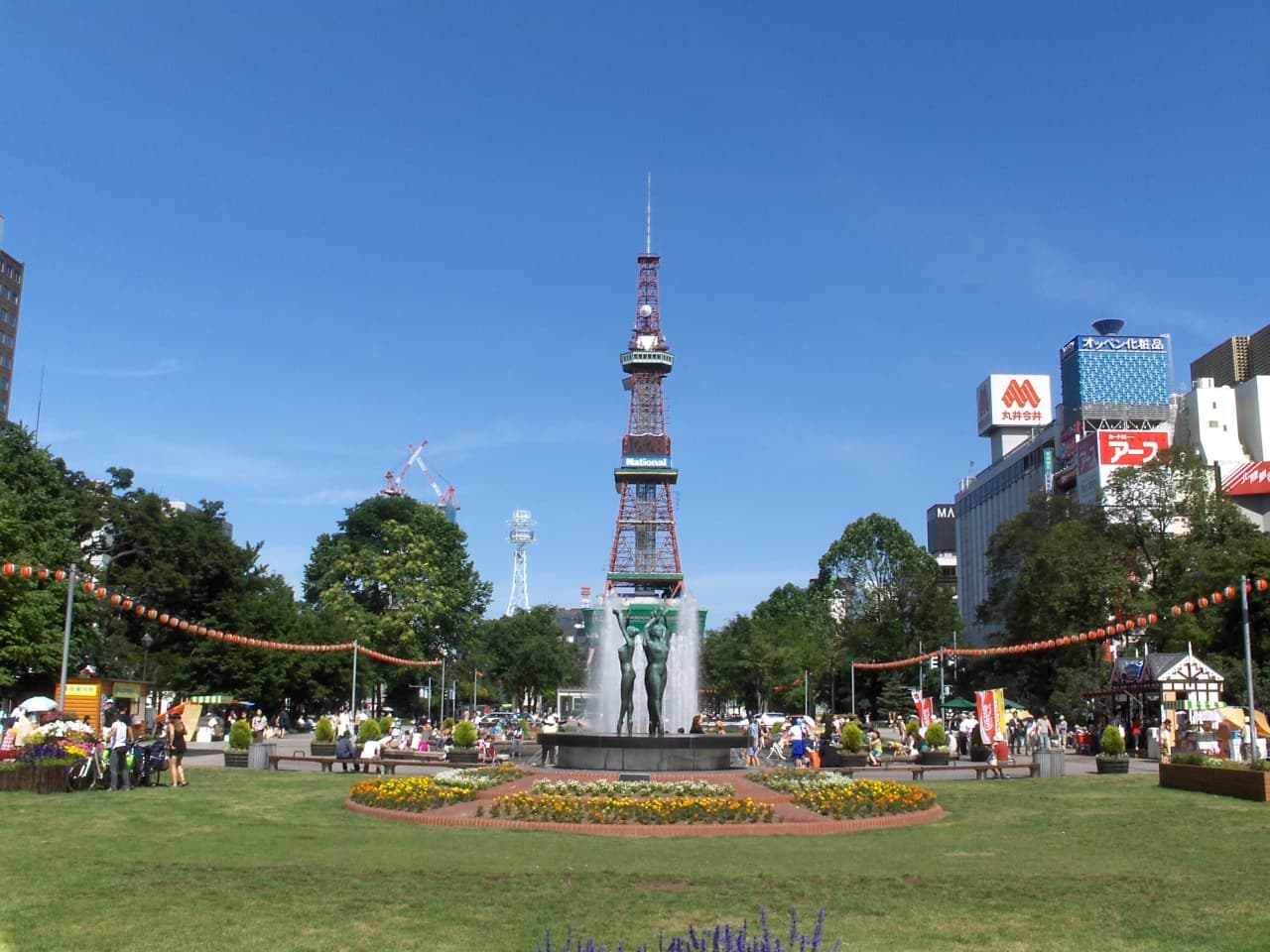
Sapporo
Japan
Niseko
Sapporo
How do Niseko and Sapporo compare?
Niseko — hokkaido's premier ski region, two hours by road from Sapporo's New Chitose airport, while Sapporo — the capital of Hokkaido and Japan’s 5th-largest city. Both sit in Japan, yet the country you encounter at each is barely the same place.
Sapporo edges ahead on transit. Sapporo is the better pick for nightlife. Your wallet will notice — about $200/day mid-range in Sapporo versus $320/day in Niseko.
Both peak around the same window (February and July and August), so a single trip can hit each at its best.
💰 Budget
🛡️ Safety
Niseko
Niseko is exceptionally safe in the Japanese baseline sense — no meaningful crime risk, well-maintained resort infrastructure, and excellent emergency services. The actual hazards are mountain-environmental: avalanche risk in the backcountry, treewell suffocation in deep powder, frostbite on cold days, and driving conditions on snowed-in roads.
Sapporo
Sapporo is one of the safest large cities in the world — Japan's overall low crime rate combined with Hokkaido's especially community-oriented culture. Violent crime is rare; pickpockets exist in Susukino on weekend nights but are uncommon. The genuine concerns for visitors are environmental (extreme winter cold, slippery icy sidewalks) and the touts in Susukino aggressively pulling tourists into overpriced "international" bars. Solo female travellers report Sapporo as one of the most comfortable cities in Asia.
🌤️ Weather
Niseko
Niseko has two distinct seasons that matter — winter (December to mid-April) and summer green season (June to early October). Spring and autumn shoulders are short and many businesses close. Winter delivers 14-15 metres of dry, light powder; summer delivers cool, comfortable hiking conditions in the 20s. Late autumn (mid-October to early December) and the snow-melt mud season (late April to mid-June) are dead time on the mountain.
Sapporo
Sapporo has a humid continental climate — long, cold, snowy winters (December–March, regular -10°C lows, ~6 m of seasonal snowfall in the city) and pleasantly warm summers (June–August, 20–28°C with low humidity vs. mainland Japan). Spring and autumn are short but spectacular. Sapporo gets the most snow of any major city of its size in the world (~6 m/year) — the city's underground passageways were built to keep walking commerce alive in deep winter.
🚇 Getting Around
Niseko
Most Niseko visitors arrive by airport shuttle bus from Sapporo's New Chitose Airport (CTS), then move around the four resorts on the free Niseko United inter-resort shuttle. Self-driving from Sapporo is the alternative — but winter Hokkaido roads require snow tyres and confidence. Within Hirafu Village, walking and the free village shuttle cover everything.
Walkability: Hirafu Village is walkable but in ski boots and -10°C, you will use the shuttle. Lower Hirafu (the gondola base) and upper Hirafu (the bars and restaurants) are about a 15-minute walk apart on a steep hill — the shuttle is the right answer in ski clothes. Niseko Village (Hilton-anchored) is a self-contained pedestrian compound. Annupuri and Hanazono are not walkable — shuttle or car only.
Sapporo
Sapporo has one of Japan's smaller urban-rail networks — three subway lines, a single tram line, and the JR rail network covering Hokkaido. The grid layout makes navigation simple: streets are numbered (north/south) and sectorised (east/west). Most central tourist sights are within a 30-min walk of Odori subway. Heated underground walkways link downtown buildings, allowing winter walking commerce. Niseko and Otaru day trips are easy by JR train or highway bus.
Walkability: Sapporo's downtown grid is excellent for walking — central Sapporo Station to Susukino is 20 min on foot via the underground walkway. The block sizes and numbered streets make navigation simple. Winter walking is feasible if you have appropriate ice grippers; the 520-m underground Chikaho walkway provides indoor through-traffic during the heaviest snow.
📅 Best Time to Visit
Niseko
Jan–Mar, Jul–Aug, Dec
Peak travel window
Sapporo
Feb, May–Aug, Oct
Peak travel window
The Verdict
Choose Niseko if...
You want the world's most reliable powder snow, four interconnected resorts on one pass, and an English-speaking apres-ski scene where Aussie pubs sit next to onsen ryokan.
Choose Sapporo if...
you want northern Japan’s biggest city with the world’s greatest snow festival, world-class miso ramen at the source, Niseko ski access, and a cool dry escape from mainland Japan’s humid summer
Sapporo
Frequently asked
Is Niseko or Sapporo cheaper?
Sapporo is cheaper on average. A mid-range day in Niseko costs about $320 vs $200 in Sapporo, so Sapporo saves you roughly $120 per day compared to Niseko.
Is Niseko or Sapporo safer?
Niseko scores higher on our safety index (94/100 vs 92/100). Niseko is exceptionally safe in the Japanese baseline sense — no meaningful crime risk, well-maintained resort infrastructure, and excellent emergency services.
Which has better weather, Niseko or Sapporo?
Sapporo has the more temperate climate year-round. Sapporo has a humid continental climate — long, cold, snowy winters (December–March, regular -10°C lows, ~6 m of seasonal snowfall in the city) and pleasantly warm summers (June–August, 20–28°C with low humidity vs. mainland Japan). Spring and autumn are short but spectacular. Sapporo gets the most snow of any major city of its size in the world (~6 m/year) — the city's underground passageways were built to keep walking commerce alive in deep winter.
Is it easier to get by with English in Niseko or Sapporo?
English is more widely spoken in Niseko (4/5 vs 3/5 on our scale). You'll find it easier to order food, ask for directions, and navigate transit in Niseko.
When is the best time to visit Niseko vs Sapporo?
Niseko peaks in Jan–Mar, Jul–Aug, Dec. Sapporo peaks in Feb, May–Aug, Oct. Both peak in Feb, Jul–Aug, so a single trip pairs them naturally.
How long is the flight from Niseko to Sapporo?
Roughly 39m on a direct flight (about 61 km / 38 mi). One-way fares typically run $60-180 depending on season and how far in advance you book.
How do daily costs in Niseko and Sapporo compare?
In Niseko: budget ~$120-180/day, mid-range ~$280-450/day, luxury ~$700-1,500+/day. In Sapporo: budget ~$60-110/day, mid-range ~$130-280/day, luxury ~$400-1500/day.
You might also compare
NisekovsSapporo
Try another