Quick Verdict
Pick Beijing if Forbidden City courtyards, Mutianyu maples, and Quanjude duck dinners trump powder snow. Pick Sapporo if Yuki Matsuri ice blocks, Susukino miso ramen, and Niseko ski runs beat imperial halls.
The real difference is price
These two play in different price tiers: Beijing runs roughly 67% cheaper day to day ($120 vs $200 per day mid-range). Start with your budget — everything else on this page is secondary to that gap.
Can't pick? Visit both.
Build a trip that includes Beijing and Sapporo, with complementary stops we'll suggest.
🏆 Sapporo wins 78 OVR vs 76 · attribute matchup 2–6
Keep exploring

Beijing
China
Sapporo
Japan
Beijing
Sapporo
How do Beijing and Sapporo compare?
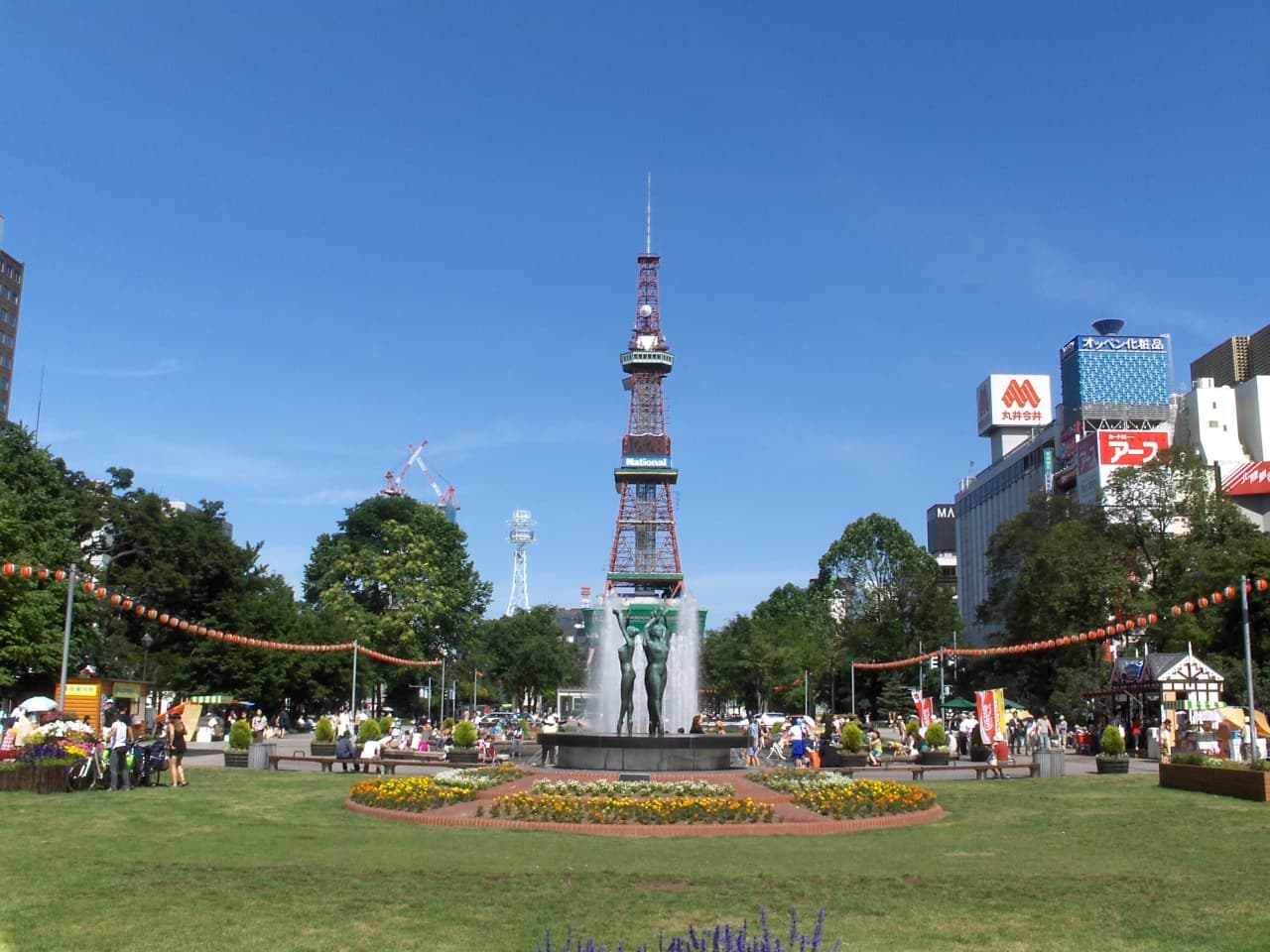
$120 a night in Beijing gets you imperial-axis breakfast at a Hutong courtyard hotel; $200 in Sapporo gets you ramen-counter dinner three blocks from Susukino. Beijing is China at its most layered — the Forbidden City's 980 buildings, Mutianyu's restored Great Wall section under autumn maples, Peking duck carved tableside at Quanjude or Da Dong, and Hutong bike rides past gray-brick courtyard houses. Sapporo is Japan's far north — beer-hall miso ramen at the source, the smell of grilling Genghis Khan mutton at Daruma, Odori Park's February ice city during Yuki Matsuri, and Niseko's powder 90 minutes by bus.
The cleanliness and safety gap matters: Sapporo runs 5/5 cleanliness and 92 safety; Beijing 3/5 and 82, with winter AQI routinely north of 200. Beijing's edge is cultural-site density (5/5 — three UNESCO sites within metro range) and food scene (5/5 — every northern Chinese regional kitchen represented). Sapporo wins on nature (5/5 — Daisetsuzan, Niseko, Lake Toya) and nightlife (5/5 — Susukino's neon-grid stays loud until 5am). Cost-index 51 vs 60: Beijing is genuinely cheaper across street food, taxis, and metro.
Pro tip: Beijing is best in late September-October when the maples turn at Mutianyu and AQI drops below 100; avoid winter. Sapporo's snow window is February (Yuki Matsuri) and June-August for wildflower hiking. Combine via 4-hour Air China direct — most travelers do not, but the climates are so opposite the contrast works.
💰 Budget
🛡️ Safety
Beijing
Beijing is generally very safe with low violent crime rates. The main concerns for tourists are scams, pickpocketing in crowded areas, air pollution, and navigating internet restrictions.
Sapporo
Sapporo is one of the safest large cities in the world — Japan's overall low crime rate combined with Hokkaido's especially community-oriented culture. Violent crime is rare; pickpockets exist in Susukino on weekend nights but are uncommon. The genuine concerns for visitors are environmental (extreme winter cold, slippery icy sidewalks) and the touts in Susukino aggressively pulling tourists into overpriced "international" bars. Solo female travellers report Sapporo as one of the most comfortable cities in Asia.
🌤️ Weather
Beijing
Beijing has a continental monsoon climate with hot, humid summers and cold, dry winters. Spring can bring sandstorms from the Gobi Desert. Autumn is widely considered the best season to visit.
Sapporo
Sapporo has a humid continental climate — long, cold, snowy winters (December–March, regular -10°C lows, ~6 m of seasonal snowfall in the city) and pleasantly warm summers (June–August, 20–28°C with low humidity vs. mainland Japan). Spring and autumn are short but spectacular. Sapporo gets the most snow of any major city of its size in the world (~6 m/year) — the city's underground passageways were built to keep walking commerce alive in deep winter.
🚇 Getting Around
Beijing
Beijing's metro is massive (27 lines, 470+ stations) and covers most tourist areas. Distances between sights can be large — combine metro with taxis or ride-hailing for efficiency.
Walkability: Moderate — individual areas like the Forbidden City surroundings and hutong neighborhoods are very walkable, but Beijing is enormous and distances between attractions are significant.
Sapporo
Sapporo has one of Japan's smaller urban-rail networks — three subway lines, a single tram line, and the JR rail network covering Hokkaido. The grid layout makes navigation simple: streets are numbered (north/south) and sectorised (east/west). Most central tourist sights are within a 30-min walk of Odori subway. Heated underground walkways link downtown buildings, allowing winter walking commerce. Niseko and Otaru day trips are easy by JR train or highway bus.
Walkability: Sapporo's downtown grid is excellent for walking — central Sapporo Station to Susukino is 20 min on foot via the underground walkway. The block sizes and numbered streets make navigation simple. Winter walking is feasible if you have appropriate ice grippers; the 520-m underground Chikaho walkway provides indoor through-traffic during the heaviest snow.
📅 Best Time to Visit
Beijing
Apr–May, Sep–Oct
Peak travel window
Sapporo
Feb, May–Aug, Oct
Peak travel window
The Verdict
Choose Beijing if...
you want the Forbidden City, Temple of Heaven, Great Wall at Mutianyu or Jinshanling, Summer Palace, Peking duck, and hutong bike rides
Choose Sapporo if...
you want northern Japan’s biggest city with the world’s greatest snow festival, world-class miso ramen at the source, Niseko ski access, and a cool dry escape from mainland Japan’s humid summer
Beijing
Sapporo
Frequently asked
Is Beijing or Sapporo cheaper?
Beijing is cheaper on average. A mid-range day in Beijing costs about $120 vs $200 in Sapporo, so Beijing saves you roughly $80 per day compared to Sapporo.
Is Beijing or Sapporo safer?
Sapporo scores higher on our safety index (92/100 vs 78/100). Sapporo is one of the safest large cities in the world — Japan's overall low crime rate combined with Hokkaido's especially community-oriented culture.
Which has better weather, Beijing or Sapporo?
Sapporo has the more temperate climate year-round. Sapporo has a humid continental climate — long, cold, snowy winters (December–March, regular -10°C lows, ~6 m of seasonal snowfall in the city) and pleasantly warm summers (June–August, 20–28°C with low humidity vs. mainland Japan). Spring and autumn are short but spectacular. Sapporo gets the most snow of any major city of its size in the world (~6 m/year) — the city's underground passageways were built to keep walking commerce alive in deep winter.
Is it easier to get by with English in Beijing or Sapporo?
English is more widely spoken in Sapporo (3/5 vs 2/5 on our scale). You'll find it easier to order food, ask for directions, and navigate transit in Sapporo.
When is the best time to visit Beijing vs Sapporo?
Beijing peaks in Apr–May, Sep–Oct. Sapporo peaks in Feb, May–Aug, Oct. Both peak in May, Oct, so a single trip pairs them naturally.
How long is the flight from Beijing to Sapporo?
Roughly 3h 3m on a direct flight (about 2,099 km / 1,304 mi). One-way fares typically run $250-700 depending on season and how far in advance you book.
How do daily costs in Beijing and Sapporo compare?
In Beijing: budget ~$40/day, mid-range ~$120/day, luxury ~$350/day. In Sapporo: budget ~$60-110/day, mid-range ~$130-280/day, luxury ~$400-1500/day.
You might also compare
BeijingvsSapporo
Try another