Quick Verdict
Pick Kyoto if temple gardens, geisha-district tea houses, and Saiho-ji moss matter more than nightlife. Pick Sapporo if Susukino izakayas, miso ramen at the source, and February snow sculptures beat shrine-hopping.
Can't pick? Visit both.
Build a trip that includes Kyoto and Sapporo, with complementary stops we'll suggest.
🏆 Kyoto wins 83 OVR vs 78 · attribute matchup 4–2
Keep exploring

Kyoto
Japan
Sapporo
Japan
Kyoto
Sapporo
How do Kyoto and Sapporo compare?
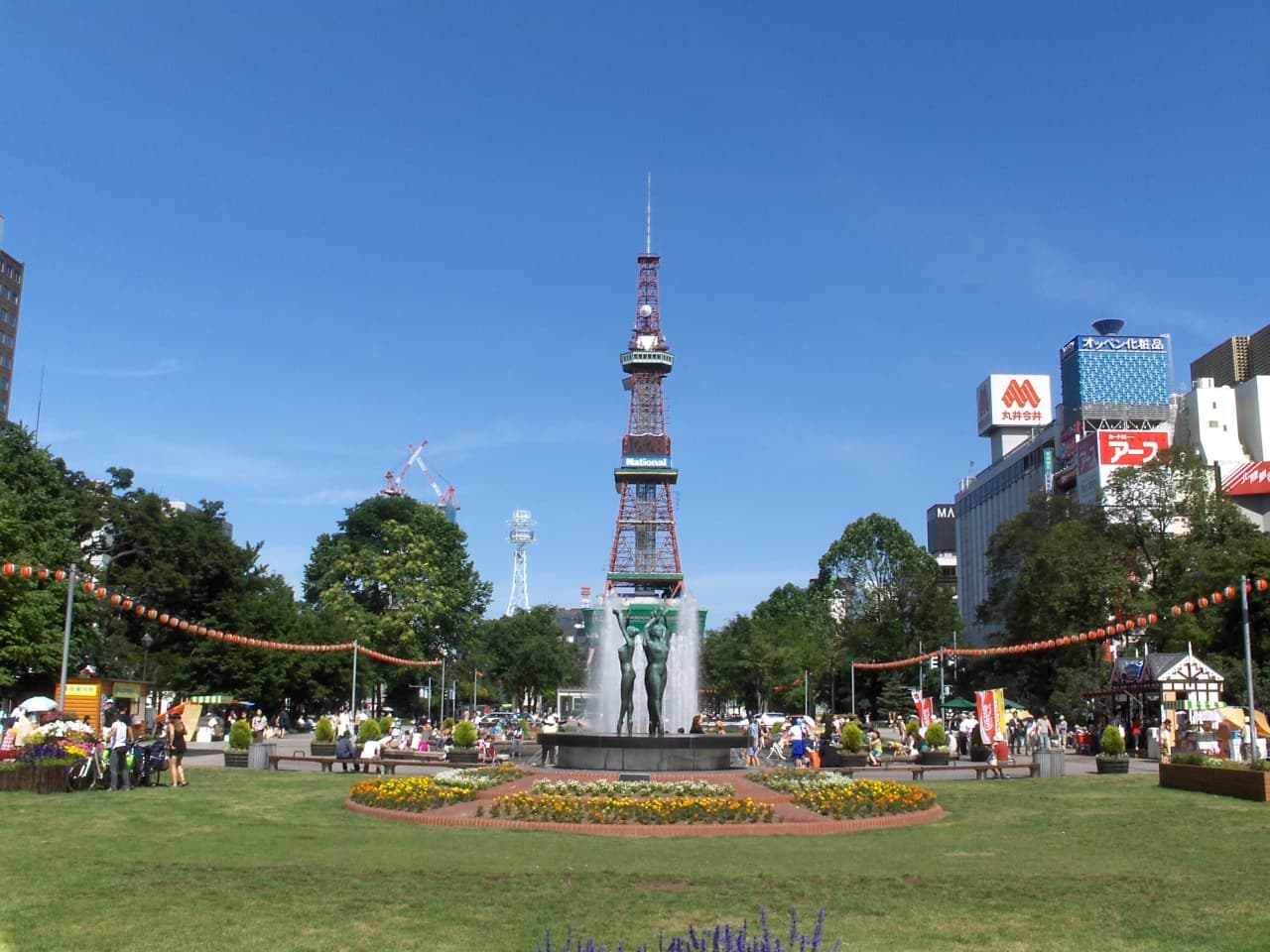
These two are essentially different countries that share a passport. Kyoto is old-capital Japan distilled — 1,600 temples, the moss garden at Saiho-ji you book by postcard, and tofu kaiseki dinners at Shoraian under maple trees. Sapporo is northern frontier Japan — wide American-style boulevards laid out by a Yankee planner in 1869, miso ramen invented at Sumire, and the smell of grilled lamb at a Genghis Khan barbecue stall in February when the snow sculptures fill Odori Park.
Mid-range nights run identical at $200, but they buy different things — in Kyoto, a tatami ryokan in Higashiyama with a kaiseki breakfast; in Sapporo, a high-floor Otaru-bay-view room and money left over for a Niseko ski day. Kyoto's cultural-site density is unmatched and the city is genuinely walkable through Gion's lantern-lit lanes; Sapporo's nightlife is what Kyoto's quietly isn't, with Susukino's neon district running until 4 AM and craft sake bars stacked five-deep in single buildings. Summer in Kyoto hits 35°C with brutal humidity; Sapporo stays at 25°C and dry, the only major Japanese city where July is genuinely pleasant.
Practical move: pair them on a 10-day trip via the 90-minute LCC flight (Peach runs $80 one-way) rather than choosing — Kyoto in cherry-blossom April or maple November, Sapporo in February for the Snow Festival or August to escape Honshu's wet heat. Book Kyoto ryokans 90 days out for peak weeks; Sapporo books 3 weeks ahead even in February.
💰 Budget
🛡️ Safety
Kyoto
Kyoto is exceptionally safe, even by Japan's high standards. Violent crime against tourists is virtually unheard of. Lost wallets are routinely turned in to police boxes (koban) with cash intact. The main concerns are heat exhaustion in summer and cultural etiquette missteps.
Sapporo
Sapporo is one of the safest large cities in the world — Japan's overall low crime rate combined with Hokkaido's especially community-oriented culture. Violent crime is rare; pickpockets exist in Susukino on weekend nights but are uncommon. The genuine concerns for visitors are environmental (extreme winter cold, slippery icy sidewalks) and the touts in Susukino aggressively pulling tourists into overpriced "international" bars. Solo female travellers report Sapporo as one of the most comfortable cities in Asia.
🌤️ Weather
Kyoto
Kyoto has a humid subtropical climate with four distinct seasons. Summers are notoriously hot and humid, while winters are cold but rarely snowy. The city is inland and surrounded by mountains on three sides, trapping heat in summer and cold in winter.
Sapporo
Sapporo has a humid continental climate — long, cold, snowy winters (December–March, regular -10°C lows, ~6 m of seasonal snowfall in the city) and pleasantly warm summers (June–August, 20–28°C with low humidity vs. mainland Japan). Spring and autumn are short but spectacular. Sapporo gets the most snow of any major city of its size in the world (~6 m/year) — the city's underground passageways were built to keep walking commerce alive in deep winter.
🚇 Getting Around
Kyoto
Kyoto's main tourist areas are well-connected by a comprehensive city bus network and two subway lines. Buses are the workhorse for temple-hopping, especially in eastern Kyoto. A one-day bus pass (¥700) pays for itself after three rides. IC cards (ICOCA/Suica) work on all transit.
Walkability: The eastern Higashiyama district (Kiyomizu-dera to Ginkaku-ji) is best explored on foot along atmospheric stone-paved lanes. Central Kyoto's flat grid between Shijo and Oike is very walkable. The Philosopher's Path is a 2 km pedestrian route connecting two temple areas. Carry an umbrella — rain appears quickly.
Sapporo
Sapporo has one of Japan's smaller urban-rail networks — three subway lines, a single tram line, and the JR rail network covering Hokkaido. The grid layout makes navigation simple: streets are numbered (north/south) and sectorised (east/west). Most central tourist sights are within a 30-min walk of Odori subway. Heated underground walkways link downtown buildings, allowing winter walking commerce. Niseko and Otaru day trips are easy by JR train or highway bus.
Walkability: Sapporo's downtown grid is excellent for walking — central Sapporo Station to Susukino is 20 min on foot via the underground walkway. The block sizes and numbered streets make navigation simple. Winter walking is feasible if you have appropriate ice grippers; the 520-m underground Chikaho walkway provides indoor through-traffic during the heaviest snow.
📅 Best Time to Visit
Kyoto
Mar–Apr, Oct–Nov
Peak travel window
Sapporo
Feb, May–Aug, Oct
Peak travel window
The Verdict
Choose Kyoto if...
you want Japan's cultural heart — 2,000 temples, Fushimi Inari torii, Arashiyama bamboo, geisha districts, and cherry blossoms along the Philosopher's Path
Choose Sapporo if...
you want northern Japan’s biggest city with the world’s greatest snow festival, world-class miso ramen at the source, Niseko ski access, and a cool dry escape from mainland Japan’s humid summer
Frequently asked
Is Kyoto or Sapporo cheaper?
Kyoto and Sapporo come in at roughly the same mid-range daily cost (~$200 per day), so budget alone is not a deciding factor.
Is Kyoto or Sapporo safer?
Kyoto and Sapporo score equally on our safety index (92/100). Specific risks differ by neighborhood — check the Safety section on each guide.
Which has better weather, Kyoto or Sapporo?
Sapporo has the more temperate climate year-round. Sapporo has a humid continental climate — long, cold, snowy winters (December–March, regular -10°C lows, ~6 m of seasonal snowfall in the city) and pleasantly warm summers (June–August, 20–28°C with low humidity vs. mainland Japan). Spring and autumn are short but spectacular. Sapporo gets the most snow of any major city of its size in the world (~6 m/year) — the city's underground passageways were built to keep walking commerce alive in deep winter.
Is it easier to get by with English in Kyoto or Sapporo?
English is more widely spoken in Sapporo (3/5 vs 2/5 on our scale). You'll find it easier to order food, ask for directions, and navigate transit in Sapporo.
When is the best time to visit Kyoto vs Sapporo?
Kyoto peaks in Mar–Apr, Oct–Nov. Sapporo peaks in Feb, May–Aug, Oct. Both peak in Oct, so a single trip pairs them naturally.
How long is the flight from Kyoto to Sapporo?
Roughly 1h 47m on a direct flight (about 1,017 km / 631 mi). One-way fares typically run $120-350 depending on season and how far in advance you book.
How do daily costs in Kyoto and Sapporo compare?
In Kyoto: budget ~$60-90/day, mid-range ~$150-250/day, luxury ~$400+/day. In Sapporo: budget ~$60-110/day, mid-range ~$130-280/day, luxury ~$400-1500/day.
You might also compare
KyotovsSapporo
Try another