All Destinations
134 of 576 guides match

Tampa
United States
Florida’s Gulf-coast counterweight to Miami — a working city of 395K (3.4M metro) wrapped around the largest open-water estuary in Florida. Ybor City, the 1885-founded Cuban-Spanish-Italian cigar district, is where the Tampa Cuban sandwich was invented (the official sandwich of Tampa by city ordinance) and where wild chickens still roam between the brick streets descended from cigar-rollers’ birds. Add Busch Gardens (the densest concentration of major rollercoasters in the southern US), the 4-km waterfront Riverwalk, the Florida Aquarium’s 500,000-gallon coral reef tank, and the legendary Bern’s Steak House (largest restaurant wine collection on Earth, 500,000 bottles). Tampa International Airport regularly tops US traveller-satisfaction rankings; Clearwater Beach (regularly named America’s best beach) is 40 minutes west.

Telluride
United States
A 2,600-person Victorian town wedged into a box canyon at 8,750 ft, walled in on three sides by 13,000-ft San Juan peaks — the most dramatic setting of any ski town in the Lower 48. The free public gondola, the only one of its kind in North America, connects historic Telluride to Mountain Village at 9,500 ft in 13 minutes, running 7am-midnight in ski and summer seasons. Bridal Veil Falls plunges 365 ft at the canyon's eastern dead-end, the tallest free-falling waterfall in Colorado. The whole town is a National Historic Landmark District. Bluegrass Festival in June and Telluride Film Festival each Labor Day weekend draw devoted national crowds.

Toronto
Canada
Canada's largest city holds the CN Tower (553m), the world's most multicultural population (200 languages spoken), and St. Lawrence Market (National Geographic's #1 food market in the world). The Distillery District is the largest collection of Victorian industrial architecture in North America. From Kensington Market's bohemian stalls to the waterfront Islands ferry and the Royal Ontario Museum, Toronto delivers a world-class city without the pretension — and Niagara Falls is 90 minutes away.
Trinidad
Cuba
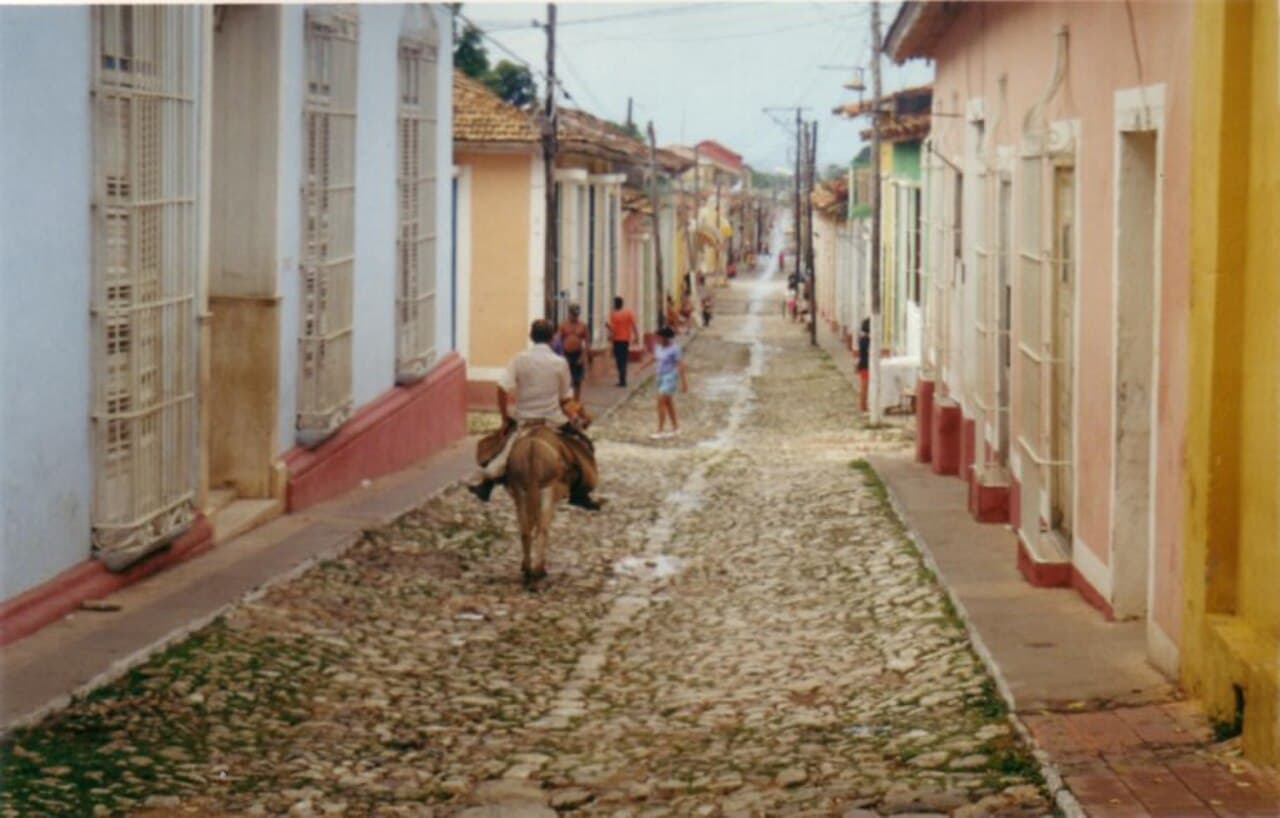
UNESCO-listed colonial city frozen in the 18th century — founded in 1514, Trinidad's pastel-painted houses and cobblestone streets have barely changed since sugar wealth peaked. Plaza Mayor is the finest colonial square in Cuba. Valle de los Ingenios preserves the sugar-plantation landscape that made the city rich and enslaved thousands.

Tucson
United States
Tucson sits in a Sonoran Desert basin ringed by five mountain ranges and saguaro forests so dense they got their own national park (split into east and west units that bracket the city). It's the oldest continuously inhabited place in the US — 4,000+ years of history layered through the Tohono O'odham, the Spanish mission of San Xavier del Bac (1797), Mexican rule, and the Wild West railroad town. The food scene is the only UNESCO City of Gastronomy in the US, built on Sonoran-Mexican traditions with chimichangas (invented here), sonoran hot dogs, and fresh tortillas at decades-old neighborhood spots.
Tulum
Mexico
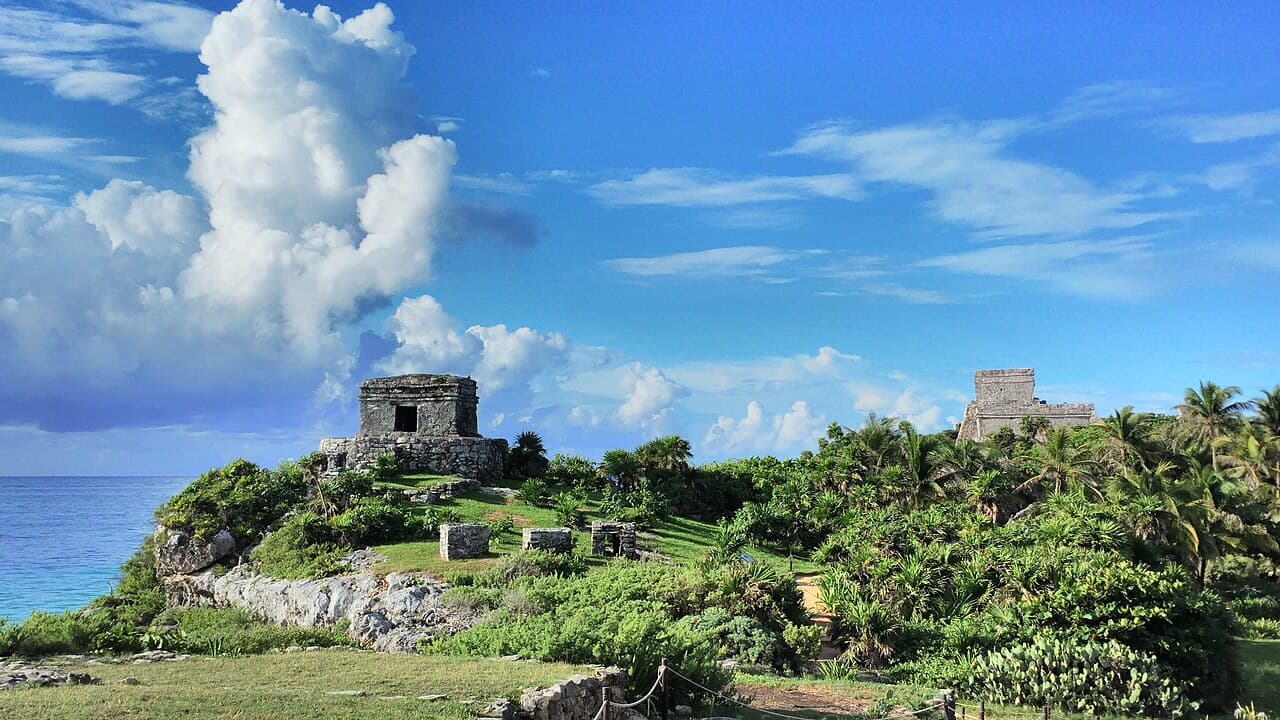
Riviera Maya's boho-chic capital — the only walled coastal Mayan ruins, perched on a cliff above turquoise Caribbean. Two Tulums coexist: the Pueblo (taco stands, hostels, real prices) and the Beach Hotel Zone (Instagram-famous palapa resorts at eye-watering rates). Cenotes everywhere — Gran Cenote, Dos Ojos, Sac Actun. Sian Ka'an Biosphere south, Coba Ruins inland. The new Maya Train and a brand-new Tulum airport opened late 2023.

Turks and Caicos
Turks and Caicos
A British Overseas Territory of 40 low-lying coral islands strung between the Bahamas and Hispaniola — Grace Bay’s 12 miles of powdery white sand and turquoise water regularly tops world’s-best-beach rankings, the third-largest coral barrier reef in the world rims the islands (snorkelling and diving among the Caribbean’s best), and the bioluminescent Conch Bar Caves on Middle Caicos sit alongside Mudjin Harbour’s dramatic limestone cliffs. Higher-end and significantly quieter than Bahamas alternatives. Uses US dollars despite the British flag; British nationality, US currency.

Vancouver
Canada
Vancouver is where mountains meet the Pacific — snowboard in the morning, kayak in the afternoon, and eat world-class sushi for dinner. Stanley Park, Granville Island, and the Capilano Suspension Bridge are highlights, but the city's real draw is its setting. The food scene reflects its Asian-Pacific crossroads, especially in Richmond's Chinese restaurants.

Viñales
Cuba
A UNESCO-listed valley in Cuba's tobacco-growing Pinar del Río province, three hours west of Havana, where flat-topped limestone mogotes rise like sleeping giants over fields of red earth. Days here run on country time. Horseback rides slip between rows of curing tobacco at family vegas, classic Plymouths and Buicks ferry travellers along Calle Salvador Cisneros, and farmers like the Robaina dynasty open their drying barns for free hand-rolled cigar tastings. Cueva del Indio threads an underground river through limestone, the giant Mural de la Prehistoria covers a cliff face, and casa particular homestays put guests at the family table for fresh-pressed sugarcane juice and yuca con mojo.

Washington, D.C.
United States
The nation's capital delivers a staggering amount of world-class culture for free — 20+ Smithsonian museums, the National Gallery, every major memorial on the Mall. Beyond the monuments, Georgetown's cobblestones, U Street's jazz history, and Eastern Market's weekend bustle give DC a neighborhood depth many visitors miss.

Whistler
Canada
North America's flagship ski destination — a purpose-built resort village 125 km north of Vancouver via the Sea-to-Sky Highway, set at the foot of two side-by-side mountains. Whistler (2,182 m) and Blackcomb (2,436 m) hold 200+ marked runs across 8,171 acres, joined by the PEAK 2 PEAK Gondola whose 3.024 km unsupported span is the longest of any cable car on earth. Blackcomb's 1,609 m vertical drop is the largest at any North American resort. The Village core is fully pedestrian — no cars allowed. Co-host of the 2010 Winter Olympics. Summer flips to lift-served downhill biking at the largest bike park in North America.

Yellowstone National Park
United States
Yellowstone was the world's first national park (1872) and still one of its strangest — 2.2 million acres sitting on a supervolcano, home to half the planet's geysers, the continent's largest free-roaming bison herd, and the wolves of Lamar Valley. The Grand Loop Road connects Old Faithful, Grand Prismatic Spring, and the Grand Canyon of the Yellowstone in a weeklong figure-eight.

Yosemite National Park
United States
Yosemite Valley is seven miles of polished granite — El Capitan's 3,000-foot wall, Half Dome's hood above it, and three of the tallest waterfalls in North America — all visible from Tunnel View in one shot. Most visitors never leave the Valley; the high country at Tuolumne Meadows and the Mariposa Grove of giant sequoias reward the detour, and a Merced Amtrak + YARTS bus is a real budget route from San Francisco.
Zion National Park
United States
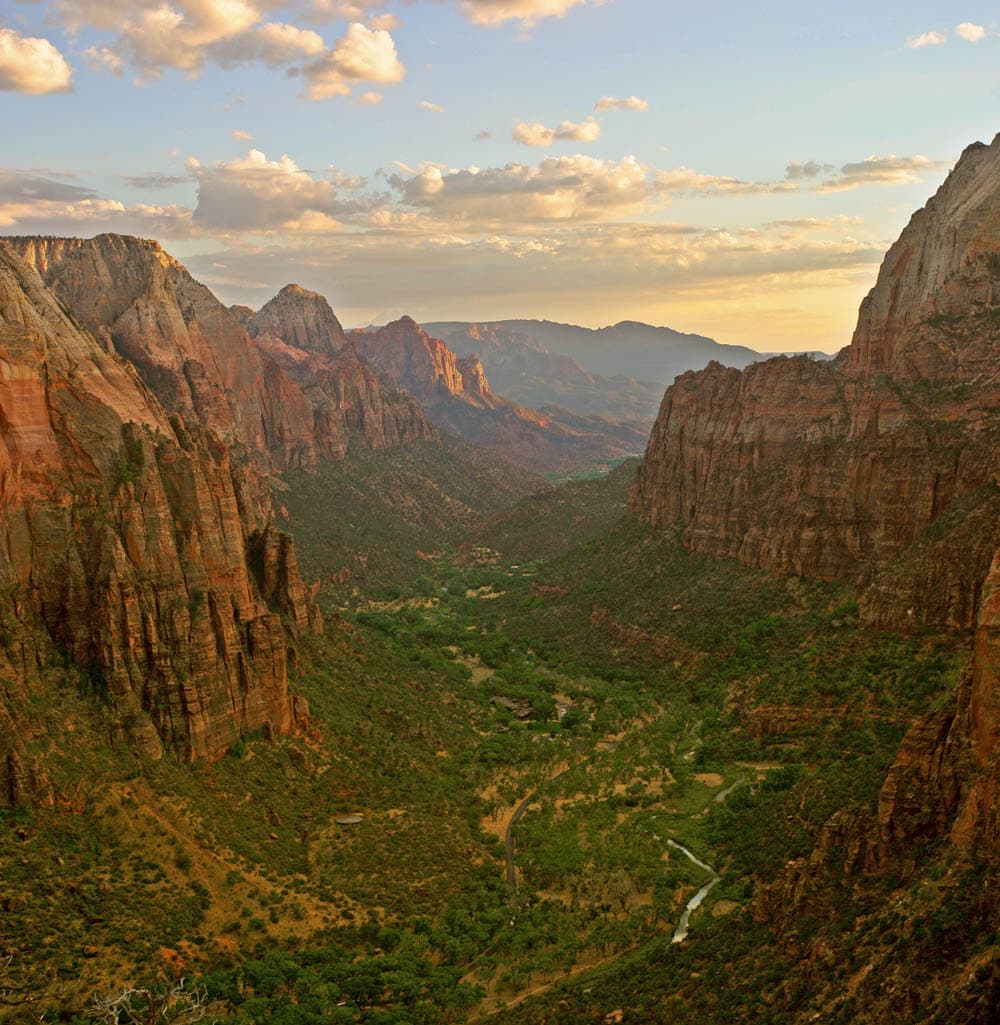
Zion is a slot canyon national park — the Virgin River carved red-and-white Navajo Sandstone walls up to 2,000 feet above the valley floor. It's the third most-visited U.S. park (4.5 million a year), which is why the Zion Canyon shuttle is mandatory April–November. Angels Landing's chained ridge requires a permit lottery and has killed hikers; the Narrows is a wade-up-river slot that closes on flash-flood days.