All Destinations
97 of 576 guides match
Sapporo
Japan
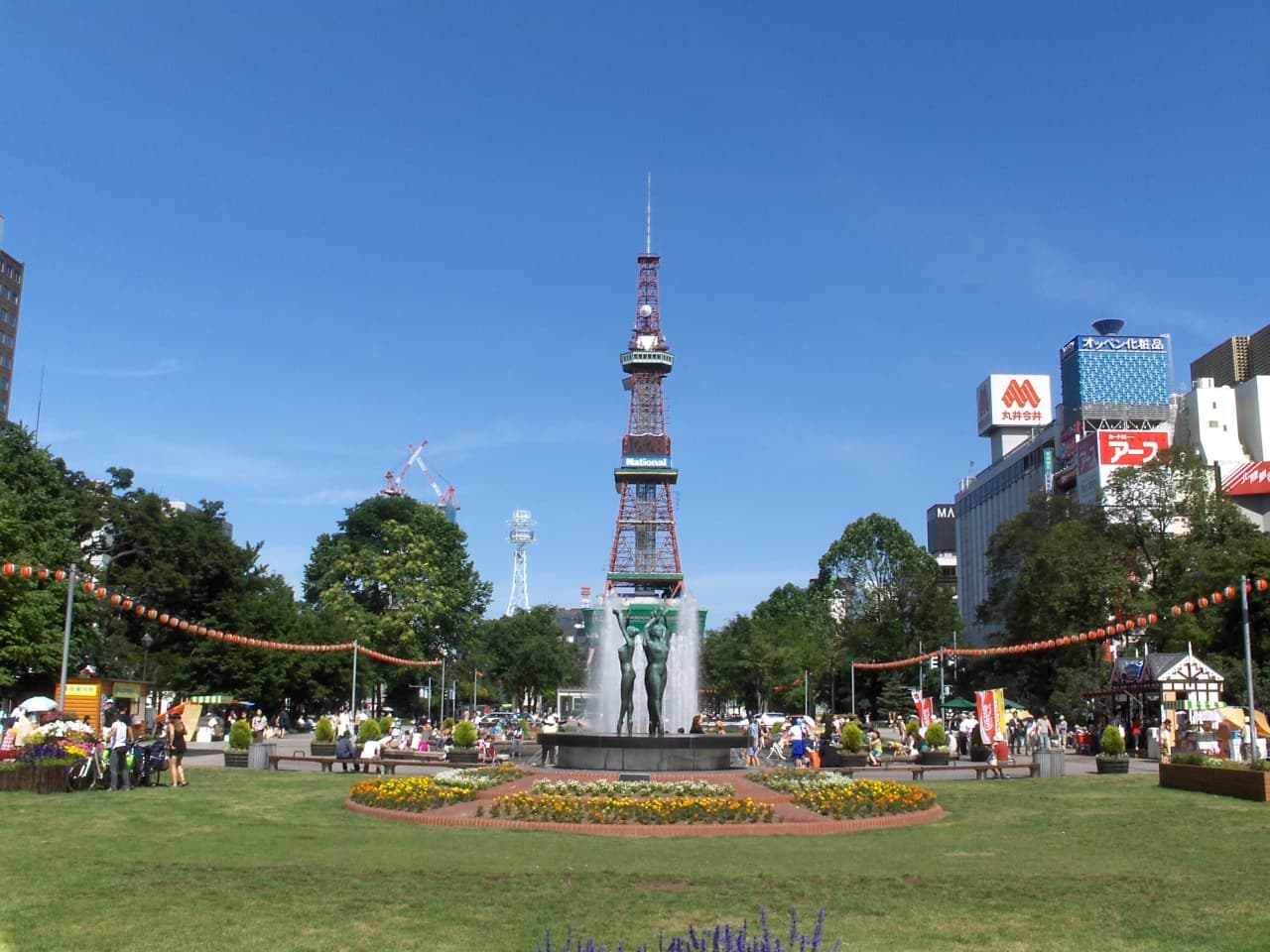
The capital of Hokkaido and Japan’s 5th-largest city — a 1.97-million-person grid laid out in 1869 with Boston-influenced street planning during Japan’s rapid Hokkaido colonisation, now the gateway to the country’s northernmost main island. Sapporo invented miso ramen (1955) and soup curry (1971); the Snow Festival every February draws 2+ million people to see 200+ massive snow and ice sculptures up to 15 m tall; Niseko’s premier-tier powder skiing is 90 minutes west; Susukino is Japan’s third-largest nightlife district after Tokyo’s Kabukicho and Osaka’s Dotonbori. Add the original Sapporo Beer Garden’s Genghis Khan jingisukan barbecue, the morning sushi at Nijo Market (Hokkaido seafood at half the Tokyo price), and Mount Moiwa’s sunset — one of Japan’s "Three Greatest Night Views".

Seoul
South Korea
Seoul is a high-octane blend of ancient palaces and K-pop culture, street food alleys and neon-lit shopping districts. The city moves fast — cutting-edge technology, 24-hour everything, and one of the world's best subway systems. Yet ancient hanok villages and serene temples exist just minutes from the buzz.

Shanghai
China
China's most cosmopolitan city dazzles with the futuristic Pudong skyline, historic Bund waterfront, and French Concession tree-lined streets. A global financial hub that blends old Shanghai charm with cutting-edge modernity, incredible food, and world-class art scenes.

Sharjah
United Arab Emirates
The UAE's third emirate and its self-styled cultural capital, sitting just 30 minutes north of Dubai but operating on a different frequency. Sharjah is a UNESCO Creative City home to the Sharjah Art Foundation and the Sharjah Biennial, with a restored Heart of Sharjah heritage quarter, Souq Al Arsah (one of the oldest in the UAE), and the cascading Ottoman-style domes of Al Noor Mosque on the Buhaira corniche. It is also a dry emirate with no alcohol and a more conservative dress code than its glassy neighbour, which is the trade-off for getting Emirati culture, museums, and pearl-diving heritage rather than rooftop pool clubs.

Siem Reap
Cambodia
Gateway to the magnificent Angkor Wat temple complex, Siem Reap is more than just temples. Pub Street nightlife, floating villages on Tonlé Sap lake, Cambodian cooking classes, and circus performances make it a destination in its own right.

Sigiriya
Sri Lanka
Sigiriya — Lion Rock — is a 200-metre granite monolith rising out of the central Sri Lankan jungle, with the ruined 5th-century palace of King Kashyapa I built across its summit. UNESCO inscribed it in 1982. The climb up takes 60–90 minutes via the giant lion's-paw stone gateway, the spiral staircase past the 1,500-year-old fresco maidens, and the polished mirror wall covered in graffiti from the 8th–10th centuries. The water gardens at the base are among the oldest landscaped gardens in Asia. The neighbouring Pidurangala Rock gives the best view of Sigiriya itself and is a far cheaper climb.

Singapore
Singapore
Singapore packs an extraordinary amount into a tiny island — futuristic supertrees next to colonial shophouses, Michelin-starred hawker stalls alongside luxury hotels. It's spotlessly clean, incredibly efficient, and home to one of the world's best food scenes. A melting pot of Chinese, Malay, Indian, and Western cultures.

Skardu
Pakistan
Baltistan's Indus-valley capital at 2,228m, ringed by 6,000m Karakoram walls and the launching ramp for K2, Concordia, and the Deosai Plains. The bazaar runs along Yadgar Chowk with cantilever wooden balconies and Balti tea houses; Shigar Fort restored by the Aga Khan Trust sits 30 km north on the Shigar River; Lower Kachura (Shangrila Resort) glints emerald against grey scree; and the road south climbs to Deosai National Park, the world's second-highest plateau at 4,114m. Tibetan-rooted Balti culture, Shia hospitality, and the calmest corner of northern Pakistan.

Sokcho
South Korea
A Pacific east-coast city wedged between the East Sea and Seoraksan, the most photographed mountain range in Korea — Daecheongbong tops out at 1,708 metres, the granite Ulsanbawi formation rises in six fused peaks above the cable car terminus, and Biryongpokpo waterfall threads through the inner park. The town itself runs along Sokcho Beach, the morning fish market at Daepo Port handles the live-octopus and red-snow-crab trade, and the old Russian-Korean Abai Village quarter at the harbour mouth is the only neighbourhood of its kind in Korea. Two and a half hours by express bus from Seoul.

Surabaya
Indonesia
Indonesia's second-largest city and East Java's industrial capital, a 3-million-strong port at the mouth of the Mas River that most travellers treat as a launchpad for Mount Bromo and Ijen Crater rather than a stop in itself. The Tugu Pahlawan (Heroes Monument) commemorates the 10 November 1945 Battle of Surabaya, the first major engagement of Indonesia's independence war, and Arab Quarter alleys behind Sunan Ampel mosque feel transplanted from Hadhramaut. Madura Bridge — Indonesia's longest at 5.4km — links the city to Madura island and its sapi sono cattle races. East Javanese rawon, lontong balap and rujak cingur define the food scene.

Suzhou
China
The 'Venice of the East' is just 30 minutes from Shanghai by high-speed train — a 2,500-year-old canal city that Marco Polo called 'the great and noble city' in 1276. Nine of Suzhou's classical gardens are inscribed on UNESCO's World Heritage list — the densest concentration anywhere on the planet, including the headlining Humble Administrator's Garden, Lingering Garden, Lion Grove, and Master of the Nets. The Pingjiang Road historic quarter preserves 800 years of Song-dynasty street planning along its parallel canal; the I.M. Pei-designed Suzhou Museum is an architectural pilgrimage. Add the historic capital of Chinese silk and Su xiu embroidery, the Tang-dynasty Hanshan Temple, and easy day trips to Tongli and Zhouzhuang water towns, and Suzhou is the deepest cultural day trip from Shanghai — and worth at least one overnight to see the gardens at dawn.

Tainan
Taiwan
Taiwan's oldest city, founded by the Dutch East India Company in 1624 and the island's capital for two centuries before Taipei was built. Locals say there are more temples per capita here than anywhere else in Asia — over 1,600 inside the city limits — and the food canon (danzai noodles, milkfish congee, coffin bread, beef soup) was largely invented within a few blocks of the old Anping Harbour. An hour and a half south of Taipei by High Speed Rail; quieter, slower, and unmistakably more historic than anywhere else on the island.

Taipei
Taiwan
Taipei is Asia's most underrated capital — legendary night markets (Shilin, Raohe), world-class museums (National Palace Museum), stunning mountain hikes (Elephant Mountain, Yangmingshan), and some of the friendliest locals you'll meet anywhere. The MRT is spotless and efficient, bubble tea was invented here, and the food scene is extraordinary.

Tashkent
Uzbekistan
Uzbekistan's modern capital is a gateway to the Silk Road, with Soviet-era metro stations that rival Moscow's, bustling Chorsu Bazaar, and increasingly excellent restaurants. The high-speed Afrosiyob train connects to Samarkand in just 2 hours.

Tbilisi
Georgia
Georgia's captivating capital tumbles down hillsides along the Mtkvari River with colorful leaning houses, sulfur baths, ancient churches, and one of the world's oldest wine traditions.

Tokyo
Japan
Tokyo is a city of striking contrasts where ultramodern skyscrapers stand alongside ancient temples. The world's largest metropolitan area pulses with energy across its distinct neighborhoods — from the neon-lit streets of Shinjuku and Shibuya to the serene gardens of the Imperial Palace. Expect world-class food at every price point, efficient transit that runs like clockwork, and a culture that seamlessly weaves tradition into daily life.

Udaipur
India
Rajasthan's "City of Lakes" is India at its most romantic — white-marble palaces ring Lake Pichola, with the Taj Lake Palace floating on its own island. Founded 1559 by Mewar king Maharana Udai Singh II. The City Palace is Rajasthan's largest, Bagore-ki-Haveli puts on a nightly folk-dance show, and the Monsoon Palace crowns the sunset hill. James Bond Octopussy filmed here. Day trip to Kumbhalgarh Fort (UNESCO, second-longest wall after China). Cleaner air and saner traffic than Delhi or Agra.

Ulaanbaatar
Mongolia
The world's coldest capital city (winter lows −40°C) holds roughly 45% of Mongolia's population on the steppe between Russia and China. Gandan Monastery with its 26m Buddha, Sükhbaatar Square, the Chinggis Khaan Equestrian Statue (40m stainless steel) an hour east, and Gorkhi-Terelj National Park 2 hours northeast for ger camps and Turtle Rock. Naadam Festival (July 11–13) is the peak cultural window — wrestling, horse racing, archery. Gateway to the Gobi Desert by train or flight. Best June–September.

Varanasi
India
One of the world's oldest continuously inhabited cities, Varanasi is the spiritual heart of Hinduism. The ghats along the Ganges, evening aarti ceremonies, and silk weaving tradition create an unforgettable experience.

Vientiane
Laos
Southeast Asia's most laid-back capital, Vientiane is a charming Mekong River city of golden stupas, French bakeries, and sunset cocktails along the riverside promenade. The golden Pha That Luang stupa is the national symbol and the Buddha Park is delightfully eccentric.

Vigan
Philippines
A UNESCO-listed Spanish colonial city on the Ilocos Sur coast of northwest Luzon, founded in 1572 and the best-preserved example of a planned colonial settlement in Asia. Calle Crisologo is the cobblestone showpiece — a strip of two-storey ancestral mestizo houses where horse-drawn calesas still clatter over the stones at sunset. Beyond Crisologo: the Bantay Bell Tower, the St Paul Metropolitan Cathedral, the Ilocano food canon of longanisa sausage and empanada, and the burnay clay-jar workshops. An hour by flight from Manila to Laoag, then 90 minutes by van south, or 8 hours direct by overnight bus.

Xi'an
China
China's ancient capital at the eastern end of the Silk Road — the Terracotta Army of Qin Shi Huang (8,000+ soldiers, discovered 1974) is humanity's greatest archaeological find of the 20th century. The Ming Dynasty City Walls (1370) form a 13.7km complete circuit you can cycle atop. Xi'an's Muslim Quarter has maintained a 1,300-year-old Hui community whose street food — roujiamo (Chinese burger), biangbiang noodles — is among China's best.

