Compare 576 Travel Destinations
576 guides — page 8 of 24
Foz do Iguaçu
Brazil
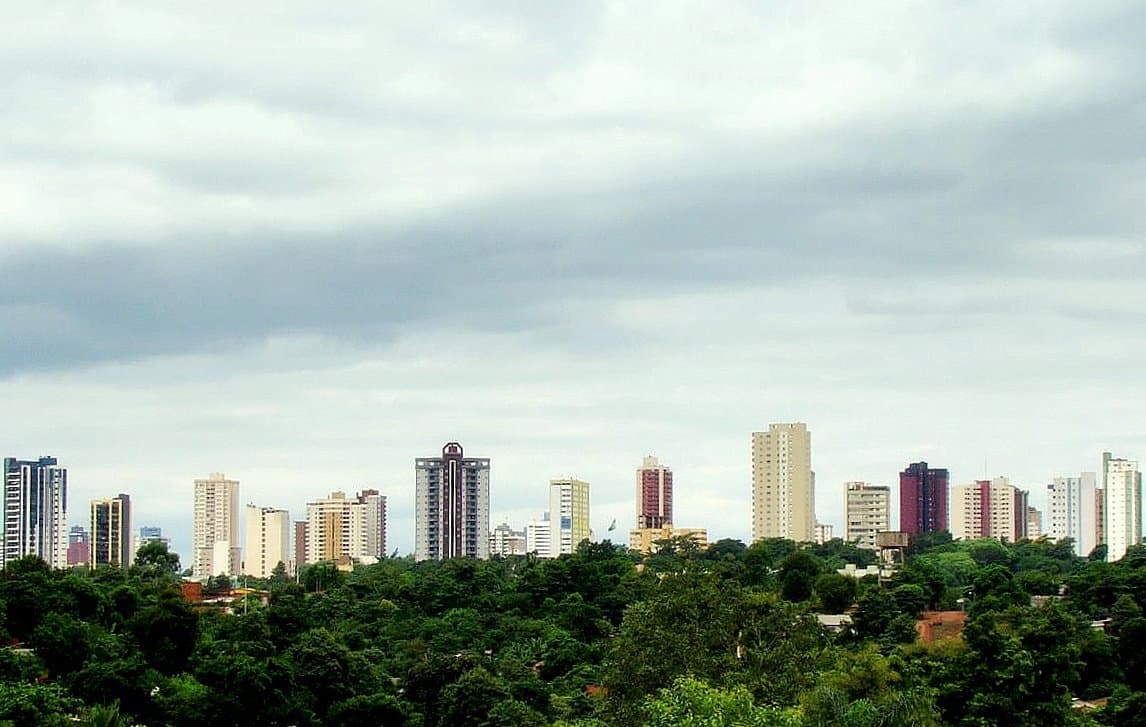
Foz do Iguaçu is the Brazilian launchpad for one of the planet's great spectacles — 275 individual waterfalls thundering across a 2.7 km horseshoe of basalt cliffs on the Paraná-Argentina border. The Brazilian side gives you the panoramic, postcard view of the falls (Argentina's side puts you on top of them, and most travellers do both). Beyond the cataratas, the city is the Tríplice Fronteira where Brazil, Argentina, and Paraguay meet, home to the Itaipu hydroelectric dam (the second-largest in the world) and a surprisingly diverse Lebanese-Brazilian-Paraguayan food scene built around shawarma, churrasco, and Paraguayan chipa.

Frankfurt
Germany
Germany's only true skyline city — home to the European Central Bank and a financial district nicknamed Mainhattan that puts a dozen 200-metre-plus towers along the Main River. The flip side sits across the river in Sachsenhausen, where Apfelwein taverns serve cloudy fermented apple wine in ribbed Geripptes glasses with handkerchief-pattern Bembel jugs. Römerberg square holds the half-timbered city hall, the Goethe House recreates the writer's birthplace room by room, and FRA airport pushes 65 million passengers a year through Europe's third-busiest hub — most travellers' first or last German city.

Galápagos Islands
Ecuador
Darwin's living laboratory — volcanic islands where giant tortoises, marine iguanas, blue-footed boobies, and sea lions exist without fear of humans. A bucket-list wildlife destination.
Galle
Sri Lanka
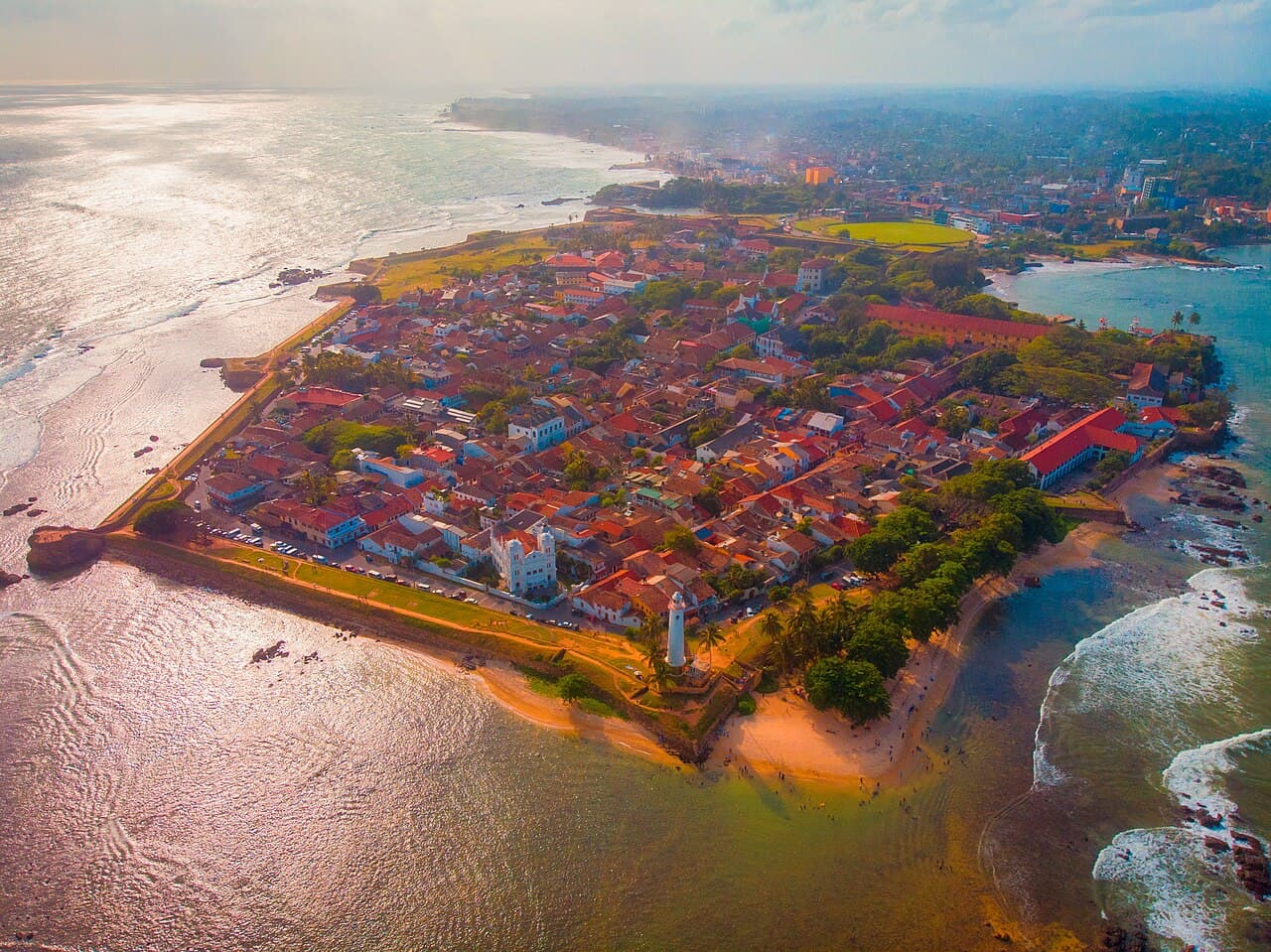
Galle is the Dutch-built fortified port on Sri Lanka's south coast — a 36-hectare walled town inside 17th-century granite ramparts that survived both colonial sieges and the 2004 tsunami almost untouched. UNESCO listed Galle Fort in 1988 as the best-preserved European-built fortified town in South Asia. Inside the walls, gridded streets are lined with white-washed Dutch and British colonial houses, churches, the 1939 lighthouse, and a wave of boutique cafés, design shops, and small hotels that have turned the fort into Sri Lanka's most stylish weekend escape. The southern beaches — Unawatuna, Mirissa, Weligama — are 15–40 minutes east.

Galway
Ireland
Ireland's festival capital and gateway to the wild west — the Latin Quarter and Shop Street have been a trading hub since the 14th century. The Aran Islands (Inis Mór's Dún Aonghasa cliff fort is 3,500 years old) are 45 minutes by ferry. Connemara's mountains and Kylemore Abbey are an hour's drive. The Crane Bar has hosted traditional music every night for decades.

Garden Route
South Africa
300km of South Africa's southern Cape coast between Mossel Bay and Storms River — a forested, lake-stitched, lagoon-laced ribbon between the Outeniqua and Tsitsikamma mountain ranges and the Indian Ocean. The drive itself (the N2 highway) is the trip: Wilderness National Park's beaches and lakes, Knysna's spectacular Heads (cliff-bound estuary mouth), Plettenberg Bay's white-sand resort beaches and dolphin spotting, Tsitsikamma's ancient yellowwood forests and Storms River suspension bridge, and Bloukrans Bridge's 216m bungee jump (world's highest from a bridge). Garden Route National Park spans three sections (Wilderness, Knysna, Tsitsikamma); Mediterranean climate makes November-April peak with no malaria. Most travellers self-drive over 4-7 days; George Airport (GRJ) is the western anchor.

Gatlinburg
United States
Gatlinburg is a 4,000-person mountain resort town wedged into a Tennessee river valley right at the main entrance to Great Smoky Mountains National Park, the most-visited national park in the country at 13 million-plus visitors a year. The walkable Parkway downtown packs taffy shops, moonshine tasting rooms, ski-lift bases, and the SkyLift Park up to a 680-foot pedestrian suspension bridge (the longest in North America) all in eight blocks. Pigeon Forge and Dollywood are five miles north along US-441, and the Roaring Fork Motor Nature Trail loops 5.5 miles through old-growth forest just east of town. Closest airport is Knoxville (TYS, 1 hour 15 minutes northwest).

Gdańsk
Poland
The great Hanseatic port at the mouth of the Vistula — narrow Dutch-gabled merchants' houses crowd the Long Market (Długi Targ) under Neptune's Fountain, and the brick crane (Żuraw) still squats on the Motława waterfront where ships once loaded amber and grain. Almost everything you see was rebuilt brick-by-brick after 1945 (the Old Town was 90% flattened). The European Solidarity Centre at the old Lenin Shipyard tells the story of how Poland's 1980 strikes brought down the Eastern Bloc; Westerplatte, where WWII began on 1 September 1939, is a tram ride away. Sopot's pier and Baltic beaches sit 20 minutes north on the SKM commuter train.

Geneva
Switzerland
Switzerland's French-speaking diplomatic capital on the western tip of Lake Geneva, home to the UN's European headquarters, the Red Cross, the WHO, the WTO, and roughly 40 percent of Geneva's residents being foreign nationals. The 140 m Jet d'Eau plumes from the lake's edge as the city's signature image, the medieval Old Town climbs to St. Pierre Cathedral where Calvin preached, and CERN sits 8 km west on the French border. Expensive even by Swiss standards, with a watch-and-chocolate shopping district that rivals Zurich's.
Ghent
Belgium
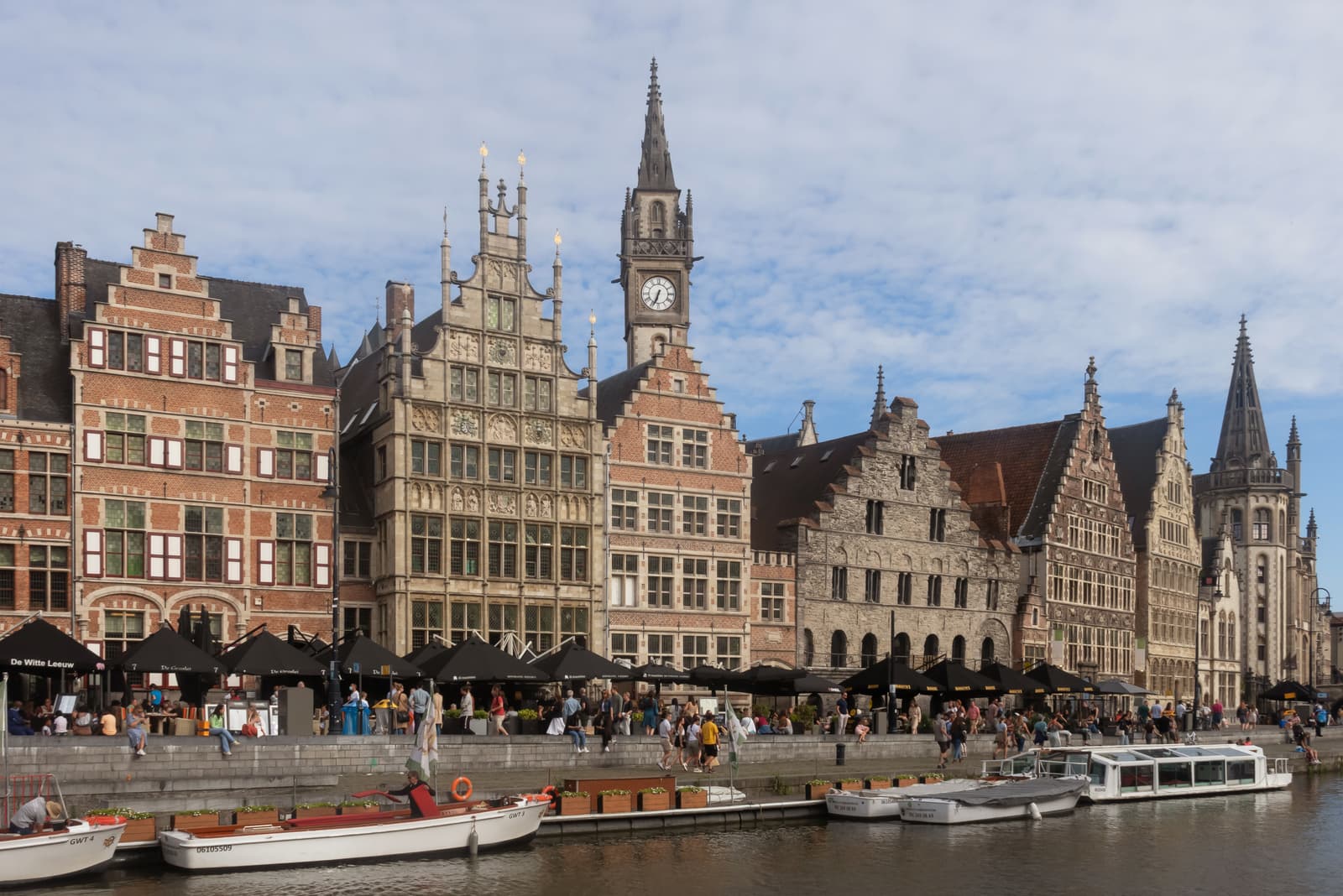
Belgium's best-kept secret — a medieval canal city with Gravensteen castle, the Ghent Altarpiece masterpiece, a thriving student scene, and all the beer and chocolate you'd expect, minus the Bruges crowds.
Gili Islands
Indonesia
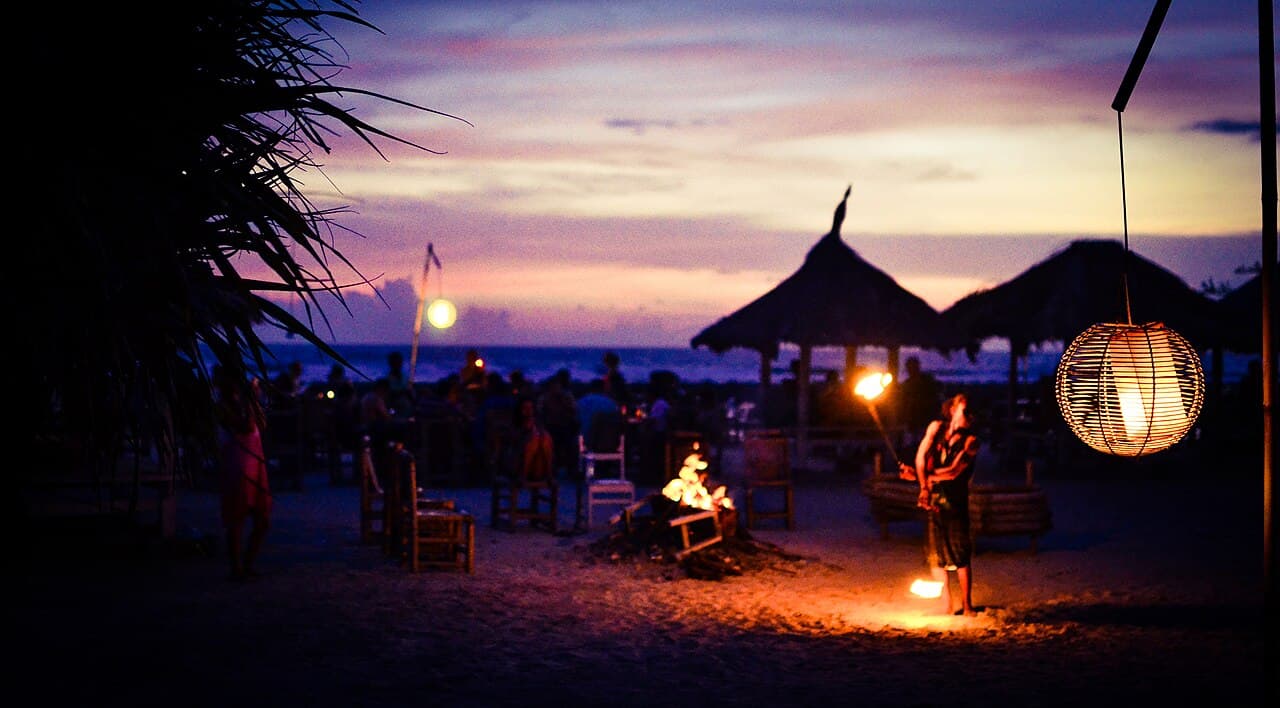
Three tiny islands off Lombok's northwest — Gili Trawangan (party), Gili Meno (honeymoon), and Gili Air (balance). Zero motorized vehicles: walk, bike, or pony cart. Turtles guaranteed on the snorkel, diving world-class, Bintang at sunset swings. 2-hour fast boat from Bali Padangbai or 20-minute public ferry from Lombok Bangsal.

Glacier National Park
United States
Northern Montana's crown — a million acres of jagged peaks, ice-blue lakes, and dwindling glaciers (26 left, down from 150 in 1850). The Going-to-the-Sun Road across Logan Pass is one of the world's great drives, open only late June through mid-October. Grizzlies are serious here — bear spray isn't optional. Amtrak's Empire Builder actually stops at the park, a rarity for U.S. national parks.

Goa
India
India's smallest state packs in golden beaches, Portuguese colonial churches, spice plantations, and a laid-back tropical vibe that draws backpackers and luxury seekers alike.

Gobi Desert
Mongolia
The Gobi is one of the world's last great empty wildernesses — 1.3 million km of arid steppe, rocky outcrops, and gravel pans straddling southern Mongolia and northern China, ranked the fifth-largest desert on Earth. Only about 5 percent is true sand sea, but the dunes that do exist are spectacular: Khongoryn Els (the Singing Sands) climbs to 200 metres along 100 kilometres of the Gurvan Saikhan range. The Mongolian Gobi delivers three flagship sights — the Singing Sands, ice-filled Yolyn Am canyon, and the rust-coloured Bayanzag Flaming Cliffs where Roy Chapman Andrews unearthed the first dinosaur eggs in 1923. Bactrian camels, ger-camp nights under a black sky, and 4WD steppe drives define the trip.
.jpg%3Fwidth%3D1280&w=1600&q=75)
Gothenburg
Sweden
Sweden's second city and largest port, founded by Dutch engineers in 1621 and still organised around their canal grid — a working harbour with a softer, friendlier feel than Stockholm, plus the country's best concentration of fish-market food, the wooden-house quarter of Haga, and Liseberg, the largest amusement park in Scandinavia. The Volvo and SKF factories anchor a strong industrial economy, but the visitor draws are the Feskekorka fish-market church on the canal, fika in the wooden cafes of Haga, and a half-day's boat hop to the car-free islands of the southern archipelago. Direct SJ high-speed trains reach Stockholm in 3 hours and Copenhagen in 3 hours 30.

Granada
Nicaragua
Central America's oldest colonial city on the shores of Lake Nicaragua. Colorful Spanish-era architecture, volcano views, and island-hopping in Las Isletas — at backpacker-friendly prices.

Granada
Spain
The Alhambra is the most visited monument in Spain — and justifiably so. The 14th-century Nasrid Palace complex, with its Generalife gardens cascading down the hillside above the whitewashed Albayzín quarter (both UNESCO), represents the pinnacle of Islamic art in the West. Granada was the last Moorish kingdom in Europe, falling to Ferdinand and Isabella in 1492, the same year Columbus sailed. One more gift: Granada is one of the last Spanish cities where tapas are still served free with every drink.

Grand Canyon National Park
United States
One of the planet's most familiar landscapes still lands the first time you walk up to Mather Point. The canyon is 277 miles long, a mile deep, and took the Colorado River roughly six million years to carve. South Rim (open year-round, 90% of visitors) is where most trips happen; North Rim is 10% of the traffic and closed half the year. The rule on Bright Angel: down is optional, up is mandatory.

Great Barrier Reef
Australia
The Great Barrier Reef is the largest coral reef system on Earth — visible from space and home to an incredible diversity of marine life. Snorkeling and diving among the coral gardens, manta rays, and sea turtles is unforgettable. Cairns and Airlie Beach are the main gateway towns, and the Whitsunday Islands offer stunning white sand beaches alongside the reef.

Great Smoky Mountains National Park
United States
The most-visited national park in the U.S. — 13 million visitors a year, more than double #2 — and still free to enter (parking tag since 2023). 522,000 acres of Appalachian rainforest straddle the TN/NC line, with more tree species than all of Europe, 1,500+ black bears, and the world's only predictable synchronous firefly display in June. Cades Cove at dawn is the wildlife jackpot; the kitsch in Gatlinburg is its own experience.

Guadalajara
Mexico
Mexico's second city and the capital of Jalisco, a 5-million metro that gave the country mariachi, tequila and the charreria rodeo. The historic centre runs from the twin-spired Cathedral past the Hospicio Cabanas, a UNESCO-listed neoclassical orphanage whose chapel ceiling is covered in Jose Clemente Orozco's 1939 frescoes including the Man of Fire. Tlaquepaque and Tonala sit on the southeast edge as artisan neighbourhoods of pottery, blown glass and Saturday markets. The town of Tequila is an hour west by tequila-themed train through fields of blue agave. GDL airport handles direct flights from most major US hubs.

Guanajuato
Mexico
Guanajuato is the Mexican silver-mining city that became a multicoloured riot — pink, ochre, mint, and lemon-yellow houses tumbling up the hillsides of a narrow ravine, with most of the city's traffic underground in 18th-century mine tunnels that were repurposed for cars. UNESCO inscribed the historic centre and the surrounding mines in 1988. The university (founded 1732) keeps the streets young; Diego Rivera was born here in a townhouse that's now a museum; the El Pípila monument on the hilltop gives you the photogenic panorama; and on weekend evenings the callejoneadas — student musicians in 17th-century costume leading wine-soaked walking serenades through the back alleys — are the warmest way to experience the city.

Guangzhou
China
The capital of Cantonese cuisine and culture, Guangzhou is a megacity where dim sum reigns supreme. The Pearl River night cruise, Chen Clan Ancestral Hall, and bustling Shangxiajiu Pedestrian Street showcase the city's blend of tradition and modernity.

Guilin
China
The karst-peak landscape that appears on China's 20-yuan banknote — the most photographed natural scenery in China, draped in mist along the Li River and the smaller Yulong tributary. The 4-5 hour Li River cruise from Guilin downstream to Yangshuo (83 km) passes the iconic Xianggong Hill viewpoint and the Ming-dynasty fishing village of Xingping; National Geographic ranked it among the world's top ten watery wonders. Add the 1,300-year-old cormorant fishing tradition, the 700-year-old Longji rice terraces (golden in September, mirror-flooded in May), the labyrinthine Reed Flute Cave, the Zhuang and Yao minority cultures, and the relaxed backpacker scene of Yangshuo's West Street, and Guilin is the most photogenic destination in southern China.