All Destinations
576 guides — page 18 of 24

Pokhara
Nepal
Nepal's adventure capital sits at 830m on Phewa Lake with the Annapurna massif filling the horizon — Annapurna I (8,091m), the sacred unclimbed Machhapuchhre Fishtail (6,993m), and Dhaulagiri all visible from town on a clear morning. Lakeside (Baidam) is the laid-back tourist district — paragliding from Sarangkot is world-class. Trek launch point for Annapurna Circuit, ABC, and Poon Hill. The new Pokhara International Airport opened 2023. Domestic flight from Kathmandu is 25 minutes.
Portland
United States
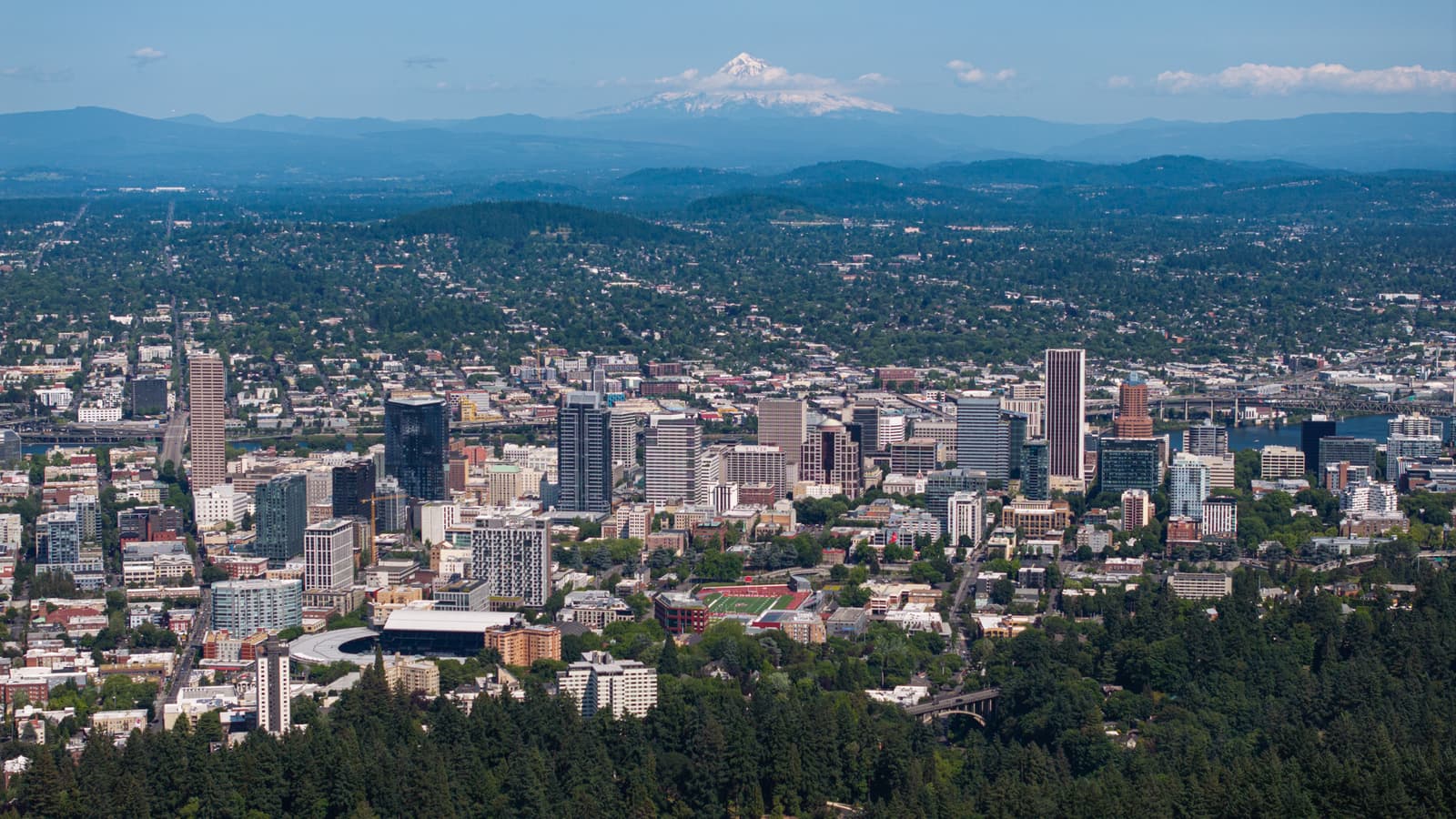
Portland is still weird, still rainy, and still one of the best small food + beer + coffee cities in America — though its downtown is in real transition since 2020. Powell's City of Books anchors the west side, food cart pods dot every neighborhood, Forest Park is a 5,200-acre wilderness in the city, and Mt. Hood plus the Columbia River Gorge are 45 minutes east.

Porto
Portugal
Porto is Lisbon's grittier, more authentic northern sibling — a UNESCO-listed riverside city of blue-tiled churches, port wine cellars, and medieval alleyways. The Ribeira waterfront is stunning, the Livraria Lello bookshop inspired Harry Potter, and a port wine tasting in Vila Nova de Gaia is essential. Outstanding value with incredible food.

Positano
Italy
A vertical village of pastel houses tumbling 300 metres down an Amalfi Coast cliff face above the Tyrrhenian Sea — pedestrian-only, no flat ground anywhere in the historic centre, and stairs serving as the primary streets. Spiaggia Grande's dark grey volcanic pebbles framed by stacked pastel facades is the iconic photograph; the 10th-century church of Santa Maria Assunta with its gold-and-green majolica dome anchors the village; and the Sentiero degli Dei (Path of the Gods) cliff-top trail unfolds 500 metres above. UNESCO-listed Amalfi Coast, made-to-measure leather sandals on Via Pasitea, and the most photogenic Italian fishing-village-turned-romance-destination of them all.

Prague
Czech Republic
Prague is a fairy-tale city that somehow survived centuries of war intact. Gothic spires, baroque palaces, and art nouveau facades line cobblestone streets. The beer is world-class and cheaper than water, the food is hearty and satisfying, and the Charles Bridge at dawn is one of Europe's most magical experiences.

Provence
France
The first Roman province outside Italy (Provincia Romana, 121 BCE) and the lavender-and-ochre southeast of France — a region rather than a single city, comprising Avignon's Palais des Papes (the largest Gothic palace in Europe, seat of seven popes 1309–1376), Aix-en-Provence's plane-tree boulevards and Cézanne's Mont Sainte-Victoire, and the Luberon hill villages of Gordes, Roussillon, Bonnieux, and Ménerbes. The Plateau de Valensole's 800 km² of cultivated lavender produces half of France's crop and peaks for three weeks in late June through mid-July; outside that window the fields are green or dormant. Roman engineering survives at the Pont du Gard aqueduct and the Arles Arena (still hosting bullfights), and Europe's deepest canyon — the 700-metre Verdon Gorge — runs 25 km through limestone with a turquoise river at the bottom. Gateway airport: Marseille (MRS).
Pucón
Chile
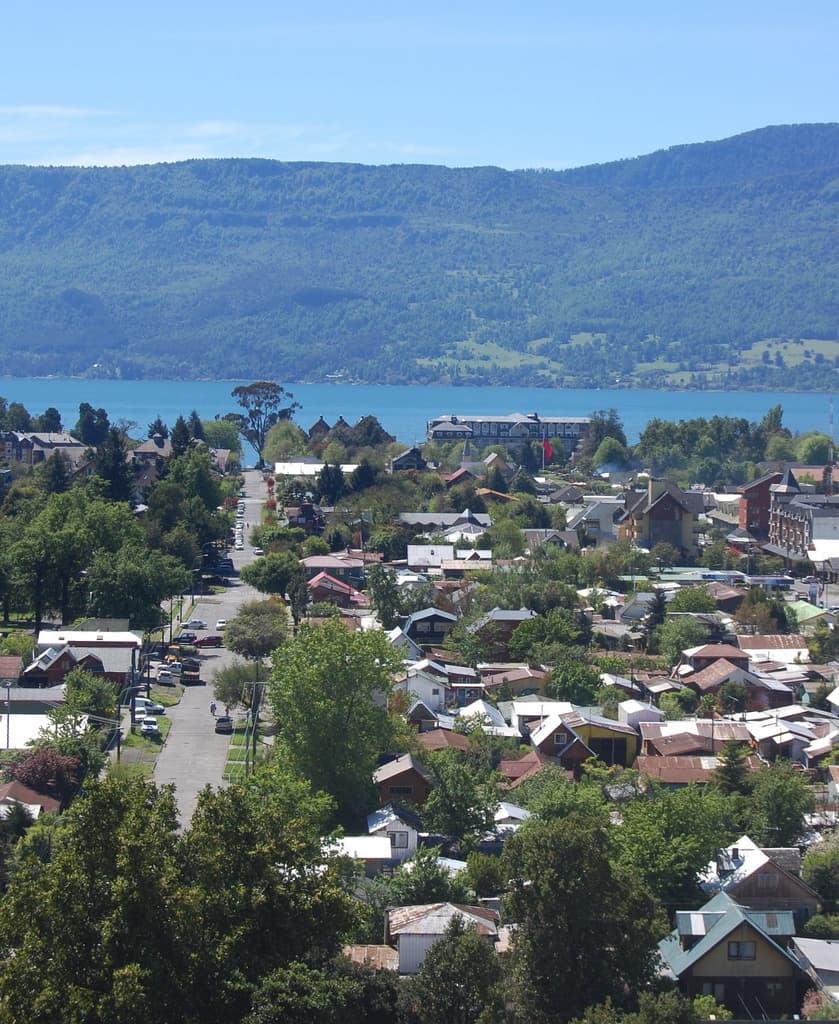
A lakeside resort town in Chile's northern Patagonia — sat at the foot of Volcán Villarrica, one of the world's most active volcanoes (you can climb it in summer and look into a glowing lava lake at the summit). Lago Villarrica's beaches are black volcanic sand, the Termas Geométricas hot springs are a 75-minute drive into Andean rainforest, and Mapuche communities still hold the surrounding land. Adventure capital of Chile: rafting the Trancura, climbing Villarrica, and white-water everything.

Puerto Natales
Chile
The Chilean Patagonia gateway to Torres del Paine, set on the milky-blue Última Esperanza Sound, three hours south of the park entrance by paved road. Once a wool-export port, Puerto Natales now turns over almost entirely on the W trek, the O circuit, and the Navimag four-day fjord ferry that arrives from Puerto Montt twice a week. Eberhard Avenue and Calle Bories make up the compact restaurant and brewpub strip, with Baguales microbrewery, Kau Lodge fireplaces, and outfitters renting tents and stoves on every block. Mylodon Cave 24 kilometres north preserves the giant ground sloth fossil that gave Bruce Chatwin his trip-opening pretext for In Patagonia.

Puerto Vallarta
Mexico
A Pacific resort town on Banderas Bay where the Sierra Madre tumbles directly into the sea — 1.5 km of sculpture-lined Malecón, the cobblestoned Romantic Zone with its crown-towered Our Lady of Guadalupe Church, and 42 distinct beaches around the bay from family-friendly Los Muertos to roadless Yelapa to the offshore Marietas Islands' Hidden Beach. Hollywood put Puerto Vallarta on the map when John Huston filmed The Night of the Iguana here in 1963 with Burton and Taylor; it has since become Latin America's most LGBTQ+ friendly destination. Tourist infrastructure is excellent and English widely spoken; humpback whales calve in the bay December-March. The all-inclusive Hotel Zone is generic; the Romantic Zone is where Vallarta's charm actually lives.

Pula
Croatia
The biggest city on Croatia's Istrian peninsula, anchored by the Pula Arena — the 6th-largest surviving Roman amphitheatre on earth and one of only six anywhere with all four side towers still standing. Built in the 1st century under Vespasian, the limestone oval still hosts summer concerts and the Pula Film Festival every July. Around it sit the Temple of Augustus on the Forum, the Triumphal Arch of the Sergii and a working harbour. Pula is also the gateway to Brijuni Islands National Park and the heart of Istria's truffle and olive oil country. About 2 hours by car from Trieste.

Puno
Peru
Puno sits on the Peruvian shore of Lake Titicaca at 3,827m (12,556 ft) — the highest navigable lake in the world and the second-largest in South America. The city itself is a brick-and-corrugated-iron working port that most travelers use as a base for two boat trips: the Uros floating reed islands (man-made platforms of bundled totora reeds, inhabited by ~2,000 Uros people who built them centuries ago to escape Inca and then Colla incursions) and the Quechua-speaking weaving island of Taquile. Add the pre-Inca chullpa burial towers at Sillustani (40 km north) and the cross-border bus to La Paz, Bolivia, and Puno earns its 1-2 nights for travelers heading south.

Pushkar
India
A small Hindu pilgrimage town in central Rajasthan built around a sacred lake ringed by 52 ghats and dominated by the only major Brahma temple in India - the rare temple to the creator god in a country that overwhelmingly favours Vishnu and Shiva. Pushkar is a strict vegetarian and alcohol-free zone year round, anchoring a slow backpacker scene of rooftop cafes and Aravalli sunset hikes for most of the calendar. Once a year, on the November full moon, the desert outside town fills with the Pushkar Camel Fair: 50,000-plus camels, horses, and cattle traded over five days in the year's flagship Rajasthani spectacle. Ajmer railhead is 30 minutes east.

Quebec City
Canada
The only fortified city north of Mexico — Old Quebec (UNESCO) is a living 17th-century French colonial town perched on the St. Lawrence clifftops. The Château Frontenac is the world's most photographed hotel. Carnaval de Québec is North America's largest winter festival. French is the heartbeat of this city, which feels more like Brittany than Toronto.

Queenstown
New Zealand
Queenstown is the adventure capital of the world — bungee jumping was invented here, and the stunning Southern Alps and Lake Wakatipu provide the backdrop for everything from skiing to skydiving. Beyond the adrenaline, there's a sophisticated food and wine scene, and Milford Sound is a day trip away. New Zealand's most photogenic town.

Quito
Ecuador
Ecuador's Andean capital sits at 2,850m on the equator — the highest official capital in the world. Its colonial Old Town (UNESCO 1978) is among Latin America's best-preserved, with golden baroque churches like La Compañía de Jesús and the cobblestone La Ronda block. The TelefériQo gondola climbs Pichincha volcano to 4,100m, and the Mitad del Mundo straddles 0°0'0". Gateway to Galápagos and the Amazon.

Rabat
Morocco
Morocco's capital since 1912 and a UNESCO World Heritage Site since 2012 — a city that feels both imperial and restrained. The 12th-century Hassan Tower overlooks the Mausoleum of Mohammed V; the Kasbah of the Udayas descends in cobbled blue-and-white alleys to the Atlantic; Chellah is a Roman-Islamic ruin where storks nest on 14th-century Merenid minarets. Rabat is the antidote to Marrakech chaos — cleaner, calmer, and much less targeted at tourists.

Railay
Thailand
Technically a peninsula on mainland Thailand (Krabi Province) but the towering limestone karst cliffs cut it off from road access — the only way in is by longtail boat (10–15 minutes from Ao Nang, 45 minutes from Krabi Town). No cars, no scooters, no traffic, and a small-island feel that makes Railay Thailand's most beach-paradise mainland destination. It is one of the world's most legendary rock-climbing destinations, with over 700 bolted routes split between Railay East, Tonsai, and Phra Nang Beach across grades from 5a to 8c. Phra Nang Cave at the southern tip contains a 'Princess Cave' shrine where local fishermen leave wooden phallus offerings (lingam) to the spirit of a princess believed to bestow fertility. The four beaches sit within 15 minutes' walk of each other but feel dramatically different — Railay West for postcard sunsets, Railay East as the climbing-and-mangrove backside, Phra Nang Beach (the most beautiful), and Tonsai (rougher, backpacker climbing zone). Closest airport: Krabi (KBV), 25 minutes by car to Ao Nang.

Raja Ampat
Indonesia
The highest marine biodiversity on Earth — 1,500 fish species, 700 molluscs, and 600+ coral species inhabit these four islands and 1,500 islets in West Papua. Cape Kri holds the world record for fish species counted in a single dive (374). The Pianemo viewpoint — karst limestone islands dotting a turquoise lagoon — is one of the most photographed landscapes in the world.

Raleigh
United States
Raleigh is North Carolina's state capital and the southern point of the Research Triangle (Raleigh – Durham – Chapel Hill) — three universities (NC State, Duke, UNC) and the Research Triangle Park anchor one of the densest concentrations of PhDs in America. Downtown is built around the 1840 NC State Capitol, the free North Carolina Museum of Natural Sciences (the largest natural-history museum in the Southeast), the NC Museum of Art's outdoor sculpture park, and Fayetteville Street's restaurants and bars. The college-town energy from NC State (37,000 students) means the food scene punches well above a city this size, and the surrounding Triangle area gives you Durham's renovated tobacco district and Chapel Hill's basketball.

Reykjavik
Iceland
The world's northernmost capital is a tiny, colorful city that punches way above its weight. Reykjavik is the base for Iceland's otherworldly landscapes — the Golden Circle, Blue Lagoon, northern lights, and glacier hikes are all accessible as day trips. The city itself has excellent restaurants, a lively bar scene, and that unmistakable Nordic cool.

Rhodes
Greece
The largest of the Dodecanese (1,400 km², 90K residents) wraps a UNESCO Old Town that’s the largest inhabited medieval town in Europe — 4 km of intact Knights Hospitaller walls, the Street of the Knights, and the Palace of the Grand Master. Plus the cliff-top Acropolis of Lindos above twin azure bays, the Valley of the Butterflies (June–September Jersey tiger moths in the millions), the Acropolis of Rhodes on Monte Smith, Mandraki Harbour where the Colossus once stood, and 220 km of beaches along both Meltemi-cooled western and calm eastern coasts.

Riga
Latvia
Latvia's capital holds the world's finest collection of Art Nouveau architecture — over 800 buildings along Alberta iela and Elizabetes iela, designed in the early 1900s when Riga was the Russian Empire's third-largest city. The UNESCO Old Town (Vecrīga) has medieval guild halls and the House of the Blackheads; the Central Market occupies repurposed Zeppelin hangars. A Baltic gem that delivers a serious European city for budget prices.

Rio de Janeiro
Brazil
Rio de Janeiro is one of the world's most dramatic cities — Christ the Redeemer watches over a landscape of granite peaks, tropical forest, and golden beaches. Copacabana and Ipanema are iconic, the Carnival is legendary, and the carioca lifestyle of samba, beach volleyball, and acai bowls is infectious. A city that pulses with energy.

Rishikesh
India
The self-styled Yoga Capital of the World sits where the Ganges descends from the Himalayas into the plains of north India — 280+ ashrams, 100+ yoga schools, the iconic Lakshman Jhula and Ram Jhula suspension bridges, and the abandoned Beatles Ashram (Chaurasi Kutia) where Lennon, McCartney, Harrison, and Starr wrote much of the White Album in February-April 1968. The entire city is officially vegetarian and alcohol-free by municipal law. Add white-water rafting on the Class III-IV upper Ganges, the nightly Ganga Aarti fire ceremonies at Triveni Ghat and Parmarth Niketan, and the spectacular setting in the Himalayan foothills, and Rishikesh is the most spiritually distinctive destination in India that doesn't require pilgrim-level commitment.