All Destinations
27 of 576 guides match
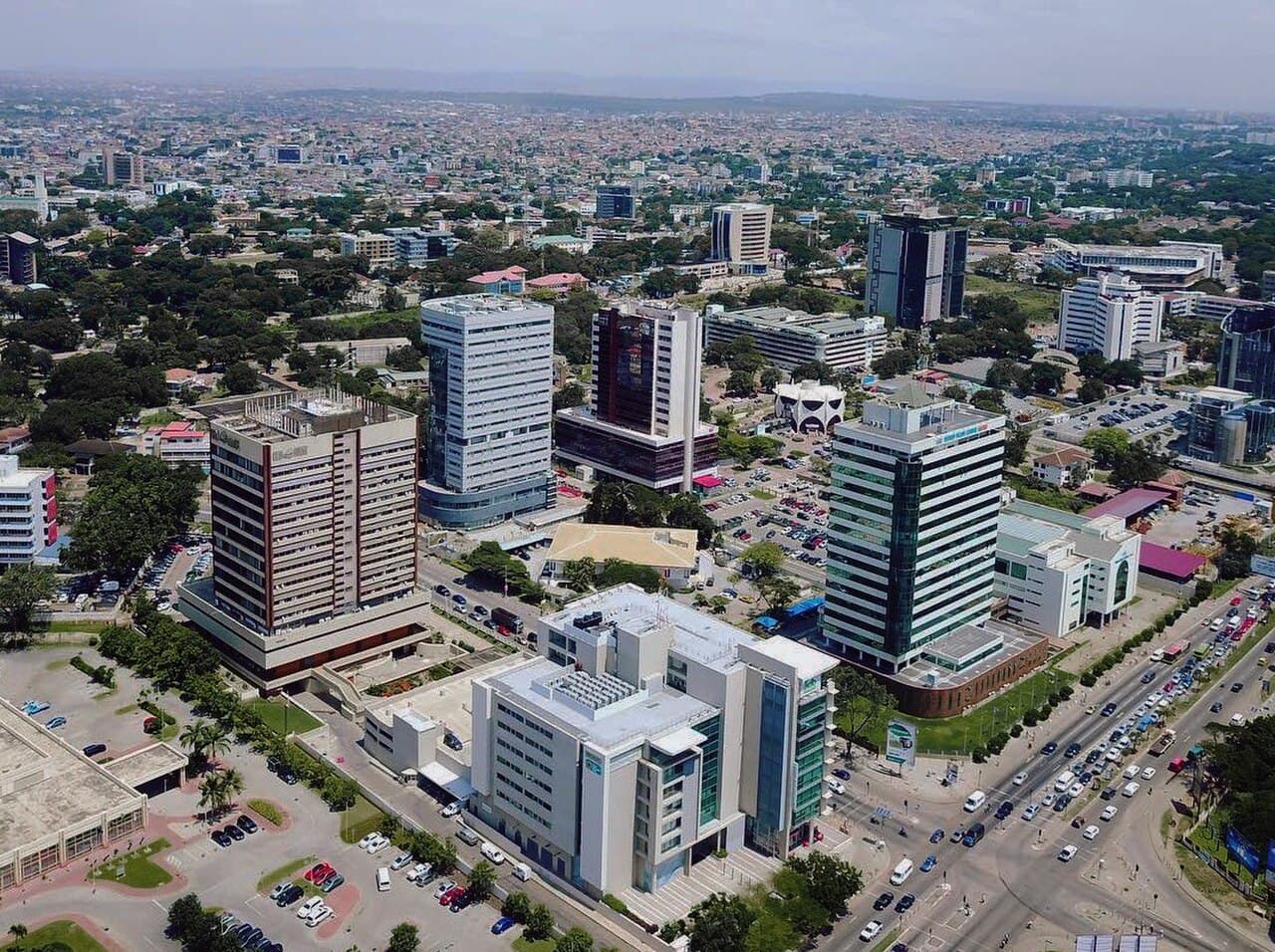
Accra
Ghana
West Africa's most welcoming capital — vibrant markets, historic Jamestown, lively beach bars, and world-class jollof rice. Gateway to Cape Coast castles and Kakum rainforest canopy walks.

Addis Ababa
Ethiopia
Addis Ababa is the diplomatic capital of Africa and the birthplace of coffee culture. Sitting at 2,355 m elevation, this high-altitude capital houses the Lucy fossil at the National Museum, the sprawling Merkato market, Holy Trinity Cathedral, and the African Union headquarters. A gateway to Ethiopia's extraordinary historic northern circuit — Lalibela, Gondar, and the Simien Mountains.

Agadir
Morocco
Morocco's premier beach resort city — completely rebuilt after the catastrophic 1960 earthquake that killed a third of its population — now stretches along a 10km crescent of soft Atlantic sand backed by promenade hotels, riad-style resorts, and an artificial marina. Less culturally dense than Marrakech or Fez but more relaxed and family-friendly: 300+ days of sunshine, year-round 18-28°C, and consistent surf at nearby Taghazout (45min north) which has become a global longboard pilgrimage. The hilltop Kasbah ruins (rebuilt walls only — interior never restored) overlook the bay; the Souk El Had is North Africa's largest market with 6,000+ stalls; Paradise Valley palm oasis and Crocoparc are easy half-day trips. Population ~600K including greater area.

Alexandria
Egypt
Egypt's second city and the Mediterranean's great Levantine port - founded in 331 BC by Alexander the Great, capital of the Ptolemies, home of Cleopatra, the Pharos lighthouse, and the original Library that for centuries was the brain of the ancient world. Modern Alexandria is a 5-million-strong waterfront city of crumbling Belle Epoque facades, the 2002 Bibliotheca Alexandrina (a 172-million-euro modernist reincarnation of the lost Library), the Catacombs of Kom el Shoqafa, the 15th-century Qaitbay Citadel built on the lighthouse foundations, and a humid sea breeze that feels nothing like the Sahara three hours south.

Aswan
Egypt
Egypt's southernmost city sits at the First Cataract of the Nile, where the river narrows around granite islands and the Sahara meets Nubian sandstone. Once the ancient frontier town of Swenett guarding Pharaonic Egypt's southern border, Aswan today is the launching point for Abu Simbel (280km south), Philae Temple (relocated to Agilkia Island after the High Dam flooded its original home), and felucca cruises around Elephantine Island and Kitchener's Botanical Garden. The Nubian villages on the West Bank — Gharb Soheil and Heisa — preserve the language, music, and indigo-and-ochre architecture of a culture displaced when Lake Nasser drowned 44 villages in the 1960s. Significantly hotter, drier, and quieter than Cairo or Luxor; population ~290K.

Cairo
Egypt
Cairo is a megacity that sits at the crossroads of ancient and modern — the Great Pyramids of Giza are literally at the city's edge. The Egyptian Museum holds treasures spanning millennia, Islamic Cairo's mosques and bazaars are a maze of history, and the Nile runs through it all. Chaotic, overwhelming, and absolutely unforgettable.

Cape Town
South Africa
Cape Town is stunningly beautiful — Table Mountain looming over a city nestled between ocean and vineyards. The food and wine scene is world-class and incredibly affordable. From penguin colonies to the Cape of Good Hope, from vibrant Bo-Kaap to the V&A Waterfront, it's one of the most photogenic cities on earth.

Casablanca
Morocco
Morocco's largest city (~4 million) and economic capital — the Hassan II Mosque rising from the Atlantic with its 210-metre minaret (one of only two mosques in Morocco open to non-Muslims), the Art Deco legacy of the French Protectorate along Boulevard Mohammed V, the 1930s Quartier Habous new medina, the Corniche oceanfront bar scene, and a nightlife reputation that rivals Marrakech. The city that the Bogart film was entirely NOT shot in.

Dakar
Senegal
Senegal's vibrant Atlantic capital pulses with Wolof culture, colorful markets, world-class music venues, fresh seafood, and the spirit of Teranga (hospitality) that defines West Africa.

Dar es Salaam
Tanzania
Tanzania's bustling port city and commercial capital is a gateway to Zanzibar, the Serengeti, and Kilimanjaro. A vibrant mix of Swahili culture, Indian Ocean seafood, busy markets, and a growing arts scene along the Coco Beach waterfront.

Fez
Morocco
Fez is Morocco's spiritual and intellectual capital — home to the world's oldest university and a medieval medina so vast and labyrinthine that GPS is useless. The tanneries are iconic (and pungent), the mosaic workshops are mesmerizing, and getting lost in the 9,000+ alleyways is half the point. More authentic and less touristy than Marrakech.

Hurghada
Egypt
Egypt's Red Sea Riviera, strung along 40 km of mainland coast facing the Sinai across the Gulf of Suez. Once a quiet fishing village, Hurghada exploded into the country's largest beach-resort cluster from the 1980s onward and now functions as the lower-cost mainland counterpart to Sharm El Sheikh. The Giftun Islands sit a 30-minute snorkel-boat ride offshore, El Gouna (the upscale planned town with its lagoons, marina and golf course) is 25 km north, and Hurghada International handles direct charters from across Europe and the former USSR.

Johannesburg
South Africa
South Africa's economic powerhouse is reinventing itself with vibrant arts districts in Maboneng and Braamfontein, the sobering Apartheid Museum, and Constitution Hill. Gateway to Kruger National Park safaris and the Cradle of Humankind.

Kigali
Rwanda
Africa's cleanest capital spread across lush hills — a city of remarkable transformation, powerful genocide memorials, thriving coffee culture, and the gateway to mountain gorilla trekking.

Lagos
Nigeria
Africa's largest city is the continent's cultural powerhouse — Afrobeats, Nollywood, contemporary art, and an unstoppable entrepreneurial energy alongside beaches and legendary nightlife.

Luxor
Egypt
The world's greatest open-air museum — ancient Thebes holds more monuments than anywhere on earth. The Valley of the Kings, Karnak Temple, and Hatshepsut's mortuary temple are staggering. Hot air balloon rides at sunrise over the West Bank are unforgettable.

Maputo
Mozambique
Mozambique's capital on Maputo Bay — the City of Acacias has broad Portuguese colonial boulevards, the Eiffel-designed Iron House (Casa de Ferro, 1892), and seafood restaurants serving piri-piri prawns since the 1940s. The Maputo Special Reserve protects elephants just south of the city. One of Africa's most underrated coastal capitals.

Marrakech
Morocco
Marrakech is a sensory explosion — the call to prayer echoing over terracotta rooftops, the maze-like medina packed with spice sellers and artisans, the Jemaa el-Fnaa square transforming nightly into an open-air theater of food stalls, musicians, and storytellers. Stay in a traditional riad and you'll feel transported centuries back in time.

Nairobi
Kenya
Nairobi is the only capital city in the world with a national park inside its borders — where lions roam against a backdrop of skyscrapers. The city is the gateway to Kenya's incredible safari circuit (Masai Mara, Amboseli, Tsavo), but also has its own draw: the Giraffe Centre, Karen Blixen Museum, and a rapidly growing food and art scene.

Ouarzazate
Morocco
The gateway to Morocco's south and the Hollywood of Africa — Atlas Studios is the largest film studio in the world by area. Gladiator, Game of Thrones, The Mummy, and Lawrence of Arabia were all filmed within an hour's drive of here, most at the UNESCO ksar of Aït Benhaddou 30km west. Restored Kasbah Taourirt anchors the town; the High Atlas is behind you, the Sahara ahead. Calm, low, and built of rammed earth the same colour as the surrounding desert.

Rabat
Morocco
Morocco's capital since 1912 and a UNESCO World Heritage Site since 2012 — a city that feels both imperial and restrained. The 12th-century Hassan Tower overlooks the Mausoleum of Mohammed V; the Kasbah of the Udayas descends in cobbled blue-and-white alleys to the Atlantic; Chellah is a Roman-Islamic ruin where storks nest on 14th-century Merenid minarets. Rabat is the antidote to Marrakech chaos — cleaner, calmer, and much less targeted at tourists.

Sharm El Sheikh
Egypt
Egypt's flagship Red Sea resort city, built around the southern tip of the Sinai Peninsula where the Gulf of Aqaba meets the Gulf of Suez. The combination of year-round 25-degree water, vertical coral walls metres from shore, and one of the planet's best wreck dives (the SS Thistlegorm, a WWII supply ship sunk in 1941) made Sharm a global diving capital. Naama Bay anchors the all-inclusive strip, Ras Mohammed National Park guards the most pristine reefs at the peninsula tip, and the Strait of Tiran islands sit a short boat ride offshore.

Siwa Oasis
Egypt
A Berber oasis of date palms and salt lakes 50 km from the Libyan border, marooned in the Western Desert at the bottom of the Qattara Depression. Siwa was the seat of the Oracle of Amun (consulted by Alexander the Great in 331 BC, who is said to have been told he was the son of a god) and is built around the eroded mud-brick ruin of Shali Fortress, which melted in three days of unprecedented rain in 1926. The Siwi people speak their own Berber language, eat their own food, and have kept the oasis culturally distinct from Arabic Egypt across the 8-10 hour drive from Cairo.

Stellenbosch
South Africa
South Africa's wine capital sits 50 km east of Cape Town in a bowl of jagged granite mountains, with 200+ wine estates fanning out from a 300-year-old town centre of whitewashed Cape Dutch gables. Stellenbosch University, the country's oldest, gives the streets a young, café-heavy energy that softens the wine-tourism gloss. Boschendal, Spier, and Delaire Graff anchor the famous estate names, while quieter producers like Tokara, Waterford and Kanonkop reward a second day. The dorpscentrum itself, with its oak-lined Dorp Street and water furrows, is the photogenic core.