Quick Verdict
Pick Jeju Island for nature and cleanliness. Pick Jeonju for walkability and nightlife.
Clear winner on the data
Jeonju leads in walkability, daily cost, food scene, cultural sites, and nightlife — but Jeju Island still takes nature access. If nature access iswhat your trip hinges on, the scoreboard doesn't matter.
Can't pick? Visit both.
Build a trip that includes Jeju Island and Jeonju, with complementary stops we'll suggest.
🏆 Jeonju wins 82 OVR vs 78 · attribute matchup 1–6
Keep exploring
Jeju Island
South Korea

Jeonju
South Korea
Jeju Island
Jeonju
How do Jeju Island and Jeonju compare?
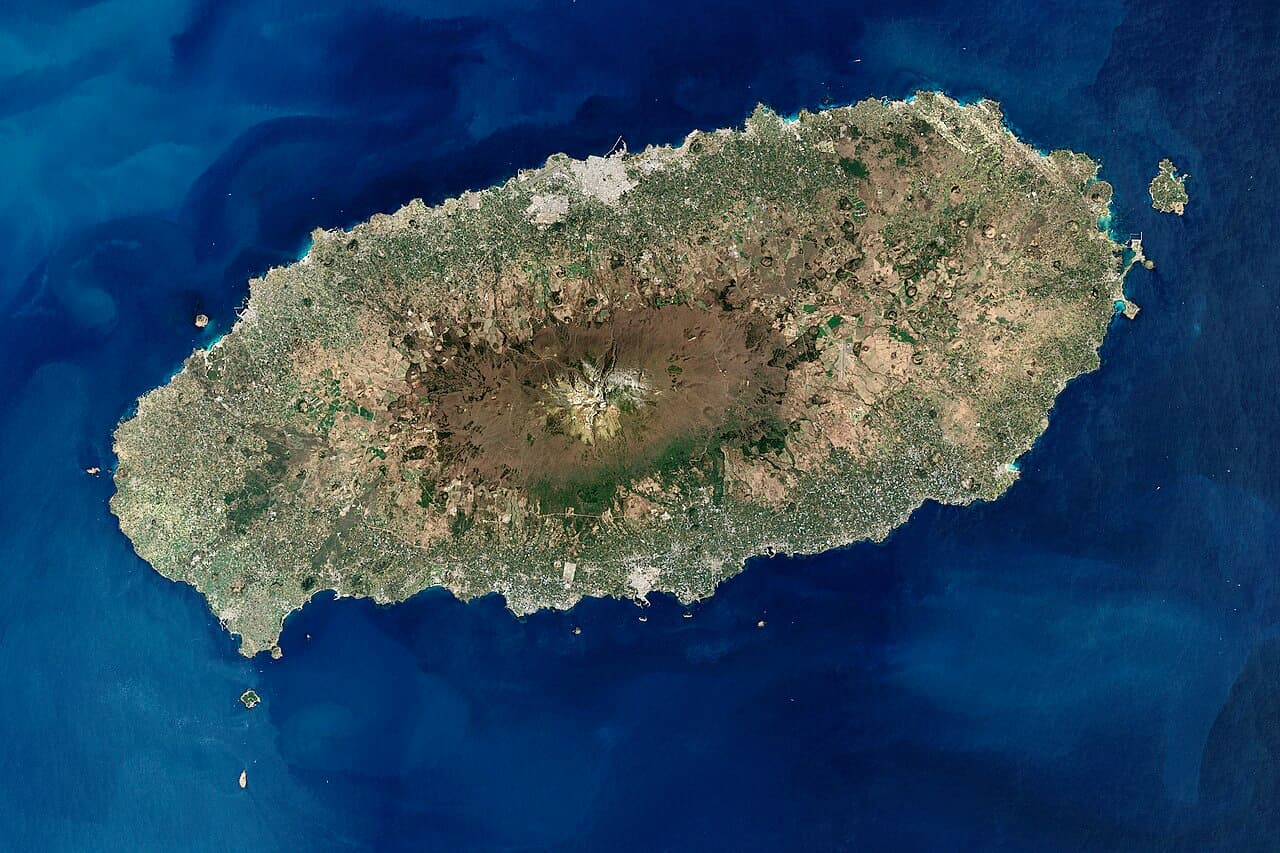
Jeju Island — south Korea's volcanic island paradise holds a UNESCO triple crown, while Jeonju — korea's culinary capital and the birthplace of bibimbap. It's the classic city-versus-island decision — pick the trip that matches what you actually want to do all day.
Jeonju is in a different league for walkability. Jeju Island wins on nature. Jeonju is friendlier on the wallet at roughly $100/day mid-range against $130/day for Jeju Island.
Both peak around the same window (April and May and September and October), so a single trip can hit each at its best.
💰 Budget
🛡️ Safety
Jeju Island
Jeju is one of the safest destinations in Asia for international travelers. Violent crime is rare and petty theft uncommon by regional standards. The main risks are natural — rip currents at popular beaches and changing weather on Hallasan trails.
Jeonju
Jeonju is exceptionally safe. South Korea overall ranks among the world's safer countries and Jeonju is a calm provincial capital where the historic centre is heavily patrolled and well-lit at night. The realistic concerns are pedestrian crowds in Hanok Village on weekends and standard summer-monsoon precautions for low river paths.
🌤️ Weather
Jeju Island
Jeju has a humid subtropical climate warmer and wetter than mainland Korea. The island receives significant rainfall year-round, especially in summer monsoon season. Hallasan creates a weather divide — the south (Seogwipo) is noticeably milder and sunnier than the north in winter.
Jeonju
Jeonju has a humid continental climate, slightly milder than Seoul thanks to its more southerly inland setting. Spring brings cherry blossoms along the Jeonju Stream that runs through the centre of Hanok Village, summer is hot and humid with a strong July monsoon, autumn is the postcard hanok season with maples lit at the temples and shrines, and winter is cold but rarely snowy at the city level.
🚇 Getting Around
Jeju Island
Jeju has no train network. The practical choice for most visitors is a rental car — the island is not large (roughly 73 km east-west) and driving allows access to the many coastal spots that buses don't reach. Taxis are readily available and affordable by Asian standards.
Walkability: Low island-wide, moderate-to-good within Jeju City center and Seogwipo downtown. Most major attractions require a vehicle to reach — Jeju is not a city you can explore on foot.
Jeonju
Jeonju has no metro and Hanok Village is fully pedestrianised within its boundaries. The city is a manageable size for a mix of walking, occasional city buses and short taxi hops. KTX brings most travellers in via Jeonju Station, 4 km north of the historic centre.
Walkability: Very high — the Hanok Village core is fully pedestrianised and the entire historic district is walkable in a single day. Vehicles are limited to residents and emergency access inside the village.
📅 Best Time to Visit
Jeju Island
Apr–May, Sep–Nov
Peak travel window
Jeonju
Apr–May, Sep–Oct
Peak travel window
The Verdict
Choose Jeju Island if...
you want South Korea's volcanic UNESCO island — Hallasan hike, Seongsan sunrise, lava tube caves, haenyeo divers, and a special 30-day visa exemption for most nationalities
Choose Jeonju if...
You want the country's deepest food city paired with the largest preserved hanok quarter, all in a fully walkable downtown 90 minutes from Seoul.
Jeju Island
Frequently asked
Is Jeju Island or Jeonju cheaper?
Jeonju is cheaper on average. A mid-range day in Jeju Island costs about $130 vs $100 in Jeonju, so Jeonju saves you roughly $30 per day compared to Jeju Island.
Is Jeju Island or Jeonju safer?
Jeonju scores higher on our safety index (90/100 vs 88/100). Jeonju is exceptionally safe.
Which has better weather, Jeju Island or Jeonju?
Jeju Island has the more temperate climate year-round. Jeju has a humid subtropical climate warmer and wetter than mainland Korea. The island receives significant rainfall year-round, especially in summer monsoon season. Hallasan creates a weather divide — the south (Seogwipo) is noticeably milder and sunnier than the north in winter.
When is the best time to visit Jeju Island vs Jeonju?
Jeju Island peaks in Apr–May, Sep–Nov. Jeonju peaks in Apr–May, Sep–Oct. Both peak in Apr–May, Sep–Oct, so a single trip pairs them naturally.
How long is the flight from Jeju Island to Jeonju?
Roughly 54m on a direct flight (about 265 km / 164 mi). One-way fares typically run $60-180 depending on season and how far in advance you book.
How do daily costs in Jeju Island and Jeonju compare?
In Jeju Island: budget ~$45-75/day, mid-range ~$100-160/day, luxury ~$260+/day. In Jeonju: budget ~$50/day, mid-range ~$100/day, luxury ~$260/day.
You might also compare
Jeju IslandvsJeonju
Try another