Quick Verdict
Pick Bali if Uluwatu surf, Tegallalang rice terraces, and Tirta Empul water blessings trump volcanic shield hikes. Pick Jeju Island if Hallasan summit trails, haenyeo abalone lunches, and Manjanggul lava tubes beat scooter-traffic chaos.
Can't pick? Visit both.
Build a trip that includes Bali and Jeju Island, with complementary stops we'll suggest.
🏆 Jeju Island wins 78 OVR vs 71 · attribute matchup 2–4
Keep exploring
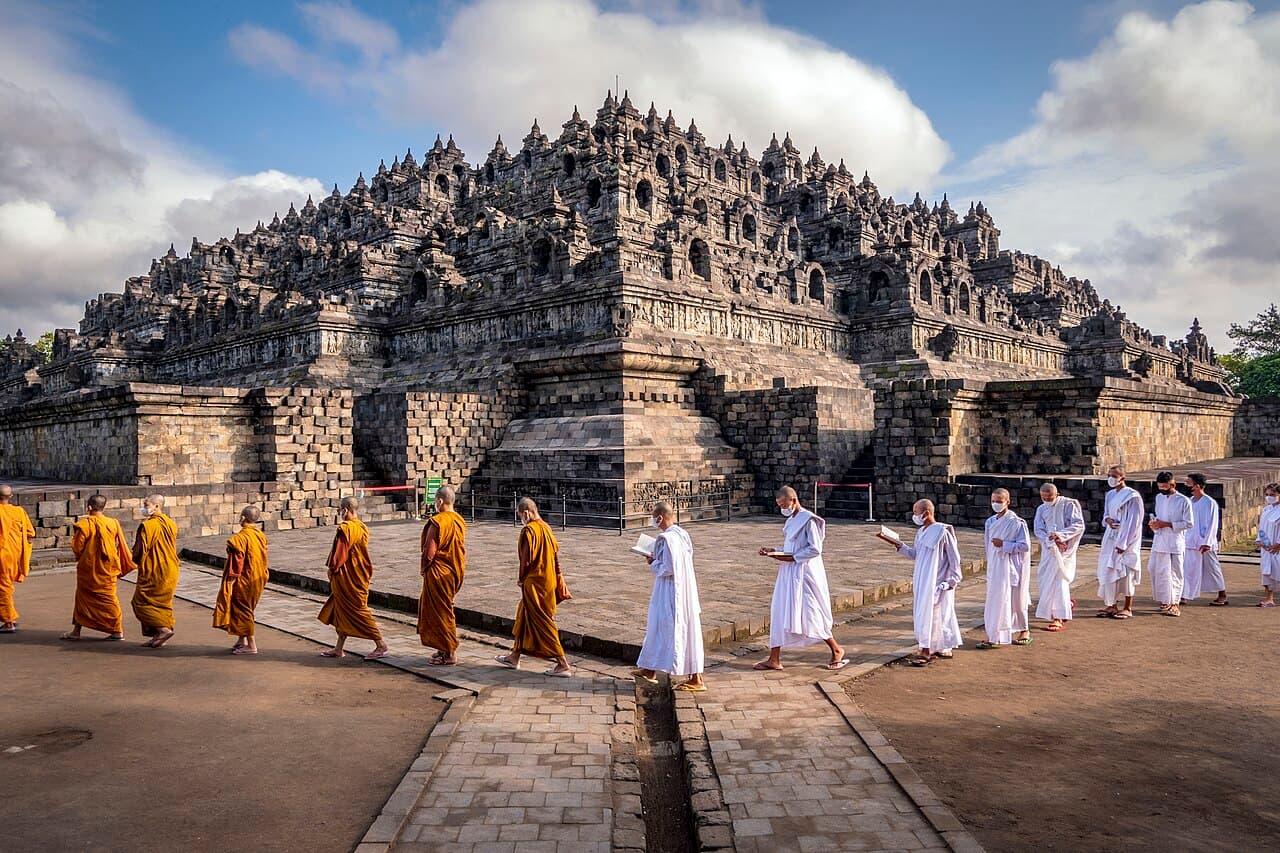
Bali
Indonesia
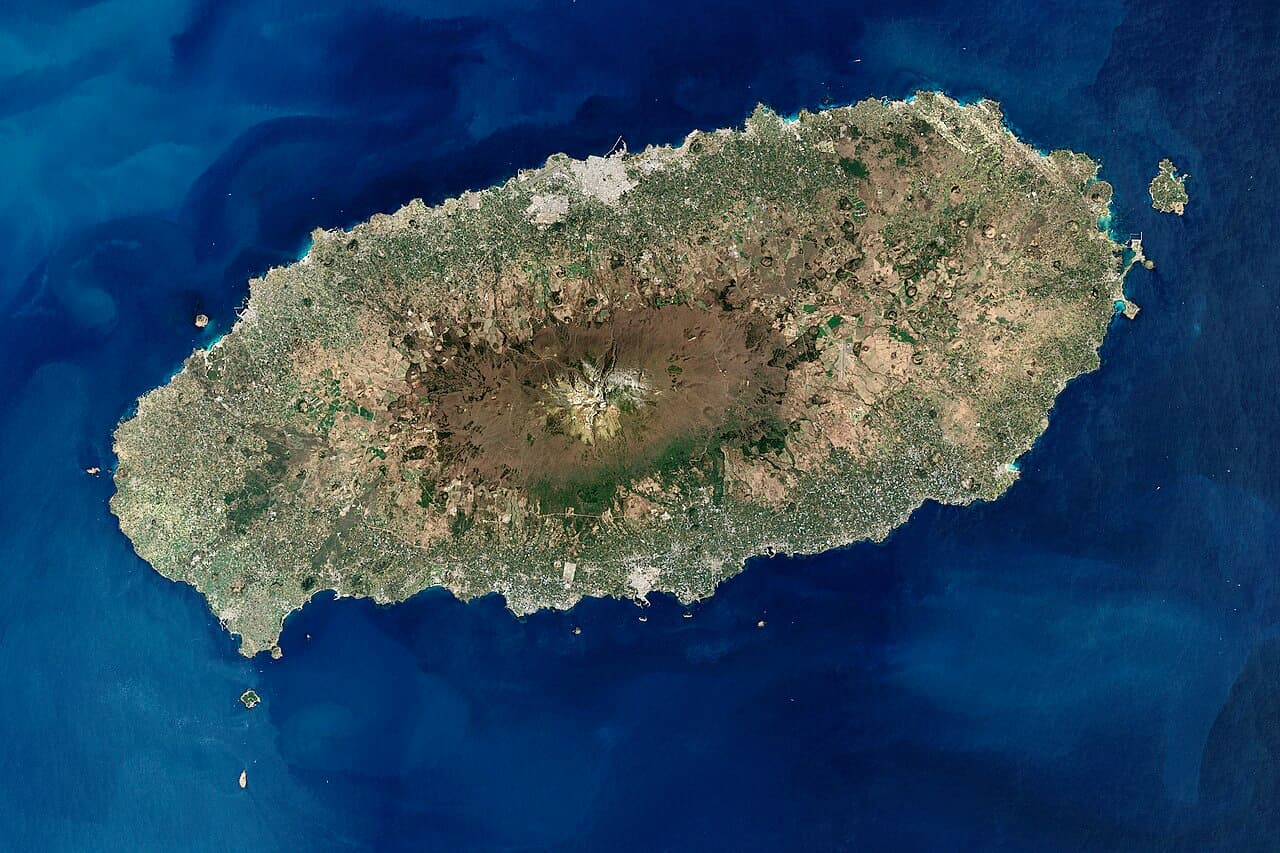
Jeju Island
South Korea
Bali
Jeju Island
How do Bali and Jeju Island compare?
Both are island getaways at the edge of major Asian travel circuits, but the texture is night-and-day. Bali is Hindu-Indonesian: the rice-terrace dawn at Tegallalang, surf breaks at Uluwatu and Canggu, $50-a-night beach villas with private pools, and a frangipani-and-sandalwood incense smell at every Penjor-decorated temple. Jeju is Korean volcanic — Hallasan's 1,950-meter shield volcano, the lava tubes at Manjanggul, haenyeo women diving for abalone off the south coast, and Seogwipo's hairtail fish stew warming the wet coastal afternoons.
Bali is famously cheap at $110 a night mid-range against Jeju's $130, and Bali stretches further on food: a Warung Babi Guling lunch with rice and crackling pork is $4, a black-pork barbecue dinner in Jeju City is $25 a head. Jeju wins on safety (88 vs 65 — Bali has real scooter-traffic risk and tourist-area scams) and cleanliness (5 vs 3); Bali wins on cost, surf access, and the spiritual-cultural overlay — Ubud's yoga scene, Tirta Empul water blessings, Pura Lempuyang's gates.
Trip shape differs: Bali rewards 10-day stays splitting Ubud/Canggu/Uluwatu, while Jeju is a perfect 3–4 day add-on to a Seoul trip with a $40 LCC flight from Gimpo. Book Ulun Danu Beratan sunrise drivers a day ahead in Bali; Jeju you rent a car at the airport and drive the ring road. Pick Bali if Uluwatu surf and Ubud rice terraces trump volcanic shield-mountain hikes. Pick Jeju Island if Hallasan trails and haenyeo abalone lunches beat warung-style backpacker culture.
💰 Budget
🛡️ Safety
Bali
Bali is generally safe for tourists, but road safety is a major concern — motorbike accidents are the leading cause of tourist injury and death. Petty theft, tourist scams, and alcohol-related incidents are common in party areas like Kuta and Seminyak.
Jeju Island
Jeju is one of the safest destinations in Asia for international travelers. Violent crime is rare and petty theft uncommon by regional standards. The main risks are natural — rip currents at popular beaches and changing weather on Hallasan trails.
🌤️ Weather
Bali
Bali has a tropical monsoon climate with two distinct seasons: dry (April-October) and wet (November-March). Temperatures are consistently warm year-round, with highland areas like Ubud and Kintamani noticeably cooler than the coast.
Jeju Island
Jeju has a humid subtropical climate warmer and wetter than mainland Korea. The island receives significant rainfall year-round, especially in summer monsoon season. Hallasan creates a weather divide — the south (Seogwipo) is noticeably milder and sunnier than the north in winter.
🚇 Getting Around
Bali
Bali has no public transit system, trains, or metro. Getting around relies on scooter rental, private drivers, and ride-hailing apps. Traffic is congested in southern Bali, especially between Kuta, Seminyak, and Canggu. Hiring a driver for the day is often the most comfortable and surprisingly affordable option.
Walkability: Most areas of Bali are not walkable in the traditional sense — sidewalks are rare, traffic is dangerous for pedestrians, and distances between attractions are large. Ubud center and Seminyak's main strip are the most pleasant for walking. Always carry a flashlight at night as streets are poorly lit.
Jeju Island
Jeju has no train network. The practical choice for most visitors is a rental car — the island is not large (roughly 73 km east-west) and driving allows access to the many coastal spots that buses don't reach. Taxis are readily available and affordable by Asian standards.
Walkability: Low island-wide, moderate-to-good within Jeju City center and Seogwipo downtown. Most major attractions require a vehicle to reach — Jeju is not a city you can explore on foot.
📅 Best Time to Visit
Bali
Apr–Sep
Peak travel window
Jeju Island
Apr–May, Sep–Nov
Peak travel window
The Verdict
Choose Bali if...
you want tropical paradise vibes, stunning rice terraces, surf culture, Hindu temples, and ultra-affordable luxury
Choose Jeju Island if...
you want South Korea's volcanic UNESCO island — Hallasan hike, Seongsan sunrise, lava tube caves, haenyeo divers, and a special 30-day visa exemption for most nationalities
Jeju Island
Frequently asked
Is Bali or Jeju Island cheaper?
Bali is cheaper on average. A mid-range day in Bali costs about $110 vs $130 in Jeju Island, so Bali saves you roughly $20 per day compared to Jeju Island.
Is Bali or Jeju Island safer?
Jeju Island scores higher on our safety index (88/100 vs 70/100). Jeju is one of the safest destinations in Asia for international travelers.
Which has better weather, Bali or Jeju Island?
Bali has the more temperate climate year-round. Bali has a tropical monsoon climate with two distinct seasons: dry (April-October) and wet (November-March). Temperatures are consistently warm year-round, with highland areas like Ubud and Kintamani noticeably cooler than the coast.
When is the best time to visit Bali vs Jeju Island?
Bali peaks in Apr–Sep. Jeju Island peaks in Apr–May, Sep–Nov. Both peak in Apr–May, Sep, so a single trip pairs them naturally.
How long is the flight from Bali to Jeju Island?
Roughly 6h 14m on a direct flight (about 4,807 km / 2,985 mi). One-way fares typically run $500-1200 depending on season and how far in advance you book.
How do daily costs in Bali and Jeju Island compare?
In Bali: budget ~$25-45/day, mid-range ~$70-150/day, luxury ~$250+/day. In Jeju Island: budget ~$45-75/day, mid-range ~$100-160/day, luxury ~$260+/day.
You might also compare
BalivsJeju Island
Try another