Quick Verdict
Pick Guilin if Li River karst peaks, cormorant fishermen, and bamboo-raft drifts trump high-altitude monasteries. Pick Lhasa if Potala Palace dawns, Barkhor pilgrim circuits, and butter-tea Tibetan culture beat permit headaches.
🏆 Guilin wins 74 OVR vs 68 · attribute matchup 6–1
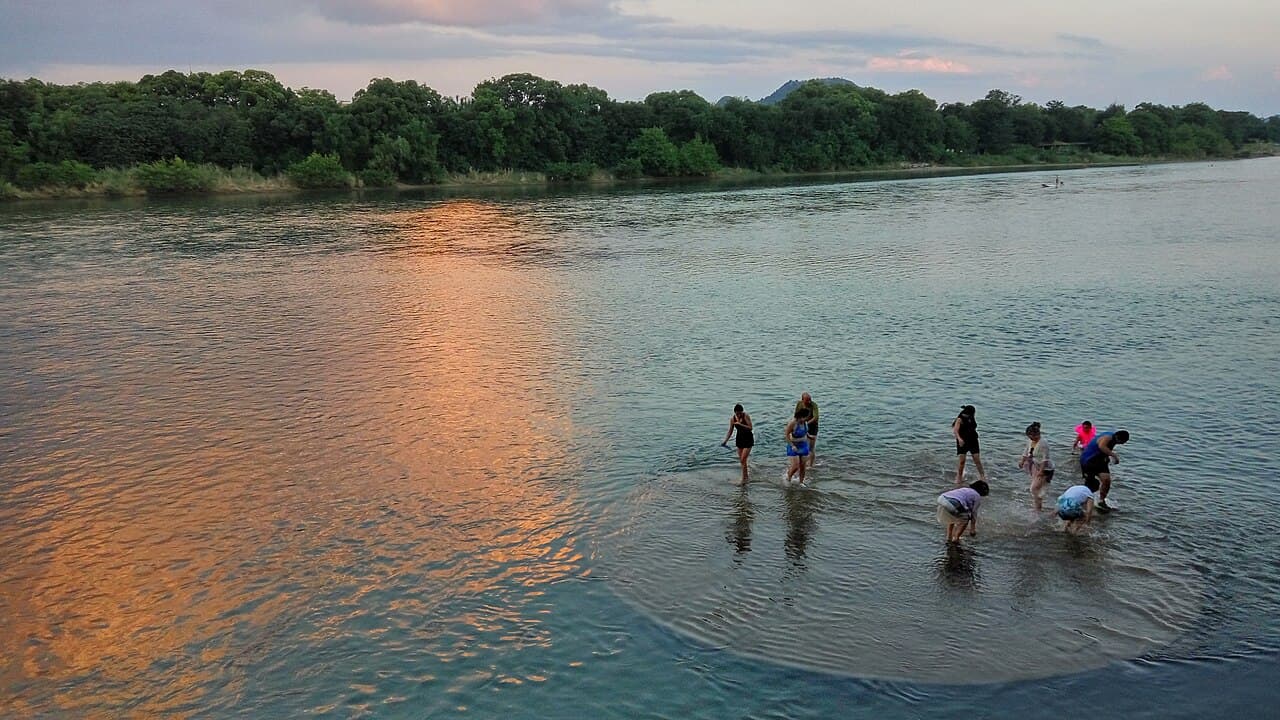
Guilin
China

Lhasa
China
Guilin
Lhasa
How do Guilin and Lhasa compare?
These two appear on the same 'unique China' list, and the gap between them is geographic, financial, and frankly atmospheric — Guilin sits at 150m elevation and Lhasa at 3,656m where the air has 35% less oxygen. Guilin is karst-peak postcards — the Li River cruise to Yangshuo with limestone towers rising out of rice paddies, cormorant fishermen at dusk on Yulong River, beer fish at $8 a plate, and bamboo rafts that drift past water buffalo. Lhasa is Tibetan high plateau — the Potala Palace's white-and-red layers terraced into the hill, monks debating in the courtyards of Sera Monastery, butter-tea smell in every Barkhor street alley, and prostrating pilgrims circling Jokhang Temple at dawn.
Mid-range nights run $95 in Guilin versus $230 in Lhasa — Tibet has a permit system and tour-guide requirement that doubles costs immediately. Add the mandatory Tibet Travel Permit ($150) and required guided-tour structure (independent travel is illegal in TAR), and Lhasa becomes a $300+/day commitment. Guilin wins on access (any Chinese visa works), value, and that landscape-painting realness. Lhasa wins on cultural intensity — there is genuinely nowhere else in the world like the Barkhor kora at sunrise.
Tip: Lhasa requires arranging permits through a Chinese tour operator at least 30 days ahead and entering with a guide; book through a Lhasa-based agency for $50/day savings. Best window is May/early June or September/early October — winter closes some monasteries and altitude sickness worsens. Guilin is dry October-November; April-May has rice-paddy green and lighter crowds than the summer surge.
💰 Budget
🛡️ Safety
Guilin
Guilin and Yangshuo are very safe destinations for tourists — violent crime is extremely rare in China, the local police presence is high, and the city is well-organized. The main risks are tourist scams (overpriced taxi tours, fake products, "tea ceremony" scams targeted at solo travellers), road accidents on bicycle and scooter rentals, and altitude/heat-related issues at the rice terraces in summer.
Lhasa
Violent crime against foreign tourists in Lhasa is extremely rare — the city is heavily policed and tour operators are responsible for their clients. The primary risks are altitude sickness (which can be life-threatening), intense UV at 3,656 m, and the unusual constraints of travelling in a politically sensitive region where photography of security personnel, any political statement, or any mention of the Dalai Lama in public can cause serious problems for your Tibetan guide and operator, even if not directly for you.
🌤️ Weather
Guilin
Guilin has a humid subtropical climate — hot, humid summers (May-September), mild damp winters (December-February), and pleasant transitional seasons. The misty conditions that produce the iconic karst photographs are most common in March-May (spring fog) and after rainfall. Year-round destination but spring (April-May) and autumn (September-November) are optimal.
Lhasa
Lhasa is classified as a high-altitude semi-arid plateau climate — thin, dry air year-round with over 3,000 hours of sunshine annually (one of the sunniest cities in China). Daytime is warm in summer and cold but sunny in winter; nights are always cold because of the altitude. The monsoon brushes the plateau in July and August, bringing short afternoon showers but rarely all-day rain, making Tibet considerably drier than the Himalayan regions to the south. Wind and UV are intense year-round at this elevation.
🚇 Getting Around
Guilin
Guilin has a city bus network and Didi (Chinese ride-hailing app, equivalent to Uber). Yangshuo is small and best explored by bicycle or electric scooter. High-speed rail connects Guilin to Beijing, Shanghai, Hong Kong, and Guangzhou; the Guilin North railway station is 12 km from city centre. The Li River cruise from Guilin to Yangshuo is itself the main inter-city transport for tourists.
Walkability: Yangshuo town is highly walkable — West Street, the Li River pier, and most accommodation are within 10 minutes on foot. Guilin city centre (Elephant Trunk Hill, Two Rivers Four Lakes scenic area) is walkable but the city is sprawling and reaching outlying attractions like Reed Flute Cave requires transport.
Lhasa
Lhasa is small and manageable — the old town around the Jokhang and Barkhor is entirely walkable, and most tour itineraries use a private vehicle with your assigned driver and guide for the outlying monasteries (Sera, Drepung, Norbulingka, Potala). Independent public transport is possible within Lhasa city itself for short distances, but no foreign tourist should be taking long-distance buses or taxis alone — your Tibet Travel Permit requires you to be with your guide for essentially all sightseeing.
Walkability: The old Tibetan quarter around the Jokhang is wonderfully walkable — narrow whitewashed lanes, prayer-wheel corridors, and a flat grid you can cover in a morning. The Potala, Norbulingka, Sera, and Drepung are all too far to walk and sit at awkward angles from the centre; your tour vehicle or a taxi is required. Altitude makes walking feel slower than it looks on a map for the first 48 hours.
📅 Best Time to Visit
Guilin
Apr–May, Sep–Nov
Peak travel window
Lhasa
Apr–May, Sep–Oct
Peak travel window
The Verdict
Choose Guilin if...
you want China's most photographed karst landscape — the Li River cruise, ancient cormorant fishing, the Longji rice terraces, and a more relaxed pace than the megacities
Choose Lhasa if...
you want Tibetan Buddhism's holiest city at 3,656m — Potala Palace, Jokhang Temple, Barkhor kora, and the world's highest railway — requires Tibet Travel Permit
You might also compare
GuilinvsLhasa
Try another