Compare 576 Travel Destinations
148 of 576 guides match

Hua Hin
Thailand
Hua Hin is the original Thai royal beach town, picked by King Rama VII for the Klai Kangwon summer palace in 1926 and treated ever since as Bangkok’s long-weekend coast. It sits 200 kilometres south of the capital on the Gulf of Thailand, a 3-hour drive or train ride that ends at a teakwood station with red and yellow gables. The five-kilometre town beach runs south to a clifftop temple at Khao Takiab, and the Cicada and Tamarind night markets on weekends draw the crowd that flies in for golf. Phraya Nakhon Cave, an hour south, hides the Kuha Karuhas pavilion built for King Rama V in 1890. Thailand’s golf capital, eight courses inside city limits.

Hualien
Taiwan
A 110,000-person Pacific-coast city wedged between the Central Mountain Range and the open ocean — the working gateway to Taroko Gorge 15 kilometres north. Qixingtan Beach is a long arc of black pebbles facing whale-shaped bays, the Dongdamen Night Market sprawls across a former harbour, and the morning fishing-port market sells the day's bonito within an hour of landing. Two to three hours from Taipei on the eastern TRA line, and the home base of the Tzu Chi Buddhist Foundation and its enormous hospital and university campus.

Huangshan
China
Anhui province's UNESCO granite range — 1,860m peaks rising from the yunhai sea-of-clouds layer that gave centuries of Chinese poets and ink painters their template for what a mountain should look like. Two cable cars (Yungu on the east, Taiping on the west) lift visitors past the four classic features (oddly-shaped pines, grotesque rocks, sea of clouds, hot springs) onto a plateau of summit hotels at Beihai, Xihai and Baiyun. Most visitors stay one or two nights for sunrise. Five hours from Shanghai by G-train.

Hue
Vietnam
The imperial capital of Vietnam under the Nguyen Dynasty from 1802 to 1945 — UNESCO-inscribed in 1993 as a complex of palaces, royal tombs, pagodas, and citadel walls along the Perfume River (Song Huong, named for the autumnal scent of fruit-tree blossoms drifting from the upstream orchards). The Imperial Citadel covers 520 hectares enclosed by 10-kilometre stone walls and a moat, modelled on Beijing's Forbidden City but smaller, with the Forbidden Purple City reserved exclusively for the emperor and his immediate family at its heart. The 1968 Tet Offensive's 26-day Battle of Hue was one of the bloodiest urban battles of the Vietnam War — much of the citadel was destroyed and restoration is still ongoing. Seven royal tombs scatter through the hills south of the city; Tu Duc, Khai Dinh, and Minh Mang are the most architecturally exceptional. Hue cuisine is its own school of Vietnamese cooking — the iconic everyday dish is bun bo Hue (spicy beef noodle soup with lemongrass and fermented shrimp paste). The Eiffel-firm-designed Truong Tien Bridge connects the imperial north bank with the modern south.

Hunza Valley
Pakistan
A Karakoram valley wedged between 7,000m peaks — Karimabad and Altit perched on terraces above the Hunza River, Baltit Fort surveying the apricot orchards from its 700-year-old foundations, and Rakaposhi (7,788m) filling the southern view from breakfast tables. Turquoise Attabad Lake formed in 2010 after a landslide, and the Karakoram Highway threads north through it to the Khunjerab Pass and the Chinese border. One of the safest corners of Pakistan and the country's tourism crown jewel.

Inle Lake
Myanmar
A 22 km freshwater lake on the Shan Plateau at 880 m elevation — famous worldwide for the Intha leg-rowing fishermen who balance one foot on the bow, the other wrapped around an oar, freeing both hands for the conical net. Floating gardens grow tomatoes on rafts of weed; stilt villages of teak houses sit out on the lake; the Phaung Daw Oo Pagoda holds five Buddha images so encrusted with gold leaf they've lost all human form. Bagan is the architecture; Inle is the everyday human-on-water genius.

Isfahan
Iran
"Isfahan is half the world" — Safavid-era capital whose Naqsh-e Jahan Square (UNESCO 1979) is one of the largest public squares on Earth, ringed by the blue-tiled Shah Mosque, the jewel-like Sheikh Lotfollah Mosque, Ali Qapu Palace, and the Grand Bazaar. Si-o-se-pol and Khaju bridges span the Zayandeh, the Armenian Vank Cathedral marks the Jolfa quarter, and Chehel Sotoun's reflected columns complete the Safavid tour. Visa reality is complicated for US/UK/Canadian passports — guided tours only; sanctions block foreign cards (carry USD/EUR cash).

Islamabad
Pakistan
Pakistan's purpose-built capital, planned in the 1960s on a Greek-architect's grid against the Margalla Hills — leafy, organized, and a complete reset from the Subcontinent's older megacities. Faisal Mosque rises like a Bedouin tent against the foothills, F-7 sector cafes spill onto wide boulevards, and the Margalla Trail-3 trailhead is a 15-minute drive from downtown. Most travellers' gateway to Hunza, Skardu, and the Karakoram.

Jaipur
India
The Pink City of Rajasthan dazzles with its terracotta-hued old town, hilltop forts, and opulent palaces. Part of India's famous Golden Triangle with Delhi and Agra.

Jakarta
Indonesia
Indonesia's 11-million-strong capital and the economic heart of ASEAN — a sprawling, traffic-choked, food-obsessed megacity layered over the Dutch East India Company's old port of Batavia. Kota Tua's whitewashed VOC warehouses face Sunda Kelapa harbour where pinisi schooners still load cargo by hand, the 132-metre National Monument (Monas) spikes the skyline at Merdeka Square, and Istiqlal — Southeast Asia's largest mosque — stands face-to-face with the neo-Gothic Jakarta Cathedral. Glodok Chinatown and the kerak telor and soto betawi stalls of Setu Babakan are ground zero for Indonesian street food. Most travellers transit through the CGK or HLP airports en route to Bali, Yogya, or Komodo, but a 48-hour stop reveals a city most Instagram itineraries miss.

Jeju
South Korea
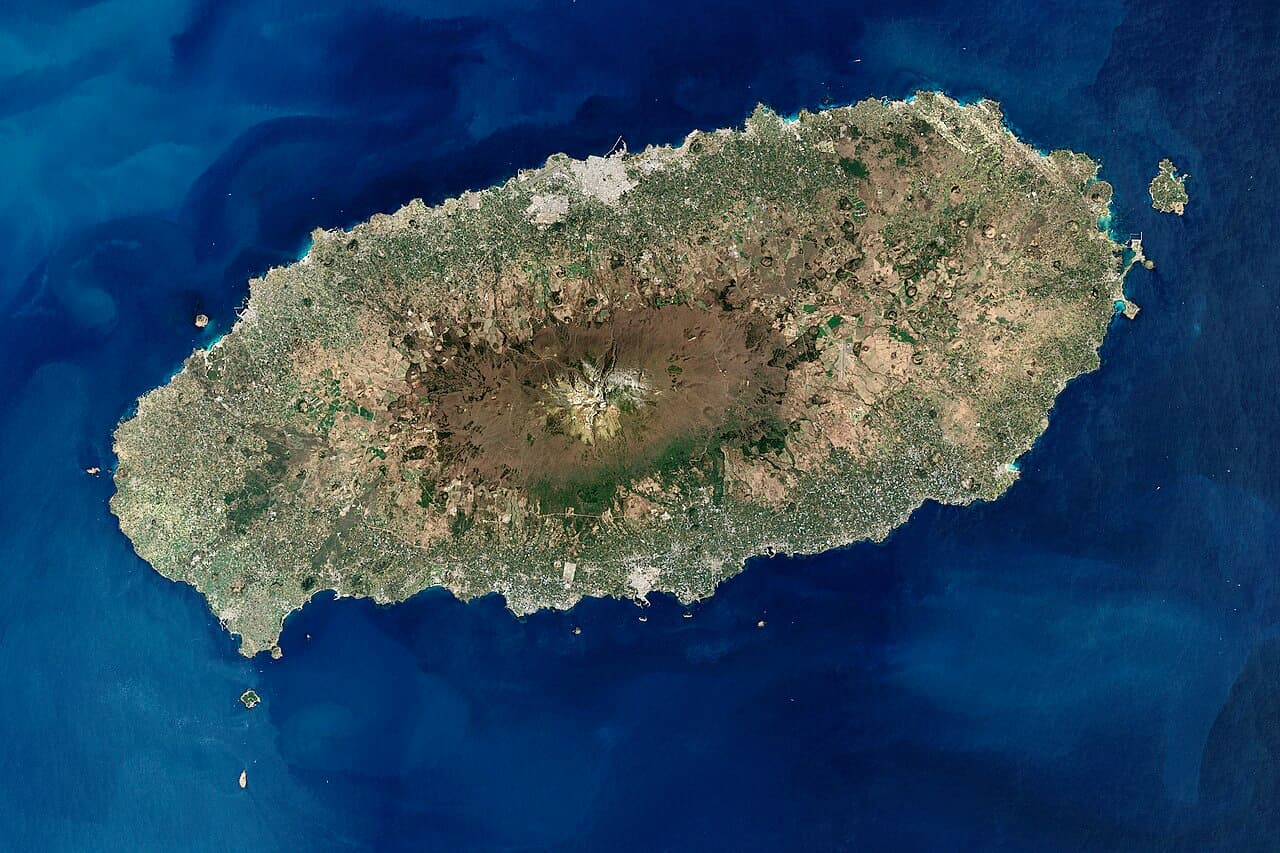
Jeju Island sits 100 km off the southern tip of the Korean peninsula — a 1,850-square-kilometre volcanic island built around 1,947-metre Hallasan, South Korea's tallest mountain. UNESCO has triple-inscribed the island (Biosphere Reserve, Geopark, World Natural Heritage) for the volcano, the Geomunoreum lava-tube system (Manjanggul Cave is 7.4 km long), and Seongsan Ilchulbong, the 'Sunrise Peak' tuff cone on the east coast. The 425-km Olle Trail walking network rings the island in 27 numbered routes, the haenyeo (women free-divers, average age 70+) still harvest abalone off the coast, and Jeju black pork and abalone porridge are the local food obsessions.
Jeju Island
South Korea
South Korea's volcanic island paradise holds a UNESCO triple crown — biosphere reserve, world natural heritage, and global geopark — for Hallasan (1,950m, Korea's highest peak), Seongsan Ilchulbong (a tuff cone rising from the sea), and Manjanggul (one of the world's longest lava tubes at 13 km). The busiest air route in the world runs Seoul–Jeju; 15 million visitors come annually. Jeju has its own visa exemption — 30 days for most nationalities without a Korean visa.

Jeonju
South Korea
Korea's culinary capital and the birthplace of bibimbap — the proper version, layered with raw beef tartare, served in a bronze bowl, paired with a dozen banchan side dishes. Jeonju Hanok Village preserves more than 700 traditional Korean houses inside the central downtown, with tiled roofs sloping in tight rows and most homes still operating as hanok-stay guesthouses where you sleep on a heated ondol floor. Pungnammun Gate, the last surviving gate of the old city wall, anchors the southern edge, and the Jeonju Bibimbap Festival turns the village into one open kitchen each October. Ninety minutes by KTX from Seoul.

Kamakura
Japan
An hour south of Tokyo on the JR Yokosuka Line, Kamakura was Japan's de facto capital from 1185 to 1333 — the seat of the country's first samurai government. The Great Buddha at Kotokuin (a 13.4 m bronze cast in 1252, now sitting open-air after the temple hall was washed away) is the icon. Tsurugaoka Hachimangu Shrine anchors the town's main approach; Hasedera adds an 11-headed Kannon and a hydrangea garden. Yuigahama beach gives Tokyoites a summer surfing weekend, and Komachi-dori is the snack street running back toward Kamakura Station.

Kampot
Cambodia
A drowsy riverside town on Cambodia's south coast where the Praek Tuek Chhu river curls past faded French shophouses and the Elephant Mountains rise abruptly inland. Kampot is the world capital of one specific thing: Kampot Pepper, a Protected Geographical Indication crop whose long-pepper, black, red, and white varieties end up on Michelin tables in Paris and Tokyo. Days are spent on plantation tours, kayaking the river, riding up to the abandoned French hill station and casino at Bokor National Park, or taking the 30-minute hop east to Kep for crab market lunches. The slowest, friendliest base in Cambodia.

Kanazawa
Japan
Japan's best-kept secret — the only major Japanese city never bombed in World War II, meaning 99% of pre-war Edo-period architecture survives. Kenroku-en is one of Japan's Three Great Gardens; the Higashi Chaya geisha district, unchanged since 1820, is the finest preserved teahouse quarter outside Kyoto. The Maeda clan ruled for 300 years and spent lavishly on arts — Kanazawa has more registered National Treasures per capita than any Japanese city outside Kyoto and Nara.

Kandy
Sri Lanka
Sri Lanka's highland capital and the last kingdom to fall to the British (1815) — the Temple of the Sacred Tooth Relic is Buddhism's most important pilgrimage site, housing a tooth of the Buddha in a golden reliquary. The Esala Perahera festival in July/August is one of Asia's greatest spectacles — 100 elephants, 10,000 participants, and 10 days of nightly processions. The scenic Kandy–Ella train journey through tea plantations is among the world's most beautiful rail routes.

Kaohsiung
Taiwan
Taiwan's sunny port city features the stunning Lotus Pond temples, revitalized Pier-2 Art Center, and some of the island's best night markets. A more laid-back alternative to Taipei with easy access to Kenting beaches and Fo Guang Shan monastery.

Karachi
Pakistan
Pakistan's port megacity of 16 million on the Arabian Sea — a sprawling, restless capital of commerce, culture, and contradiction. Mughal-era shrines sit beside colonial Bunder Road, Mohatta Palace's pink Jodhpur sandstone glows at sunset, and Clifton Beach draws families on Friday evenings. The country's most diverse food city: Bohra, Memon, Sindhi, Pashtun, Punjabi, Hyderabadi cuisines all served within blocks of each other.

Kathmandu
Nepal
Kathmandu is the spiritual heart of the Himalayas — a chaotic, colorful valley of ancient temples, prayer flags, and stunning mountain views. Durbar Square, Boudhanath Stupa, and Swayambhunath (the Monkey Temple) are highlights. The city is the staging ground for Everest treks and Annapurna circuits, with Thamel's backpacker district providing gear and guides.

Kerala
India
"God's Own Country" — India's tropical southwestern coast, where 900 km of palm-fringed beaches meet a 1,500 km maze of backwater canals. Overnight kettuvallam houseboat cruises out of Alleppey (Alappuzha), tea plantations blanketing the Munnar hills at 1,500m, the colonial spice port of Fort Kochi, Kathakali face-painted dance, and Periyar Tiger Reserve. Ayurvedic massage is everywhere. Monsoon June-September is dramatic but most travel is October-March.

Khövsgöl Lake
Mongolia
Khövsgöl Nuur is northern Mongolia's Dark Blue Pearl — a 136 km long, 262 m deep alpine lake near the Russian border that holds roughly 1 percent of the planet's surface fresh water and is over two million years old. It sits at 1,645 m in a basin of larch-and-cedar taiga, ringed by 3,000 m peaks of the Khoridol Saridag range. The Tsaatan reindeer herders camp in the surrounding forest, reached only by multi-day horse trek from the gateway village of Hatgal. Summer means horse trekking, kayaking, and bird-watching; from January the lake freezes a metre solid and the March Ice Festival fills the surface with horse races and shaman ceremonies.

Kochi
India
Kerala's port city and commercial capital, where four centuries of Portuguese, Dutch, and British colonial layers stack on top of a much older Arab and Chinese spice-trade harbour. Fort Kochi - the historic peninsula across the harbour from the modern mainland - holds the Chinese fishing nets along Vasco da Gama Square, St Francis Church (where Vasco da Gama was first buried in 1524, the oldest European-built church in India), the 1568 Paradesi Synagogue in Jew Town, and the Mattancherry Palace with its Hindu mythology murals. The city is also the standard launching point for Kerala's backwater houseboats out of Alleppey, 90 minutes south.

Koh Phi Phi
Thailand
Koh Phi Phi is six islands in the Andaman Sea between Phuket and Krabi, the most famous of which are Phi Phi Don, the inhabited backpacker hub with no roads and a maze of pedestrian sois, and Phi Phi Leh, the uninhabited limestone fortress whose Maya Bay starred in The Beach. Maya Bay reopened in 2022 with daily caps, mooring bans, and a strict no-swimming-on-the-bay-side rule that lets the coral recover. Ferries take 90 minutes from Phuket or Krabi. Days revolve around longtail island-hopping and snorkel stops; nights revolve around fire-show beach bars on Loh Dalum Bay and the cheapest bucket cocktails in Thailand.