Quick Verdict
Pick Mendoza for Malbec bodega lunches in Luján de Cuyo and Aconcagua-base horse rides. Pick Pucón if a crampon climb up Villarrica and a Termas Geométricas thermal soak define the day.
Can't pick? Visit both.
Build a trip that includes Mendoza and Pucón, with complementary stops we'll suggest.
🏆 Mendoza wins 75 OVR vs 72 · attribute matchup 4–2
Keep exploring

Mendoza
Argentina
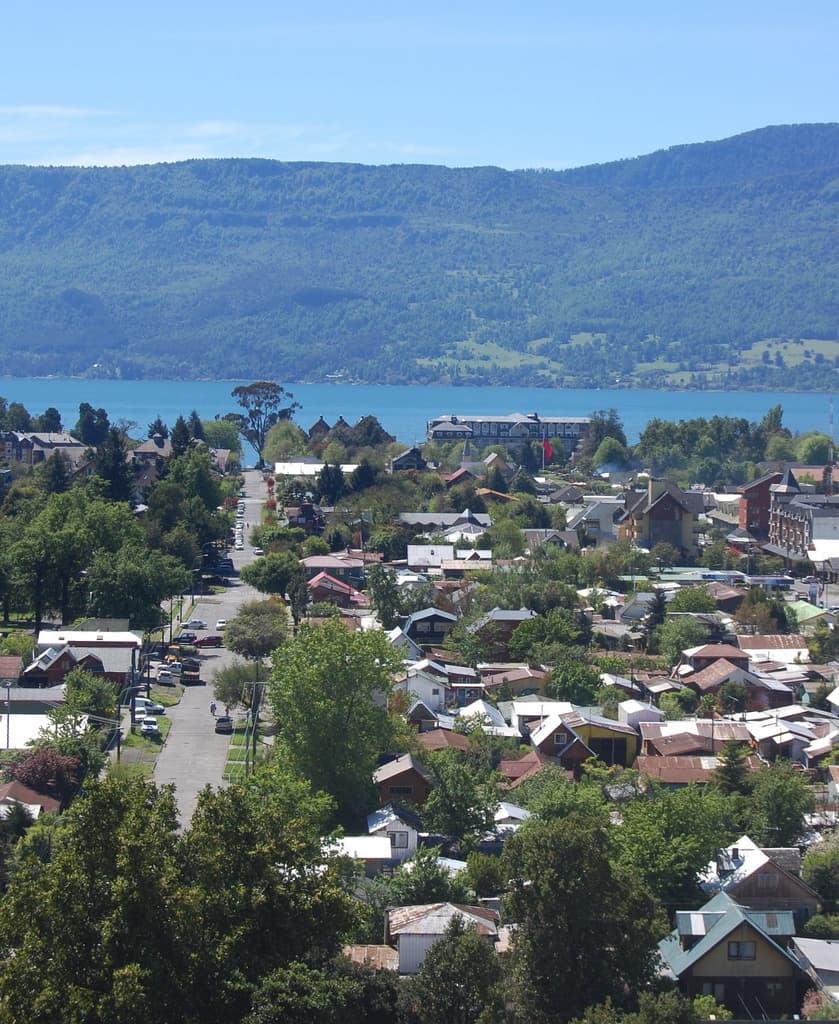
Pucón
Chile
Mendoza
Pucón
How do Mendoza and Pucón compare?
Mendoza and Pucón sit on opposite sides of the Andes and answer different versions of the same outdoors question. Mendoza is Argentina's wine capital — Maipú, Luján de Cuyo, and the Uco Valley produce most of the world's serious Malbec, with hundreds of bodegas (Catena Zapata, Bodega Salentein, Achaval-Ferrer) inside an hour's drive of a leafy plaza-centered town that does 3-hour bodega lunches with Aconcagua framing the western horizon. Pucón is Chile's adventure-sport hub on the Lake District's edge, built around the perfect 2,847 m cone of Volcán Villarrica, with guided summit climbs to the smoking rim, geometric thermal pools at Termas Geométricas, Lago Villarrica kayaking, and white-water rafting on the Río Trancura, all within an hour of a single small ski-resort downtown.
There's no easy direct connection — you cross the Andes via Santiago, with Mendoza-Santiago an 8-hour bus through the 3,200 m Cristo Redentor pass at around 30 USD, then Santiago-Temuco LATAM flight plus 1-hour transfer to Pucón, total day-of-travel of 12-15 hours and 200-300 USD. Mendoza is cheaper at 100 USD/day mid-range with bodega lunches at 30-50 USD and Malbec by the glass from 8 USD; Pucón runs 115 USD/day with the volcano climb at 110-130 USD including crampons-and-axe rental, plus Termas Geométricas entry at 35 USD. Mendoza peaks March-May for harvest and shoulder-season weather; Pucón is December-February for warm-lake summer or June-September for ski at Pucón Ski Resort.
Pro tip: time Mendoza for vendimia in early March when the harvest festival and grape-stomping events take over the bodegas — book lodging two months out and grab the Caminos del Vino bike route for 25 USD a day. Pick Mendoza if Malbec at the source, a horseback ride through Uco Valley vineyards, and Aconcagua-base-camp day trips suit you. Pick Pucón if climbing a live volcano with crampons by morning and soaking in Termas Geométricas wooden boardwalks at night is closer to the trip you want.
💰 Budget
🛡️ Safety
Mendoza
Mendoza is one of Argentina's safer major cities for tourists, with a relatively low violent crime rate compared to Buenos Aires or Rosario. The main tourist areas — the city centre, Chacras, Maipú, and the wine routes — are safe for independent travel. Petty theft and opportunistic crime occur in busy markets and bus terminal areas. Exercise standard urban caution, particularly at night in unfamiliar neighbourhoods.
Pucón
Pucón is one of the safest destinations in Chile — a small tourist town with low crime, friendly locals, and a strong community presence. The genuine concerns are adventure-sport accidents (volcano climb falls, white-water rafting incidents, ski injuries), volcanic-activity warnings (Volcán Villarrica is active and has had eruption alerts as recently as 2015), and driving the rural unsealed roads in poor weather. Solo female travellers report Pucón as comfortable and welcoming.
🌤️ Weather
Mendoza
Mendoza has a semi-arid continental climate with hot, dry summers and mild winters. The city enjoys over 300 days of sunshine per year. Rainfall is low — averaging just 200 mm annually — with most precipitation falling in summer as brief thunderstorms. Snow falls on the surrounding Andes throughout winter but rarely reaches the city itself. The zonda wind — a hot, dry föhn wind descending from the Andes — can push temperatures above 40°C in summer and autumn, sometimes with only hours of warning.
Pucón
Pucón has a marine west-coast climate (Cfb) — moderate year-round temperatures (rarely below -5°C in winter or above 28°C in summer), high annual rainfall (~2,000 mm), and four distinct seasons inverted from the northern hemisphere. Summer (December-March) is dry and pleasant; winter (June-September) is wet but mild with snow at higher elevations driving the ski season. Spring and autumn are transitional and unpredictable.
🚇 Getting Around
Mendoza
Mendoza city is served by a light rail tram, a comprehensive bus network, and taxis and rideshare apps. The city centre is walkable and flat. Getting into wine country requires a dedicated plan — most visitors combine bike rental in Maipú with guided tours or rental cars for Luján de Cuyo and the Uco Valley.
Walkability: Mendoza city centre is flat, well-shaded by its famous tree canopy, and very walkable between Plaza Independencia, Avenida San Martín, and the Quinta Sección bar district. Parque San Martín is a 15-minute walk from the centre. Wine country requires wheels — distances between bodegas and the city make walking impractical except on the Maipú bike route.
Pucón
Pucón's town centre is small enough to walk end-to-end (10 blocks). For everything beyond town (Volcán Villarrica trailhead, Termas Geométricas, Huerquehue, Caburgua) you need a car or organised tour. The bus station has frequent regional buses to Villarrica (25 km west) and longer-distance services to Santiago and other Lake District towns.
Walkability: Pucón's town centre is fully walkable — 10 blocks total, all sights within 15 minutes of any town accommodation. Beyond town (volcano, hot springs, parks) you need transport (car, tour shuttle, or taxi). The Costanera lakefront walk is the best free in-town activity.
📅 Best Time to Visit
Mendoza
Mar–Apr, Sep–Nov
Peak travel window
Pucón
Jan–Mar, Dec
Peak travel window
The Verdict
Choose Mendoza if...
you want Argentina's wine capital — Malbec routes through Maipú + Luján + Uco Valley, plus Aconcagua + the Andes for adventure side trips
Choose Pucón if...
You want Chile's adventure-sport hub — climb a live volcano in the morning, soak in geometric hot springs at night, all within an hour of one ski-resort town.
Frequently asked
Is Mendoza or Pucón cheaper?
Mendoza is cheaper on average. A mid-range day in Mendoza costs about $100 vs $115 in Pucón, so Mendoza saves you roughly $15 per day compared to Pucón.
Is Mendoza or Pucón safer?
Pucón scores higher on our safety index (80/100 vs 72/100). Pucón is one of the safest destinations in Chile — a small tourist town with low crime, friendly locals, and a strong community presence.
Which has better weather, Mendoza or Pucón?
Pucón has the more temperate climate year-round. Pucón has a marine west-coast climate (Cfb) — moderate year-round temperatures (rarely below -5°C in winter or above 28°C in summer), high annual rainfall (~2,000 mm), and four distinct seasons inverted from the northern hemisphere. Summer (December-March) is dry and pleasant; winter (June-September) is wet but mild with snow at higher elevations driving the ski season. Spring and autumn are transitional and unpredictable.
When is the best time to visit Mendoza vs Pucón?
Mendoza peaks in Mar–Apr, Sep–Nov. Pucón peaks in Jan–Mar, Dec. Both peak in Mar, so a single trip pairs them naturally.
How long is the flight from Mendoza to Pucón?
Roughly 1h 29m on a direct flight (about 763 km / 474 mi). One-way fares typically run $120-350 depending on season and how far in advance you book.
How do daily costs in Mendoza and Pucón compare?
In Mendoza: budget ~$25-45/day, mid-range ~$70-130/day, luxury ~$200+/day. In Pucón: budget ~$45-75/day, mid-range ~$90-160/day, luxury ~$280-700/day.
You might also compare
MendozavsPucón
Try another