Quick Verdict
Pick Patagonia for Torres del Paine W-trek granite, Perito Moreno calving, and Fitz Roy sunrise hikes. Pick Pucón if a Villarrica crampon climb and Termas Geométricas thermal boardwalks fit the time you have.
The real difference is price
These two play in different price tiers: Pucón runs roughly 39% cheaper day to day ($115 vs $160 per day mid-range). Start with your budget — everything else on this page is secondary to that gap.
Can't pick? Visit both.
Build a trip that includes Patagonia and Pucón, with complementary stops we'll suggest.
🏆 Patagonia wins 76 OVR vs 72 · attribute matchup 2–7
Keep exploring

Patagonia
Chile
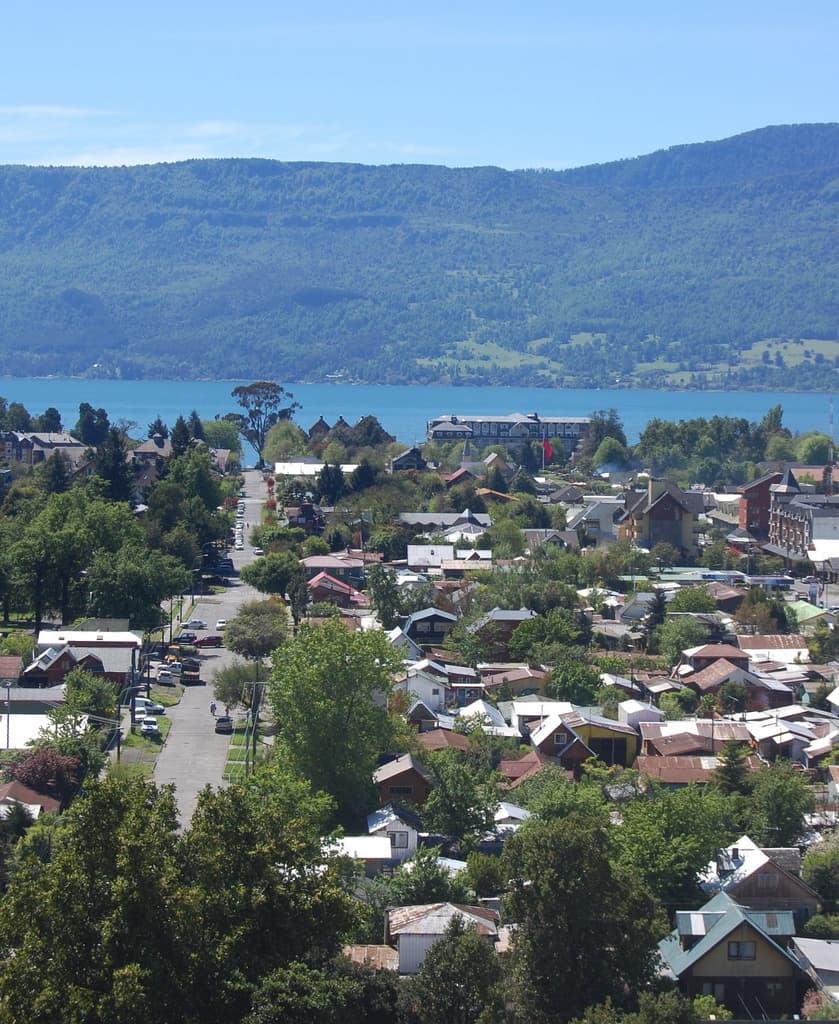
Pucón
Chile
Patagonia
Pucón
How do Patagonia and Pucón compare?
Patagonia and Pucón are both Andean adventure but they sit at very different rungs of remoteness. Patagonia means the southern reach — Torres del Paine's granite towers and the W trek, Perito Moreno's calving glacier face from the boardwalks, El Chaltén and Laguna de los Tres day-hikes under Fitz Roy, and Estancia steppe between them, all reached via El Calafate or Punta Arenas after long flights from Santiago or Buenos Aires. Pucón is much closer to the rest of South America — a single small ski-resort town under the live 2,847 m cone of Volcán Villarrica in Chile's Lake District, with a guided crampon-and-axe climb to the rim, Termas Geométricas wooden boardwalks an hour out, and rafting on the Río Trancura.
There's no easy line — Patagonia from Santiago is a 3.5-hour LATAM flight to Punta Arenas plus 4 hours by road to Torres del Paine, total 8-10 hours and 250-400 USD; Pucón is a 1.5-hour flight to Temuco (ZCO) plus a 1-hour transfer for about 90-150 USD. Mid-range budgets are 160 USD/day in Patagonia (lodging in Puerto Natales for the W trek base or El Calafate for Perito Moreno) versus 115 USD in Pucón. Patagonia's window is November-March before the autumn winds shut things down; Pucón is December-February for the volcano climb and lake season, with crampon climbs sometimes weather-cancelled even then.
Pro tip: if you have under 10 days, Pucón delivers more peak-and-thermal experience for the time and cost — Patagonia really wants 10-14 days minimum to be worth the flight, the multiple transfers, and the punishing distances. Pick Patagonia if the W trek through Torres del Paine, the Perito Moreno boardwalk, and Fitz Roy at sunrise from El Chaltén are the bucket-list. Pick Pucón if climbing a live volcano by morning and soaking in Termas Geométricas under cedars at night is the better adventure week.
💰 Budget
🛡️ Safety
Patagonia
Patagonia is one of the safest regions in South America. The main risks are weather-related: extreme wind, sudden storms, hypothermia, and altitude on exposed trails. Crime against tourists is rare, though standard precautions apply in larger towns.
Pucón
Pucón is one of the safest destinations in Chile — a small tourist town with low crime, friendly locals, and a strong community presence. The genuine concerns are adventure-sport accidents (volcano climb falls, white-water rafting incidents, ski injuries), volcanic-activity warnings (Volcán Villarrica is active and has had eruption alerts as recently as 2015), and driving the rural unsealed roads in poor weather. Solo female travellers report Pucón as comfortable and welcoming.
🌤️ Weather
Patagonia
Patagonia's weather is defined by wind, unpredictability, and dramatic seasonal extremes. Summers are cool, winters are harsh, and the wind blows relentlessly year-round. Expect four seasons in a single day — pack layers for everything.
Pucón
Pucón has a marine west-coast climate (Cfb) — moderate year-round temperatures (rarely below -5°C in winter or above 28°C in summer), high annual rainfall (~2,000 mm), and four distinct seasons inverted from the northern hemisphere. Summer (December-March) is dry and pleasant; winter (June-September) is wet but mild with snow at higher elevations driving the ski season. Spring and autumn are transitional and unpredictable.
🚇 Getting Around
Patagonia
Patagonia is vast and sparsely populated. Distances between destinations are enormous and public transport is limited. Flying between major hubs saves days of overland travel. Long-distance buses are comfortable but time-consuming. Car rental offers freedom but requires preparedness.
Walkability: El Chalten is entirely walkable — the town is small and all trailheads start from the village itself. El Calafate is walkable along the main Avenida Libertador but the glacier is 80 km away. Ushuaia is compact but attractions require transport.
Pucón
Pucón's town centre is small enough to walk end-to-end (10 blocks). For everything beyond town (Volcán Villarrica trailhead, Termas Geométricas, Huerquehue, Caburgua) you need a car or organised tour. The bus station has frequent regional buses to Villarrica (25 km west) and longer-distance services to Santiago and other Lake District towns.
Walkability: Pucón's town centre is fully walkable — 10 blocks total, all sights within 15 minutes of any town accommodation. Beyond town (volcano, hot springs, parks) you need transport (car, tour shuttle, or taxi). The Costanera lakefront walk is the best free in-town activity.
📅 Best Time to Visit
Patagonia
Jan–Mar, Nov–Dec
Peak travel window
Pucón
Jan–Mar, Dec
Peak travel window
The Verdict
Choose Patagonia if...
you want Earth's end — Torres del Paine granite towers, Perito Moreno glacier, Fitz Roy hikes, and the Estancia gaucho steppe
Choose Pucón if...
You want Chile's adventure-sport hub — climb a live volcano in the morning, soak in geometric hot springs at night, all within an hour of one ski-resort town.
Patagonia
Frequently asked
Is Patagonia or Pucón cheaper?
Pucón is cheaper on average. A mid-range day in Patagonia costs about $160 vs $115 in Pucón, so Pucón saves you roughly $45 per day compared to Patagonia.
Is Patagonia or Pucón safer?
Pucón scores higher on our safety index (80/100 vs 78/100). Pucón is one of the safest destinations in Chile — a small tourist town with low crime, friendly locals, and a strong community presence.
Which has better weather, Patagonia or Pucón?
Pucón has the more temperate climate year-round. Pucón has a marine west-coast climate (Cfb) — moderate year-round temperatures (rarely below -5°C in winter or above 28°C in summer), high annual rainfall (~2,000 mm), and four distinct seasons inverted from the northern hemisphere. Summer (December-March) is dry and pleasant; winter (June-September) is wet but mild with snow at higher elevations driving the ski season. Spring and autumn are transitional and unpredictable.
When is the best time to visit Patagonia vs Pucón?
Patagonia peaks in Jan–Mar, Nov–Dec. Pucón peaks in Jan–Mar, Dec. Both peak in Jan–Mar, Dec, so a single trip pairs them naturally.
How long is the flight from Patagonia to Pucón?
Roughly 2h 7m on a direct flight (about 1,306 km / 811 mi). One-way fares typically run $120-350 depending on season and how far in advance you book.
How do daily costs in Patagonia and Pucón compare?
In Patagonia: budget ~$50-80/day, mid-range ~$120-200/day, luxury ~$350+/day. In Pucón: budget ~$45-75/day, mid-range ~$90-160/day, luxury ~$280-700/day.
You might also compare
PatagoniavsPucón
Try another