Quick Verdict
Pick Bali for Ubud rice terraces, Uluwatu kecak dances, and $4 nasi campur warungs. Pick Tulum if Mayan cliff ruins, Gran Cenote dives, and Hotel Zone barefoot luxury justify the spend.
The real difference is price
These two play in different price tiers: Bali runs roughly 36% cheaper day to day ($110 vs $150 per day mid-range). Start with your budget — everything else on this page is secondary to that gap.
Can't pick? Visit both.
Build a trip that includes Bali and Tulum, with complementary stops we'll suggest.
🏆 Bali wins 71 OVR vs 67 · attribute matchup 3–3
Keep exploring

Bali
Indonesia
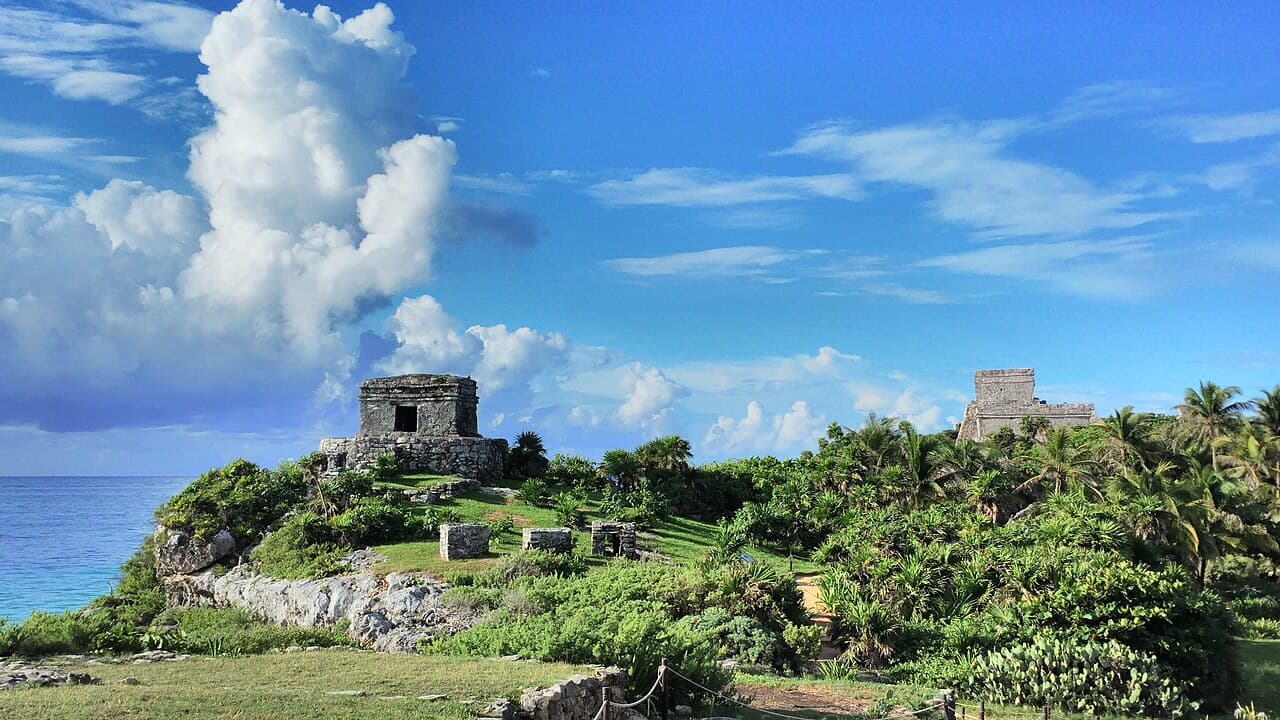
Tulum
Mexico
Bali
Tulum
How do Bali and Tulum compare?
The tropical-bohemian dilemma — Southeast Asian island temple culture or Mexican Caribbean jungle-and-cenote chic. Bali is the Indonesian Hindu island — Ubud's rice terraces and yoga shalas, Canggu's surf beaches and digital-nomad cafés, Uluwatu's clifftop temple and sunset kecak dances, Seminyak beach clubs (Potato Head, La Brisa), and a $4 nasi campur warung lunch ten steps from any villa. Tulum is the Yucatán's bohemian beach strip — Mayan ruins on the cliff above the Caribbean, the Hotel Zone's barefoot-luxe boutique resorts, cenote swims at Gran Cenote and Dos Ojos, jungle yoga, and a $30 ceviche-and-mezcal lunch that's three times what the same meal costs 20 minutes inland.
Bali $15 hostel / $55 mid / $160 luxe, Tulum $60 / $180 / $500. Safety lands at 65 in Bali and 58 in Tulum — Tulum's recent cartel-related incidents on the federal highway and beach robberies have shifted the calculation significantly. Bali wins on price (Tulum is roughly three times the cost), variety (Ubud, Canggu, and Uluwatu each feel like different trips), and the depth of culture and ceremony. Tulum wins on cenote swimming, easier US flight connections (Cancun is 1h45 from Tulum), and the polished beach-club aesthetic that shows up well on Instagram.
Bali peaks April-October (dry season); Tulum peaks November-April (avoid June-October hurricane and seaweed sargassum season). Pro tip: in Bali, base in Ubud for culture and Canggu for beach-and-surf — splitting between the two is far better than one location for a week. In Tulum, the Hotel Zone is car-free and bike-only; rent a beach cruiser at your hotel rather than relying on cabs that overcharge tourists routinely. Pick Bali for the cheaper, deeper, and more culturally textured tropics. Pick Tulum for shorter flights from the US and the Caribbean cenote-and-beach mix when budget isn't the issue.
These don't combine on a single trip — they're 8,000 miles apart and represent two entirely different bohemian-tropical scenes. The pair shows up on year-comparing trip-planning lists more than on actual itineraries. Couples and honeymooners typically pick Tulum for the shorter US flight ($300-450 round-trip from East Coast versus $1,200+ to Bali) and Bali for the deeper cultural experience and longer dollar. Solo travelers and digital nomads find Bali dramatically friendlier on the budget — Canggu's coworking spaces run $150/month versus Tulum's $400+. Families weigh both: Bali wins on the variety side (rice terraces, surf schools, monkey forests), Tulum on shorter travel time and cenote swimming for kids 8+.
💰 Budget
🛡️ Safety
Bali
Bali is generally safe for tourists, but road safety is a major concern — motorbike accidents are the leading cause of tourist injury and death. Petty theft, tourist scams, and alcohol-related incidents are common in party areas like Kuta and Seminyak.
Tulum
Tulum is generally safe for tourists in designated areas but requires more vigilance than its boho-paradise image suggests. Between 2021 and 2023, cartel-related violence affected the Riviera Maya region, including incidents in and near Tulum — including a beach club shooting in 2021 that injured foreign tourists. The situation has stabilized but the underlying risk remains. Petty crime, ATM skimming, and drug-related pressure are the most common traveler concerns. Stick to tourist zones, use official or app-based transport, and avoid isolated beaches at night.
🌤️ Weather
Bali
Bali has a tropical monsoon climate with two distinct seasons: dry (April-October) and wet (November-March). Temperatures are consistently warm year-round, with highland areas like Ubud and Kintamani noticeably cooler than the coast.
Tulum
Tulum has a tropical wet-dry climate. Temperatures are warm year-round, ranging from 22°C at night in winter to 34°C on summer afternoons. The dry season (November through April) is peak tourist season with low humidity, calm seas, and almost no rain. The wet season (June through November) brings daily afternoon thunderstorms, higher humidity, hurricane risk, and the annual sargassum seaweed invasion. April through September see the heaviest seaweed on beaches.
🚇 Getting Around
Bali
Bali has no public transit system, trains, or metro. Getting around relies on scooter rental, private drivers, and ride-hailing apps. Traffic is congested in southern Bali, especially between Kuta, Seminyak, and Canggu. Hiring a driver for the day is often the most comfortable and surprisingly affordable option.
Walkability: Most areas of Bali are not walkable in the traditional sense — sidewalks are rare, traffic is dangerous for pedestrians, and distances between attractions are large. Ubud center and Seminyak's main strip are the most pleasant for walking. Always carry a flashlight at night as streets are poorly lit.
Tulum
Tulum has no unified public transport system and navigating between its two zones is one of the main practical frustrations of a visit. The Zona Hotelera beach road is 8-10 km long with no bus service — getting around requires taxis, bicycles, scooters, or rental cars. In Tulum Pueblo, colectivos (shared vans) connect efficiently to Playa del Carmen, Cobá, and other destinations. The Maya Train added a new option for intercity travel but its Tulum station is several kilometers from both zones.
Walkability: Tulum Pueblo is walkable within its compact grid — the main strip (Avenida Tulum) has restaurants, shops, and services within a few blocks. The Zona Hotelera is emphatically not walkable at 8-10 km long with no sidewalks for much of its length. Between the two zones (5 km) is a bikeable but long walk. A bicycle or scooter is essential for any real exploration.
📅 Best Time to Visit
Bali
Apr–Sep
Peak travel window
Tulum
Jan–Apr, Nov–Dec
Peak travel window
The Verdict
Choose Bali if...
you want tropical paradise vibes, stunning rice terraces, surf culture, Hindu temples, and ultra-affordable luxury
Choose Tulum if...
you want Mayan cliff ruins above turquoise Caribbean, cenote diving, and a boho-chic beach scene (with eye-watering hotel-zone prices)
Frequently asked
Is Bali or Tulum cheaper?
Bali is cheaper on average. A mid-range day in Bali costs about $110 vs $150 in Tulum, so Bali saves you roughly $40 per day compared to Tulum.
Is Bali or Tulum safer?
Bali scores higher on our safety index (70/100 vs 58/100). Bali is generally safe for tourists, but road safety is a major concern — motorbike accidents are the leading cause of tourist injury and death.
Which has better weather, Bali or Tulum?
Tulum has the more temperate climate year-round. Tulum has a tropical wet-dry climate. Temperatures are warm year-round, ranging from 22°C at night in winter to 34°C on summer afternoons. The dry season (November through April) is peak tourist season with low humidity, calm seas, and almost no rain. The wet season (June through November) brings daily afternoon thunderstorms, higher humidity, hurricane risk, and the annual sargassum seaweed invasion. April through September see the heaviest seaweed on beaches.
Is it easier to get by with English in Bali or Tulum?
English is more widely spoken in Tulum (4/5 vs 3/5 on our scale). You'll find it easier to order food, ask for directions, and navigate transit in Tulum.
When is the best time to visit Bali vs Tulum?
Bali peaks in Apr–Sep. Tulum peaks in Jan–Apr, Nov–Dec. Both peak in Apr, so a single trip pairs them naturally.
How long is the flight from Bali to Tulum?
Roughly 20h 53m on a direct flight (about 17,254 km / 10,715 mi). One-way fares typically run $700-1800 depending on season and how far in advance you book.
How do daily costs in Bali and Tulum compare?
In Bali: budget ~$25-45/day, mid-range ~$70-150/day, luxury ~$250+/day. In Tulum: budget ~$35-55/day, mid-range ~$100-200/day, luxury ~$400-1,500+/day.
Is Tulum or Bali a better digital nomad base?
Bali — significantly. Canggu's coworking spaces (Tropical Nomad, Outpost) run $150/month for unlimited access; Tulum's run $400+ for the equivalent. Bali's wifi is faster (50-100 Mbps standard), the cafe scene deeper, and the digital-nomad community larger. Tulum works for shorter 2-4 week stints from the US.
Is Tulum safe in 2026?
It's deteriorated in the past 5 years — cartel-related incidents on the federal highway, beach robberies, and a 2022 shooting outside a Tulum nightclub have shifted the safety calculation. The Hotel Zone is heavily policed and fine, but the road from Cancun and Playa del Carmen drives have real risk. Use ADO bus rather than night driving.
How many days do you need in Bali vs Tulum?
Bali rewards 10-14 nights for Ubud, Canggu or Uluwatu, plus the Gilis or Lombok extension. Tulum works in 4-5 nights — beach days, cenote swims, the Mayan ruins, Sian Ka'an biosphere. Past 5 nights in Tulum the resort-strip aesthetic blurs together.
What food should you eat in Tulum vs Bali?
Tulum: ceviche at El Camello Jr. ($20 vs $60 on the beach strip), cochinita pibil at La Hoja Verde, and tacos al pastor at Antojitos La Chiapaneca. Bali: nasi campur at Warung Nia ($4), babi guling at Ibu Oka in Ubud, sate ayam at Made's Warung, and Balinese-fusion at Locavore in Ubud (book a month ahead).
Is the Tulum beach strip worth the price?
It's polished and Instagram-ready but expensive — $30 ceviche lunches, $500/night beachfront resorts, and bicycle-only access. The cenotes, Mayan ruins, and Sian Ka'an are the real draws. Many travelers stay in the cheaper town center (Tulum Pueblo) and bike to the beach for the day rather than paying Hotel Zone rates.
What's the best time to visit Tulum vs Bali?
Tulum peaks December-April (dry, warm, low sargassum). Avoid June-October for hurricane season and seaweed sargassum on the beach. Bali peaks April-October (dry season). Combined planning rarely happens, but March is the overlap shoulder month if you're hitting both on the same year.
You might also compare
BalivsTulum
Try another