Compare 576 Travel Destinations
374 of 576 guides match

Denver
United States
Denver sits exactly one mile up — altitude real enough to floor first-time visitors. It's the Rockies' gateway city: craft beer everywhere, legal cannabis since 2014, a restored 1881 Union Station that's now one of the country's best urban train halls, and Red Rocks Amphitheatre 15 minutes west. Breckenridge, Vail, and Rocky Mountain NP are an hour or two into the mountains.

Detroit
United States
Detroit is the great American comeback city — the birthplace of Motown, the auto industry, and techno music, now in the middle of a 15-year reinvention that has restored Michigan Central Station, filled downtown with cocktail bars, and turned former industrial corridors into bike trails. The Detroit Institute of Arts holds a top-five US collection (Diego Rivera's Detroit Industry murals are here), Belle Isle is a 982-acre Olmsted-designed island park in the river, and the Henry Ford Museum complex in Dearborn is one of America's great Americana collections. Lafayette and American Coney Islands still serve chili dogs at 02:00.

Doha
Qatar
Qatar's capital glints across the Persian Gulf — futuristic skyscrapers along the Corniche, I.M. Pei's Museum of Islamic Art on its own peninsula, and Jean Nouvel's desert-rose National Museum. Souq Waqif preserves the old market vibe with falconry shops + Persian-style restaurants. The Pearl-Qatar artificial island and Katara Cultural Village extend the modern face; the Inland Sea desert at the Saudi border delivers dune-bashing day trips. World Cup 2022 host. Hamad International is Qatar Airways' superhub — many travelers arrive on the stopover program.

Doolin
Ireland
A scattered fishing village of 200 people in north County Clare with a global reputation for traditional Irish music — three pubs (Gus O'Connor's, McGann's, and McDermott's) host nightly trad sessions that musicians fly in from across Europe to attend. Doolin sits on the Wild Atlantic Way 6 km north of the Cliffs of Moher (reachable on foot via the cliff walk) and is the closest mainland departure point for the three Aran Islands — Inis Mór, Inis Meáin, and Inis Oírr — by ferry from Doolin Pier. The Burren limestone plateau begins at the village edge.

Dresden
Germany
Saxony's Baroque jewel rebuilt itself from rubble — the February 1945 firebombing flattened the Altstadt and the Frauenkirche stood as a black mound for 49 years until reunification funded an 11-year, $200 million reconstruction completed in 2005. Today the sandstone dome glows again over the Neumarkt, the Zwinger's pavilions enclose orange trees behind sgraffito walls, and the Semperoper stages opera in the same hall Wagner once conducted. Cross the Augustus Bridge into Neustadt for tattoo parlours and craft beer bars that lean hard into the city's eastern, post-Wende identity.

Dubai
United Arab Emirates
Dubai is a city of superlatives — the tallest building, the largest mall, man-made islands visible from space. Beyond the glitz, there's a fascinating mix of old and new: traditional souks alongside futuristic architecture, desert dunes within driving distance of indoor ski slopes. A major global hub with year-round sunshine.

Dublin
Ireland
Dublin punches well above its weight — a compact, walkable city with world-class pubs, a legendary literary heritage (Joyce, Beckett, Wilde), and some of the friendliest people you'll meet. The Guinness Storehouse, Temple Bar, and Trinity College's Book of Kells are must-sees, but the real magic is in the conversation at a local pub.

Dubrovnik
Croatia
Dubrovnik's walled old town is one of Europe's most stunning medieval cities — limestone streets, terracotta rooftops, and the Adriatic glittering below. Walk the famous city walls, take the cable car to Mount Srd, and island-hop to Lokrum and the Elafiti Islands. Game of Thrones put it on the map, but the city has been captivating visitors for centuries.

Edinburgh
United Kingdom
Edinburgh is a city of two halves — the medieval Old Town cascading down from the Castle to Holyrood, and the elegant Georgian New Town below. The world's largest arts festival (the Fringe) takes over every August, Harry Potter was born in its cafes, and Arthur's Seat offers a proper hike without leaving the city limits.

Eger
Hungary
A baroque town of 53,000 in northern Hungary that punches above its weight: Eger Castle, where Captain István Dobó and 2,000 defenders held off a 40,000-strong Ottoman army in 1552; a 40-metre minaret left from 91 years of later Turkish rule, the northernmost in Europe; and the Szépasszony-völgy (Valley of the Beautiful Women) just outside town, where a horseshoe of 50-plus rock-cut wine cellars pours Egri Bikávér (Bull's Blood) for the price of a coffee. Two hours east of Budapest by train, an easy weekend with cobbled streets, the country's second-largest basilica, and Habsburg-era thermal baths.

El Chaltén
Argentina
Argentina's trekking capital, founded in 1985 in a border-claim race with Chile and now a ribbon of hostels, microbreweries, and outfitter shops at the foot of Cerro Chaltén — better known abroad as Mount Fitz Roy, the jagged silhouette on the Patagonia clothing logo. Trails leave directly from the village, no entry fee, no shuttle bus required. The 22-kilometre Laguna de los Tres day hike to the base of Fitz Roy is Argentina's most famous walk, climbing 1,100 metres on the final hour to a glacial lake under the granite. Cerro Torre and the Glaciar Grande complete the skyline. El Calafate's FTE airport is three hours south by Ruta 40.

Evora
Portugal
The walled UNESCO capital of the Alentejo, an hour and a half east of Lisbon by bus or train through cork-oak plains and olive groves. The Roman Temple of Diana from the 1st century stands almost intact in the upper square; the Cathedral of Evora, the Aqueduto da Agua de Prata, and the macabre Capela dos Ossos with its walls lined in 5,000 monk skeletons all sit within ten walking minutes of each other. The countryside around it holds more than 100 working wineries: Esporao, Cartuxa, and Mouchao among them, all open for tastings and lunch.

Fethiye
Turkey
A Lycian harbour town of 170,000 wrapped around a sheltered bay, with the famous Blue Lagoon at Ölüdeniz 14 km south — the photo of paragliders launching off Mount Babadağ (1,969 m) toward the turquoise lagoon is one of Turkey's most-shared images. Fethiye itself anchors the western Lycian Way trail, the 12-island gulet cruise route, and access to Saklıkent Gorge, the rock-cut Tomb of Amyntas, and the abandoned Greek ghost village of Kayaköy. The eastern Mediterranean's most accomplished sailing base, with Göcek Bay's six 5-star marinas just 25 km west.

Fez
Morocco
Fez is Morocco's spiritual and intellectual capital — home to the world's oldest university and a medieval medina so vast and labyrinthine that GPS is useless. The tanneries are iconic (and pungent), the mosaic workshops are mesmerizing, and getting lost in the 9,000+ alleyways is half the point. More authentic and less touristy than Marrakech.

Florence
Italy
The birthplace of the Renaissance is an open-air museum — the Duomo, the Uffizi, Michelangelo's David, and the Ponte Vecchio are just the start. Florence rewards slow exploration of its neighborhoods, from the artisan workshops of the Oltrarno to the markets of San Lorenzo. The Tuscan food and Chianti wine are unforgettable.
Foz do Iguaçu
Brazil
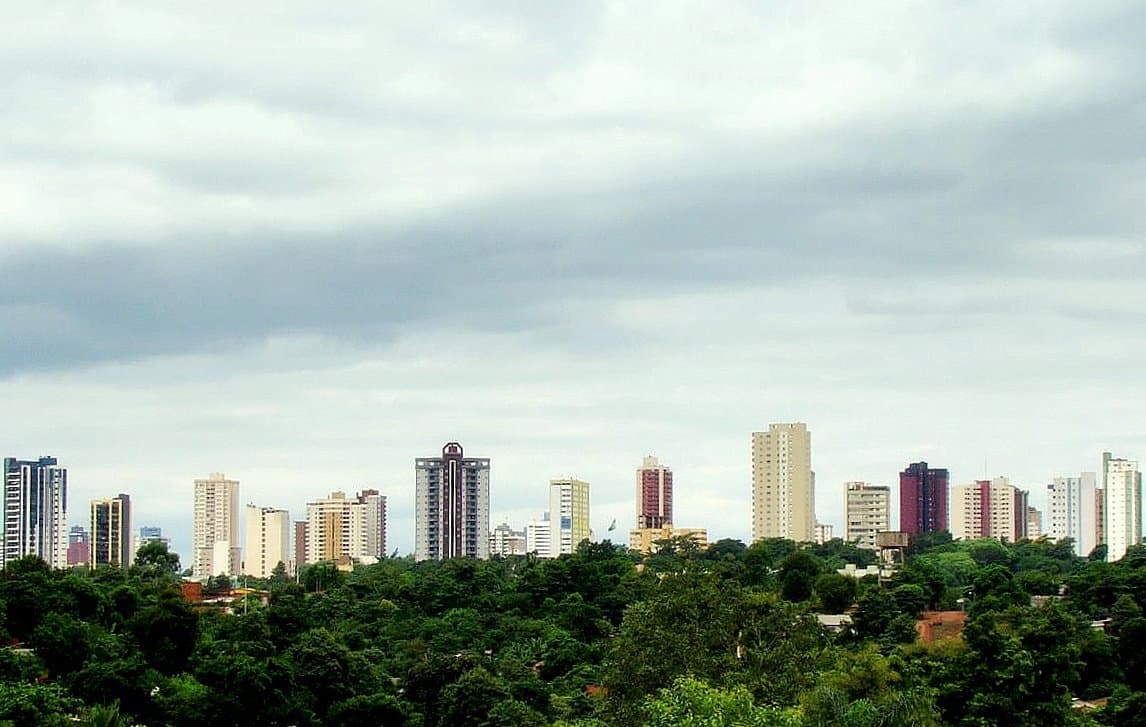
Foz do Iguaçu is the Brazilian launchpad for one of the planet's great spectacles — 275 individual waterfalls thundering across a 2.7 km horseshoe of basalt cliffs on the Paraná-Argentina border. The Brazilian side gives you the panoramic, postcard view of the falls (Argentina's side puts you on top of them, and most travellers do both). Beyond the cataratas, the city is the Tríplice Fronteira where Brazil, Argentina, and Paraguay meet, home to the Itaipu hydroelectric dam (the second-largest in the world) and a surprisingly diverse Lebanese-Brazilian-Paraguayan food scene built around shawarma, churrasco, and Paraguayan chipa.

Frankfurt
Germany
Germany's only true skyline city — home to the European Central Bank and a financial district nicknamed Mainhattan that puts a dozen 200-metre-plus towers along the Main River. The flip side sits across the river in Sachsenhausen, where Apfelwein taverns serve cloudy fermented apple wine in ribbed Geripptes glasses with handkerchief-pattern Bembel jugs. Römerberg square holds the half-timbered city hall, the Goethe House recreates the writer's birthplace room by room, and FRA airport pushes 65 million passengers a year through Europe's third-busiest hub — most travellers' first or last German city.
Galle
Sri Lanka
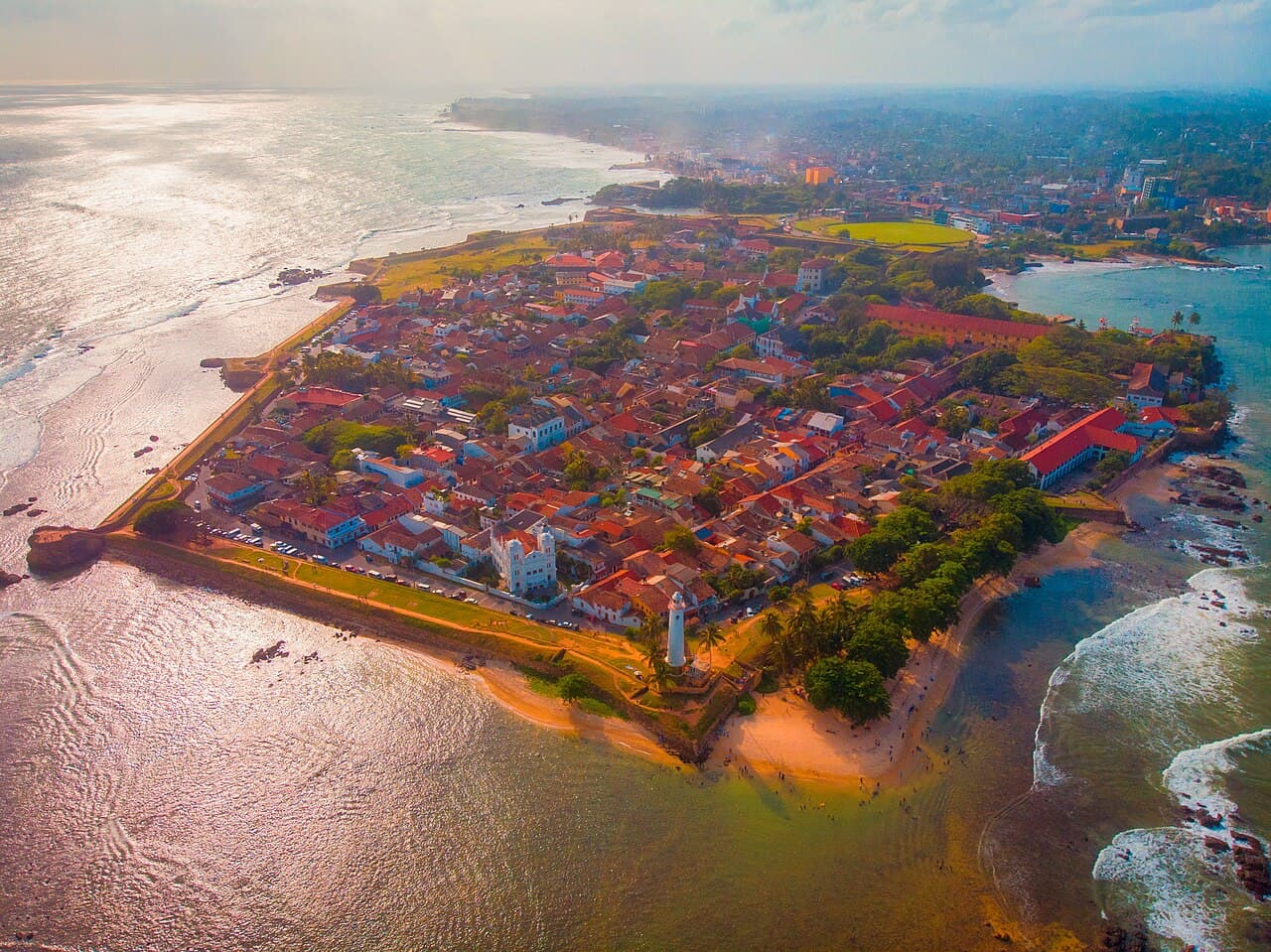
Galle is the Dutch-built fortified port on Sri Lanka's south coast — a 36-hectare walled town inside 17th-century granite ramparts that survived both colonial sieges and the 2004 tsunami almost untouched. UNESCO listed Galle Fort in 1988 as the best-preserved European-built fortified town in South Asia. Inside the walls, gridded streets are lined with white-washed Dutch and British colonial houses, churches, the 1939 lighthouse, and a wave of boutique cafés, design shops, and small hotels that have turned the fort into Sri Lanka's most stylish weekend escape. The southern beaches — Unawatuna, Mirissa, Weligama — are 15–40 minutes east.

Galway
Ireland
Ireland's festival capital and gateway to the wild west — the Latin Quarter and Shop Street have been a trading hub since the 14th century. The Aran Islands (Inis Mór's Dún Aonghasa cliff fort is 3,500 years old) are 45 minutes by ferry. Connemara's mountains and Kylemore Abbey are an hour's drive. The Crane Bar has hosted traditional music every night for decades.

Gatlinburg
United States
Gatlinburg is a 4,000-person mountain resort town wedged into a Tennessee river valley right at the main entrance to Great Smoky Mountains National Park, the most-visited national park in the country at 13 million-plus visitors a year. The walkable Parkway downtown packs taffy shops, moonshine tasting rooms, ski-lift bases, and the SkyLift Park up to a 680-foot pedestrian suspension bridge (the longest in North America) all in eight blocks. Pigeon Forge and Dollywood are five miles north along US-441, and the Roaring Fork Motor Nature Trail loops 5.5 miles through old-growth forest just east of town. Closest airport is Knoxville (TYS, 1 hour 15 minutes northwest).

Gdańsk
Poland
The great Hanseatic port at the mouth of the Vistula — narrow Dutch-gabled merchants' houses crowd the Long Market (Długi Targ) under Neptune's Fountain, and the brick crane (Żuraw) still squats on the Motława waterfront where ships once loaded amber and grain. Almost everything you see was rebuilt brick-by-brick after 1945 (the Old Town was 90% flattened). The European Solidarity Centre at the old Lenin Shipyard tells the story of how Poland's 1980 strikes brought down the Eastern Bloc; Westerplatte, where WWII began on 1 September 1939, is a tram ride away. Sopot's pier and Baltic beaches sit 20 minutes north on the SKM commuter train.

Geneva
Switzerland
Switzerland's French-speaking diplomatic capital on the western tip of Lake Geneva, home to the UN's European headquarters, the Red Cross, the WHO, the WTO, and roughly 40 percent of Geneva's residents being foreign nationals. The 140 m Jet d'Eau plumes from the lake's edge as the city's signature image, the medieval Old Town climbs to St. Pierre Cathedral where Calvin preached, and CERN sits 8 km west on the French border. Expensive even by Swiss standards, with a watch-and-chocolate shopping district that rivals Zurich's.
Ghent
Belgium
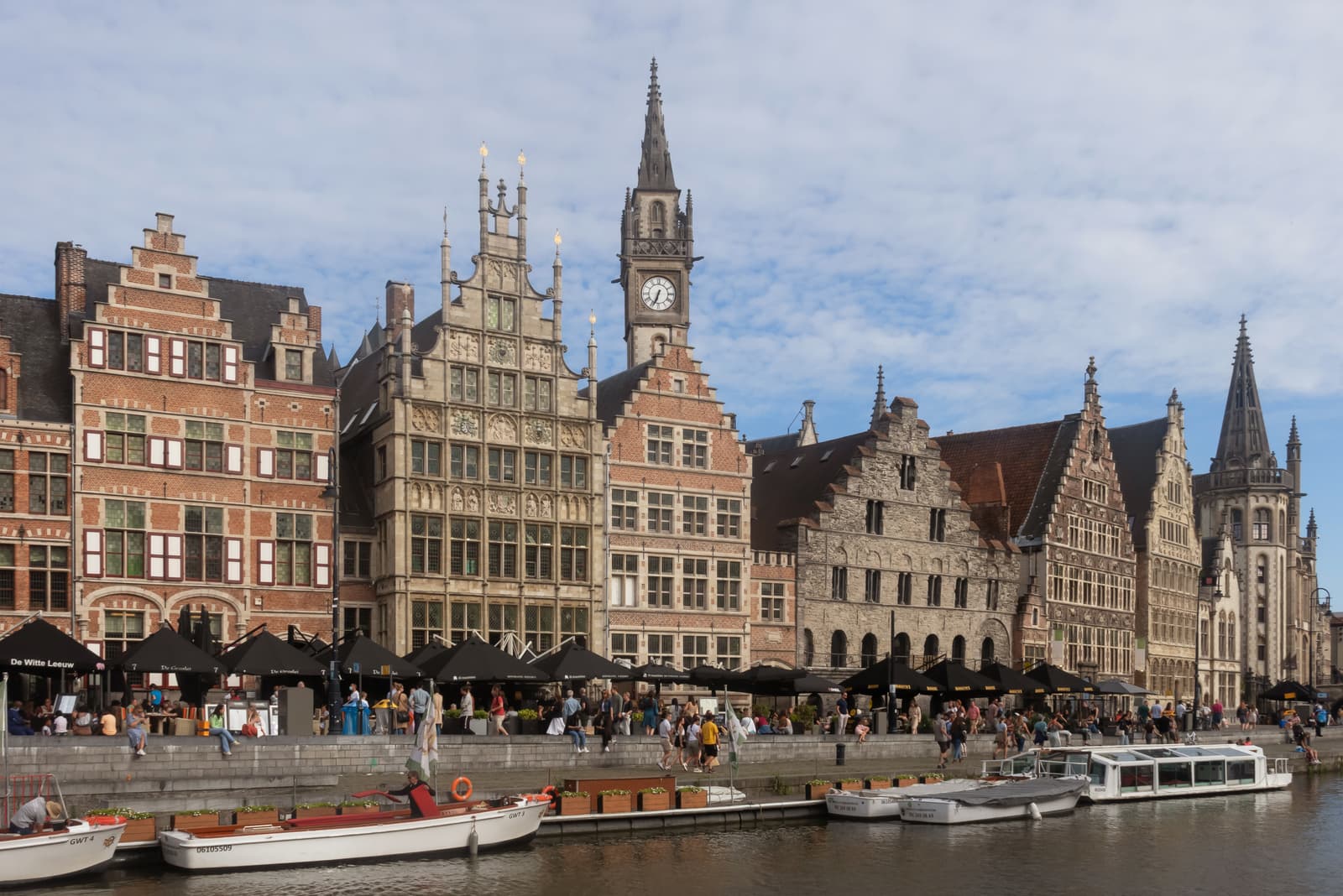
Belgium's best-kept secret — a medieval canal city with Gravensteen castle, the Ghent Altarpiece masterpiece, a thriving student scene, and all the beer and chocolate you'd expect, minus the Bruges crowds.
.jpg%3Fwidth%3D1280&w=1600&q=75)
Gothenburg
Sweden
Sweden's second city and largest port, founded by Dutch engineers in 1621 and still organised around their canal grid — a working harbour with a softer, friendlier feel than Stockholm, plus the country's best concentration of fish-market food, the wooden-house quarter of Haga, and Liseberg, the largest amusement park in Scandinavia. The Volvo and SKF factories anchor a strong industrial economy, but the visitor draws are the Feskekorka fish-market church on the canal, fika in the wooden cafes of Haga, and a half-day's boat hop to the car-free islands of the southern archipelago. Direct SJ high-speed trains reach Stockholm in 3 hours and Copenhagen in 3 hours 30.