Compare 576 Travel Destinations
374 of 576 guides match

San Francisco
United States
San Francisco is one of America's most beautiful cities — the Golden Gate Bridge, cable cars climbing steep hills, and Victorian painted ladies are just the start. Fisherman's Wharf, Alcatraz, the Mission District's murals, and some of the country's best food (from sourdough to dim sum) make it endlessly explorable. Bring a jacket — the fog is real.

San Juan
Puerto Rico
The oldest city under the US flag (founded 1521) wraps two massive 16th-century Spanish forts — Castillo San Felipe del Morro guarding the bay entrance and Castillo San Cristóbal protecting the landward approach — inside seven blocks of cobalt-cobblestone Old San Juan. UNESCO-listed, walkable in a day, and the only Spanish colonial capital you can reach with a US driver’s license. Add the El Yunque rainforest (the only US national rainforest), the bioluminescent bays of Vieques and Fajardo, and the salsa clubs of Santurce — it’s the most culturally distinctive US destination most US travellers haven’t visited.

San Miguel de Allende
Mexico
A UNESCO World Heritage colonial town in central Mexico's Bajío highlands — the neo-Gothic pink-stone Parroquia de San Miguel Arcángel rises above the Jardín plaza like nothing else in Mexico, lit gold at sunset and pink at dawn. Cobblestone streets wind past 18th-century pastel houses, the Fábrica La Aurora art and design centre, the hot springs of Atotonilco, and a 10,000-strong North American expat community that has shaped the town since 1950. Day of the Dead and the Festival of San Miguel Arcángel (with the famous 4am Alborada fireworks) are the two most spectacular festivals in Mexico's calendar — both happen here.

San Sebastián
Spain
Europe's pintxos capital with the highest density of Michelin stars per capita. La Concha beach is one of the continent's finest, and Basque culture adds a unique flavor to everything.

Santa Fe
United States
America's oldest state capital (1610) at 7,200 feet — a high-desert city built in Pueblo adobe style where the Palace of the Governors is the oldest continuously occupied public building in the US. Canyon Road's 80 galleries make this the densest concentration of art in North America. Meow Wolf's immersive art installation is unlike anything else on Earth. "Red or green?" (chile sauce) is the official state question.

Santiago
Chile
Chile's capital sits in a valley framed by the snow-capped Andes. A modern, walkable city with excellent wine bars, the bohemian Barrio Bellavista, world-class seafood, and ski resorts just an hour away. The gateway to Patagonia and the Atacama.

Santo Domingo
Dominican Republic
The oldest European-settled city in the Americas, with a UNESCO colonial zone, merengue-fueled nightlife, and Dominican cuisine. Gateway to the country's beaches and mountains.

São Paulo
Brazil
South America's largest metropolis is a powerhouse of culture, cuisine, and nightlife. The food scene rivals any city on earth with incredible Japanese, Italian, and regional Brazilian restaurants. Vila Madalena's street art and Paulista Avenue's energy define the city.
Sapporo
Japan
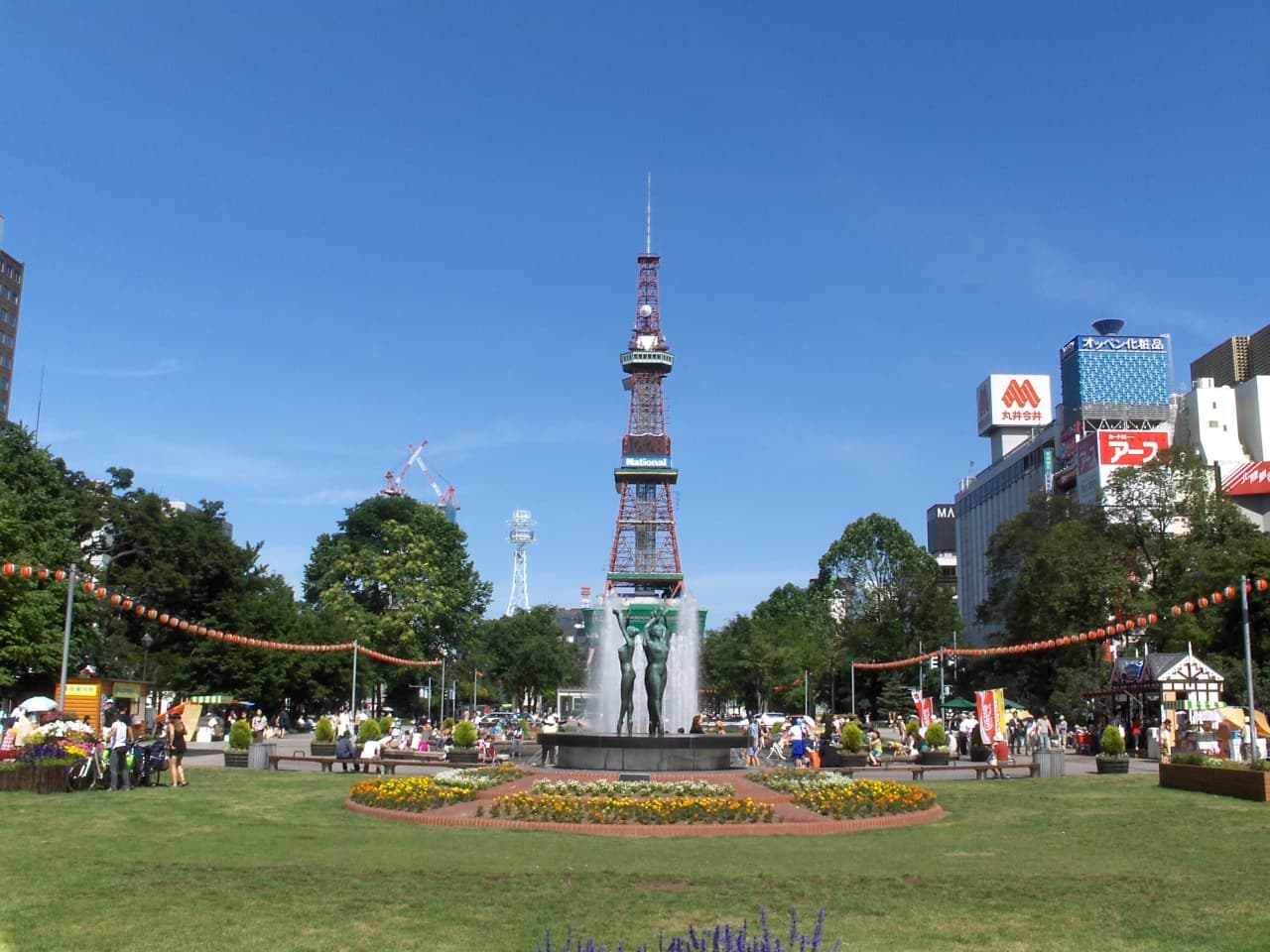
The capital of Hokkaido and Japan’s 5th-largest city — a 1.97-million-person grid laid out in 1869 with Boston-influenced street planning during Japan’s rapid Hokkaido colonisation, now the gateway to the country’s northernmost main island. Sapporo invented miso ramen (1955) and soup curry (1971); the Snow Festival every February draws 2+ million people to see 200+ massive snow and ice sculptures up to 15 m tall; Niseko’s premier-tier powder skiing is 90 minutes west; Susukino is Japan’s third-largest nightlife district after Tokyo’s Kabukicho and Osaka’s Dotonbori. Add the original Sapporo Beer Garden’s Genghis Khan jingisukan barbecue, the morning sushi at Nijo Market (Hokkaido seafood at half the Tokyo price), and Mount Moiwa’s sunset — one of Japan’s "Three Greatest Night Views".

Sarajevo
Bosnia and Herzegovina
The city where WWI started (Latin Bridge, 1914) and where the longest siege of a modern capital ended (1,425 days, 1992–1995). Ottoman Baščaršija bazaar, the Gazi Husrev-bey Mosque, the War Tunnel Museum, and the haunting War Childhood Museum sit in a valley where Orthodox, Catholic, Muslim, and Jewish monuments stand within 400 metres of each other — "Jerusalem of Europe." The 1984 Winter Olympics ski slopes are 45 minutes away.

Savannah
United States
Savannah is Spanish moss, cobblestone streets, and 22 garden squares laid out in 1733 — one of the most perfectly preserved colonial grids in America. It's also a to-go-cup town where SCAD art students, ghost tours, and century-old dining rooms like Mrs. Wilkes share the same shady blocks. Beach day at Tybee Island is 20 minutes east.

Seattle
United States
Seattle sits on a stretch of Puget Sound backed by the Cascades — with Mt. Rainier dominating the skyline on clear days. Pike Place Market's fish-tossing, the Space Needle's rotating deck, Chihuly glass art, and a coffee culture that invented the global latte. Ferries to Bainbridge and island-hop weekends are part of the deal.

Seoul
South Korea
Seoul is a high-octane blend of ancient palaces and K-pop culture, street food alleys and neon-lit shopping districts. The city moves fast — cutting-edge technology, 24-hour everything, and one of the world's best subway systems. Yet ancient hanok villages and serene temples exist just minutes from the buzz.

Seville
Spain
Seville is Spain at its most passionate — flamenco, tapas, orange trees, and a cathedral that took a century to build. The Alcazar palace rivals the Alhambra, the barrio of Santa Cruz is endlessly wanderable, and the energy of Feria de Abril and Semana Santa processions is electric. Extremely hot in summer but magical in spring and fall.

Shanghai
China
China's most cosmopolitan city dazzles with the futuristic Pudong skyline, historic Bund waterfront, and French Concession tree-lined streets. A global financial hub that blends old Shanghai charm with cutting-edge modernity, incredible food, and world-class art scenes.

Sharjah
United Arab Emirates
The UAE's third emirate and its self-styled cultural capital, sitting just 30 minutes north of Dubai but operating on a different frequency. Sharjah is a UNESCO Creative City home to the Sharjah Art Foundation and the Sharjah Biennial, with a restored Heart of Sharjah heritage quarter, Souq Al Arsah (one of the oldest in the UAE), and the cascading Ottoman-style domes of Al Noor Mosque on the Buhaira corniche. It is also a dry emirate with no alcohol and a more conservative dress code than its glassy neighbour, which is the trade-off for getting Emirati culture, museums, and pearl-diving heritage rather than rooftop pool clubs.

Sharm El Sheikh
Egypt
Egypt's flagship Red Sea resort city, built around the southern tip of the Sinai Peninsula where the Gulf of Aqaba meets the Gulf of Suez. The combination of year-round 25-degree water, vertical coral walls metres from shore, and one of the planet's best wreck dives (the SS Thistlegorm, a WWII supply ship sunk in 1941) made Sharm a global diving capital. Naama Bay anchors the all-inclusive strip, Ras Mohammed National Park guards the most pristine reefs at the peninsula tip, and the Strait of Tiran islands sit a short boat ride offshore.

Sibiu
Romania
The most polished of the seven Saxon walled cities of Transylvania — a UNESCO-listed medieval centre founded by German colonists in 1190 and stitched together by tiered Upper Town and Lower Town squares connected by the Liars' Bridge. The houses with the famous narrow attic windows, the eyes of Sibiu, peer down from terracotta rooftops onto Piata Mare. The Brukenthal National Museum, opened in 1817, is one of the oldest in Eastern Europe; ASTRA, on the southern outskirts, is the largest open-air ethnographic museum in Europe. Sibiu was the 2007 European Capital of Culture and has stayed at that level since.

Siem Reap
Cambodia
Gateway to the magnificent Angkor Wat temple complex, Siem Reap is more than just temples. Pub Street nightlife, floating villages on Tonlé Sap lake, Cambodian cooking classes, and circus performances make it a destination in its own right.

Sigiriya
Sri Lanka
Sigiriya — Lion Rock — is a 200-metre granite monolith rising out of the central Sri Lankan jungle, with the ruined 5th-century palace of King Kashyapa I built across its summit. UNESCO inscribed it in 1982. The climb up takes 60–90 minutes via the giant lion's-paw stone gateway, the spiral staircase past the 1,500-year-old fresco maidens, and the polished mirror wall covered in graffiti from the 8th–10th centuries. The water gardens at the base are among the oldest landscaped gardens in Asia. The neighbouring Pidurangala Rock gives the best view of Sigiriya itself and is a far cheaper climb.

Singapore
Singapore
Singapore packs an extraordinary amount into a tiny island — futuristic supertrees next to colonial shophouses, Michelin-starred hawker stalls alongside luxury hotels. It's spotlessly clean, incredibly efficient, and home to one of the world's best food scenes. A melting pot of Chinese, Malay, Indian, and Western cultures.

Siwa Oasis
Egypt
A Berber oasis of date palms and salt lakes 50 km from the Libyan border, marooned in the Western Desert at the bottom of the Qattara Depression. Siwa was the seat of the Oracle of Amun (consulted by Alexander the Great in 331 BC, who is said to have been told he was the son of a god) and is built around the eroded mud-brick ruin of Shali Fortress, which melted in three days of unprecedented rain in 1926. The Siwi people speak their own Berber language, eat their own food, and have kept the oasis culturally distinct from Arabic Egypt across the 8-10 hour drive from Cairo.

Skardu
Pakistan
Baltistan's Indus-valley capital at 2,228m, ringed by 6,000m Karakoram walls and the launching ramp for K2, Concordia, and the Deosai Plains. The bazaar runs along Yadgar Chowk with cantilever wooden balconies and Balti tea houses; Shigar Fort restored by the Aga Khan Trust sits 30 km north on the Shigar River; Lower Kachura (Shangrila Resort) glints emerald against grey scree; and the road south climbs to Deosai National Park, the world's second-highest plateau at 4,114m. Tibetan-rooted Balti culture, Shia hospitality, and the calmest corner of northern Pakistan.

Skopje
North Macedonia
North Macedonia's capital and Europe's cheapest, where the controversial Skopje 2014 government project blanketed the centre in giant marble statues, neoclassical facades and bridges of warriors over the Vardar river. Cross the 15th-century Stone Bridge into the Old Bazaar — the largest surviving Ottoman-era bazaar in the Balkans outside Istanbul, a warren of caravanserais, hammams, mosques and copper-beating workshops. Mother Teresa was born here in 1910 and her birthplace is marked with a memorial house. The Mt Vodno cable car climbs to the world's largest standing cross. Daily mid-range budget under €60.