Quick Verdict
Pick Sapporo if Yuki Matsuri ice sculptures, Susukino miso ramen, and Niseko powder beat neon-saturated chaos. Pick Tokyo if Shibuya scramble, Tsukiji breakfasts, and 14-line subway density beat northern quiet.
The real difference is price
These two play in different price tiers: Tokyo runs roughly 67% cheaper day to day ($120 vs $200 per day mid-range). Start with your budget — everything else on this page is secondary to that gap.
Can't pick? Visit both.
Build a trip that includes Sapporo and Tokyo, with complementary stops we'll suggest.
🏆 Tokyo wins 87 OVR vs 78 · attribute matchup 3–5
Keep exploring
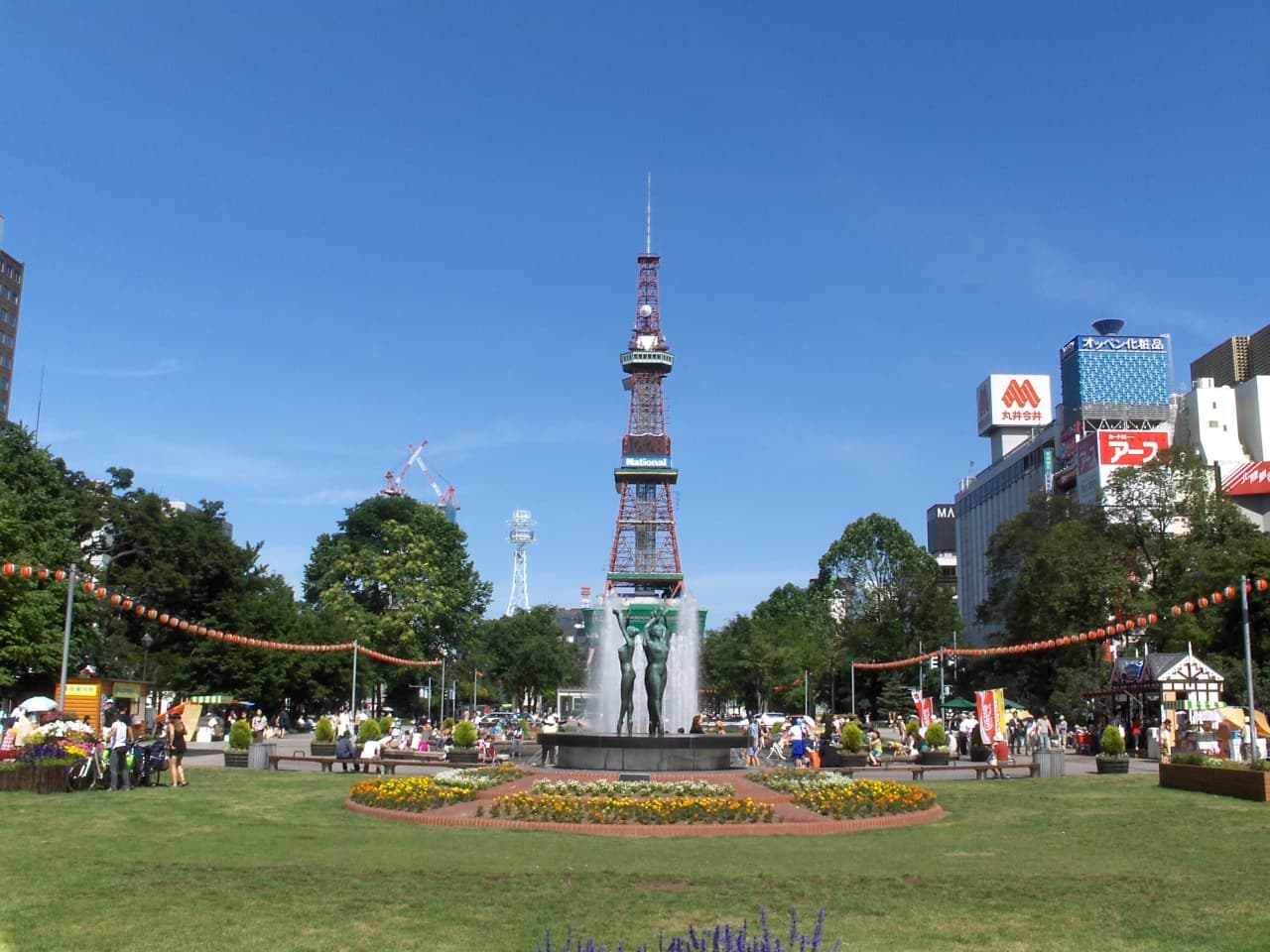
Sapporo
Japan

Tokyo
Japan
Sapporo
Tokyo
How do Sapporo and Tokyo compare?
Two Japans in one trip is the real question here, and it usually comes down to whether you want the country's deepest urban density or its widest northern sky. Tokyo is 14 train lines crossing under your feet at Shinjuku, a Tsukiji tuna breakfast that ends before 9 AM, and Shibuya neon reflecting off wet pavement after midnight. Sapporo is grid-planned streets you can actually understand, the yeasty steam off a Susukino miso-ramen counter, and a 90-minute drive to Niseko powder that ranks among the world's best.
Mid-range nights run $120 in Tokyo against $200 in Sapporo — the capital is genuinely cheaper because Hokkaido inherits a resort-town surcharge, especially January through March. Tokyo wins on transit (the Yamanote loop hits 30 neighborhoods in 60 minutes) and on cultural depth (Senso-ji, the Imperial Palace gardens, teamLab Borderless, Mori Art Museum). Sapporo wins on nature access and summer comfort: while Tokyo stews at 35°C and 80% humidity in August, Sapporo holds 26°C and dry, with lavender fields a 90-minute Limited Express ride to Furano.
Practical tip: book the JR Hokkaido Rail Pass before you fly if Sapporo is the destination, and time it for early February to catch the Yuki Matsuri snow-festival ice sculptures in Odori Park — the city's defining week. The two pair naturally on a 10-day itinerary: 4 nights Tokyo, overnight sleeper or 90-minute flight to Sapporo, 4 nights Hokkaido, fly back from New Chitose. Pick Tokyo for cultural saturation and Michelin density. Pick Sapporo for ramen at the source and breathing room.
💰 Budget
🛡️ Safety
Sapporo
Sapporo is one of the safest large cities in the world — Japan's overall low crime rate combined with Hokkaido's especially community-oriented culture. Violent crime is rare; pickpockets exist in Susukino on weekend nights but are uncommon. The genuine concerns for visitors are environmental (extreme winter cold, slippery icy sidewalks) and the touts in Susukino aggressively pulling tourists into overpriced "international" bars. Solo female travellers report Sapporo as one of the most comfortable cities in Asia.
Tokyo
Tokyo is one of the safest major cities in the world. Violent crime against tourists is extremely rare. You can walk virtually anywhere at any hour. Lost items are frequently returned, and the biggest "risks" are generally limited to crowded trains during rush hour.
🌤️ Weather
Sapporo
Sapporo has a humid continental climate — long, cold, snowy winters (December–March, regular -10°C lows, ~6 m of seasonal snowfall in the city) and pleasantly warm summers (June–August, 20–28°C with low humidity vs. mainland Japan). Spring and autumn are short but spectacular. Sapporo gets the most snow of any major city of its size in the world (~6 m/year) — the city's underground passageways were built to keep walking commerce alive in deep winter.
Tokyo
Tokyo has four distinct seasons. Summers are hot and humid, winters are mild and dry. Spring and fall are the most pleasant times to visit.
🚇 Getting Around
Sapporo
Sapporo has one of Japan's smaller urban-rail networks — three subway lines, a single tram line, and the JR rail network covering Hokkaido. The grid layout makes navigation simple: streets are numbered (north/south) and sectorised (east/west). Most central tourist sights are within a 30-min walk of Odori subway. Heated underground walkways link downtown buildings, allowing winter walking commerce. Niseko and Otaru day trips are easy by JR train or highway bus.
Walkability: Sapporo's downtown grid is excellent for walking — central Sapporo Station to Susukino is 20 min on foot via the underground walkway. The block sizes and numbered streets make navigation simple. Winter walking is feasible if you have appropriate ice grippers; the 520-m underground Chikaho walkway provides indoor through-traffic during the heaviest snow.
Tokyo
Tokyo has the world's best public transit system. The train and subway network will get you within walking distance of virtually anything. Taxis are clean and honest but expensive.
Walkability: High within neighborhoods. The city is sprawling so you'll use transit between areas, but individual districts like Shibuya, Shinjuku, Asakusa, and Ginza are very walkable.
📅 Best Time to Visit
Sapporo
Feb, May–Aug, Oct
Peak travel window
Tokyo
Mar–Apr, Oct–Nov
Peak travel window
The Verdict
Choose Sapporo if...
you want northern Japan’s biggest city with the world’s greatest snow festival, world-class miso ramen at the source, Niseko ski access, and a cool dry escape from mainland Japan’s humid summer
Choose Tokyo if...
you want world-class food, cutting-edge technology, and deeply respectful culture mixed with neon-lit nightlife
Frequently asked
Is Sapporo or Tokyo cheaper?
Tokyo is cheaper on average. A mid-range day in Sapporo costs about $200 vs $120 in Tokyo, so Tokyo saves you roughly $80 per day compared to Sapporo.
Is Sapporo or Tokyo safer?
Sapporo and Tokyo score equally on our safety index (92/100). Specific risks differ by neighborhood — check the Safety section on each guide.
Is it easier to get by with English in Sapporo or Tokyo?
English is more widely spoken in Sapporo (3/5 vs 2/5 on our scale). You'll find it easier to order food, ask for directions, and navigate transit in Sapporo.
When is the best time to visit Sapporo vs Tokyo?
Sapporo peaks in Feb, May–Aug, Oct. Tokyo peaks in Mar–Apr, Oct–Nov. Both peak in Oct, so a single trip pairs them naturally.
How long is the flight from Sapporo to Tokyo?
Roughly 1h 34m on a direct flight (about 835 km / 518 mi). One-way fares typically run $120-350 depending on season and how far in advance you book.
How do daily costs in Sapporo and Tokyo compare?
In Sapporo: budget ~$60-110/day, mid-range ~$130-280/day, luxury ~$400-1500/day. In Tokyo: budget ~$50–80/day, mid-range ~$120–200/day, luxury ~$350+/day.
You might also compare
SapporovsTokyo
Try another