Quick Verdict
Pick Santorini for Oia blue-domed sunsets, caldera infinity pools, and Ammoudi Bay octopus with Assyrtiko. Pick Tulum if cenote dives, jungle eco-resorts, and clifftop Mayan ruins above turquoise water frame the week.
The real difference is price
These two play in different price tiers: Tulum runs roughly 83% cheaper day to day ($150 vs $275 per day mid-range). Start with your budget — everything else on this page is secondary to that gap.
Can't pick? Visit both.
Build a trip that includes Santorini and Tulum, with complementary stops we'll suggest.
🏆 Santorini wins 74 OVR vs 67 · attribute matchup 5–2
Keep exploring

Santorini
Greece
Tulum
Mexico
Santorini
Tulum
How do Santorini and Tulum compare?
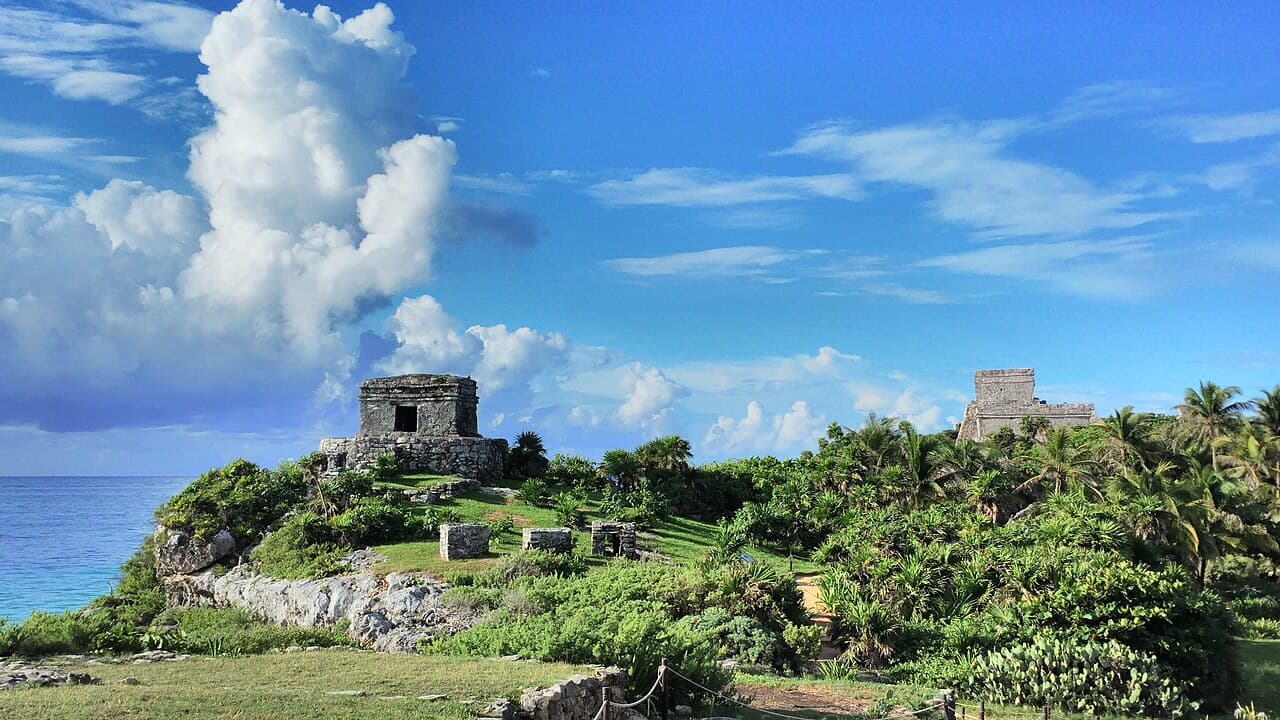
Two of the most photographed destinations on the planet, and both have outgrown their original quiet versions. Tulum is the Mexican Caribbean coast where Mayan ruins sit on a low cliff over turquoise water, jungle eco-resorts run on generators, cenotes (limestone sinkholes) hide in the inland scrub for snorkel days, and the beach road is a string of $25-cocktail clubs with bohemian-instagram aesthetics. Santorini is the Greek caldera island where Oia's blue-domed churches sit 300 meters above a sunken volcanic crater, white-washed cliffside hotels stack down to infinity pools, and dinner at Ammoudi Bay is fresh octopus with a glass of Assyrtiko.
Mid-range budgets land surprisingly close — Tulum at $180 a day, Santorini at $160 — but the luxury tier explodes faster in Tulum, where beach-club brunch is $80 a head and a jungle suite runs $600+. Santorini's safety score is significantly higher; Tulum has had real cartel-related concerns in recent years, and most travelers stick to the hotel zone and pre-arranged drivers rather than walking the beach road after dark. Tulum peaks November to April (hurricane season closes the summer); Santorini peaks May-June and September-October to dodge the July-August cruise crush.
Practical note on Tulum: rent a bicycle for the hotel zone — the road is flat, the cabs gouge, and parking is a nightmare. On Santorini, base in Imerovigli rather than Oia for the same caldera view at a third of the crowd. Pick Tulum for jungle-meets-Caribbean, cenote swims, and a tropical bohemian week; Santorini for cliffside Mediterranean drama, volcanic-soil wines, and the kind of sunset you actually remember.
If you have to pick one for a beach-and-photo week, Tulum gives you more variety inside a single trip — cenote dives in the morning, Mayan ruins at sunrise, jungle yoga at the eco-resort, beach club afternoon. Santorini is more focused: caldera views, infinity pools, sunset dinner, repeat. Standard combined Caribbean-Greece splits don't work because of the flight geometry, so most travelers pick one and commit. The exception is a Mexico-plus-Athens-stopover routing where you give Tulum 5 nights and Santorini 4 with an Athens day in between.
💰 Budget
🛡️ Safety
Santorini
Santorini is very safe for travelers. Violent crime is virtually nonexistent. The main risks are physical hazards like steep caldera paths, intense sun exposure, and swimming in unfamiliar waters. Petty theft can occur in crowded areas during peak season.
Tulum
Tulum is generally safe for tourists in designated areas but requires more vigilance than its boho-paradise image suggests. Between 2021 and 2023, cartel-related violence affected the Riviera Maya region, including incidents in and near Tulum — including a beach club shooting in 2021 that injured foreign tourists. The situation has stabilized but the underlying risk remains. Petty crime, ATM skimming, and drug-related pressure are the most common traveler concerns. Stick to tourist zones, use official or app-based transport, and avoid isolated beaches at night.
🌤️ Weather
Santorini
Santorini has a hot Mediterranean climate with long, dry summers and mild, rainy winters. The island gets over 300 days of sunshine per year. Strong winds (the meltemi) blow from the north in July and August, providing relief from heat but affecting ferry schedules.
Tulum
Tulum has a tropical wet-dry climate. Temperatures are warm year-round, ranging from 22°C at night in winter to 34°C on summer afternoons. The dry season (November through April) is peak tourist season with low humidity, calm seas, and almost no rain. The wet season (June through November) brings daily afternoon thunderstorms, higher humidity, hurricane risk, and the annual sargassum seaweed invasion. April through September see the heaviest seaweed on beaches.
🚇 Getting Around
Santorini
Santorini has limited public transit. KTEL buses connect Fira to most villages and beaches but service is infrequent outside summer. Renting a car or ATV is the most practical way to explore the island independently. Taxis are scarce and expensive in peak season.
Walkability: Fira and Oia are walkable within each village, though steep stairs are everywhere. The Fira-to-Oia caldera hike (10 km, 3-4 hours) is the best way to see the island on foot. Getting between villages without a vehicle requires the bus network.
Tulum
Tulum has no unified public transport system and navigating between its two zones is one of the main practical frustrations of a visit. The Zona Hotelera beach road is 8-10 km long with no bus service — getting around requires taxis, bicycles, scooters, or rental cars. In Tulum Pueblo, colectivos (shared vans) connect efficiently to Playa del Carmen, Cobá, and other destinations. The Maya Train added a new option for intercity travel but its Tulum station is several kilometers from both zones.
Walkability: Tulum Pueblo is walkable within its compact grid — the main strip (Avenida Tulum) has restaurants, shops, and services within a few blocks. The Zona Hotelera is emphatically not walkable at 8-10 km long with no sidewalks for much of its length. Between the two zones (5 km) is a bikeable but long walk. A bicycle or scooter is essential for any real exploration.
📅 Best Time to Visit
Santorini
May–Jun, Sep–Oct
Peak travel window
Tulum
Jan–Apr, Nov–Dec
Peak travel window
The Verdict
Choose Santorini if...
you want the caldera sunset postcard — Oia blue domes, Red Beach, volcano hot springs, Assyrtiko wine, and whitewashed cliff hotels over the Aegean
Choose Tulum if...
you want Mayan cliff ruins above turquoise Caribbean, cenote diving, and a boho-chic beach scene (with eye-watering hotel-zone prices)
Santorini
Frequently asked
Is Santorini or Tulum cheaper?
Tulum is cheaper on average. A mid-range day in Santorini costs about $275 vs $150 in Tulum, so Tulum saves you roughly $125 per day compared to Santorini.
Is Santorini or Tulum safer?
Santorini scores higher on our safety index (85/100 vs 58/100). Santorini is very safe for travelers.
Which has better weather, Santorini or Tulum?
Tulum has the more temperate climate year-round. Tulum has a tropical wet-dry climate. Temperatures are warm year-round, ranging from 22°C at night in winter to 34°C on summer afternoons. The dry season (November through April) is peak tourist season with low humidity, calm seas, and almost no rain. The wet season (June through November) brings daily afternoon thunderstorms, higher humidity, hurricane risk, and the annual sargassum seaweed invasion. April through September see the heaviest seaweed on beaches.
When is the best time to visit Santorini vs Tulum?
Santorini peaks in May–Jun, Sep–Oct. Tulum peaks in Jan–Apr, Nov–Dec. Their peak windows do not overlap, so most travelers pick one and go deep rather than rushing both in one trip.
How long is the flight from Santorini to Tulum?
Roughly 13h 2m on a direct flight (about 10,577 km / 6,568 mi). One-way fares typically run $700-1800 depending on season and how far in advance you book.
How do daily costs in Santorini and Tulum compare?
In Santorini: budget ~$70-110/day, mid-range ~$200-350/day, luxury ~$500+/day. In Tulum: budget ~$35-55/day, mid-range ~$100-200/day, luxury ~$400-1,500+/day.
How many days do I need in Santorini vs Tulum?
Plan 3-4 days in Santorini and 5-6 in Tulum. Santorini is small enough to cover Oia, Fira, and a wine tour in three days; a fourth day handles Akrotiri archaeology or a catamaran sail. Tulum needs more time because the cenotes, Coba ruins, Sian Ka'an biosphere, and the beach road itself each deserve a half-day minimum.
Which is better for honeymooners?
Santorini is the more obvious honeymoon pick — caldera-view suites, candlelit Ammoudi Bay dinners, and that unmistakable blue-and-white sunset visual carry the week. Tulum works for couples who want jungle eco-luxe over cliffside polish: open-air cabanas at Azulik, cenote swims at dawn, and beach clubs that turn into candle-lit dinners after sunset.
Is Tulum safe right now?
The hotel zone and Centro are generally fine in daylight, but Tulum has had real cartel-related incidents in recent years and most travelers stick to pre-arranged drivers after dark rather than walking the beach road. Use registered taxis or the hotel shuttle, skip remote cenotes alone at sunset, and avoid the after-hours club scene unless you're with a group.
Can I do both Santorini and Tulum on one trip?
Geographically rough but doable. The most common routing is a US East Coast home base, fly to Cancún for 5 nights with the Tulum collectivo down from the airport, then a separate Athens-Santorini leg for 4 nights via the Blue Star Ferry. Don't try to chain them back-to-back; break with a few days at home or Athens to reset.
Where should I stay on each?
On Santorini, base in Imerovigli for caldera views without the Oia crowd crush, or Pyrgos for a quieter inland village feel at half the price. In Tulum, the beach road (Zona Hotelera) gives you sand-out-the-door but $25 cocktails; the Aldea Zama and Centro neighborhoods cut the cost in half and are 5 minutes by bike to the beach.
What food shouldn't I miss?
Santorini: fresh octopus and Assyrtiko white wine at Ammoudi Bay's tavernas, fava bean spread, tomato fritters at Selene, and the white eggplant only grown on the island. Tulum: fish tacos at Antojitos La Chiapaneca, Yucatecan cochinita pibil, ceviche at Mateo's, and a wood-fire dinner at Hartwood if you can get the 3pm walk-up reservation slot.
You might also compare
SantorinivsTulum
Try another