San Miguel de Allende vs Tulum
Which destination is right for your next trip?
Last updated
Quick Verdict
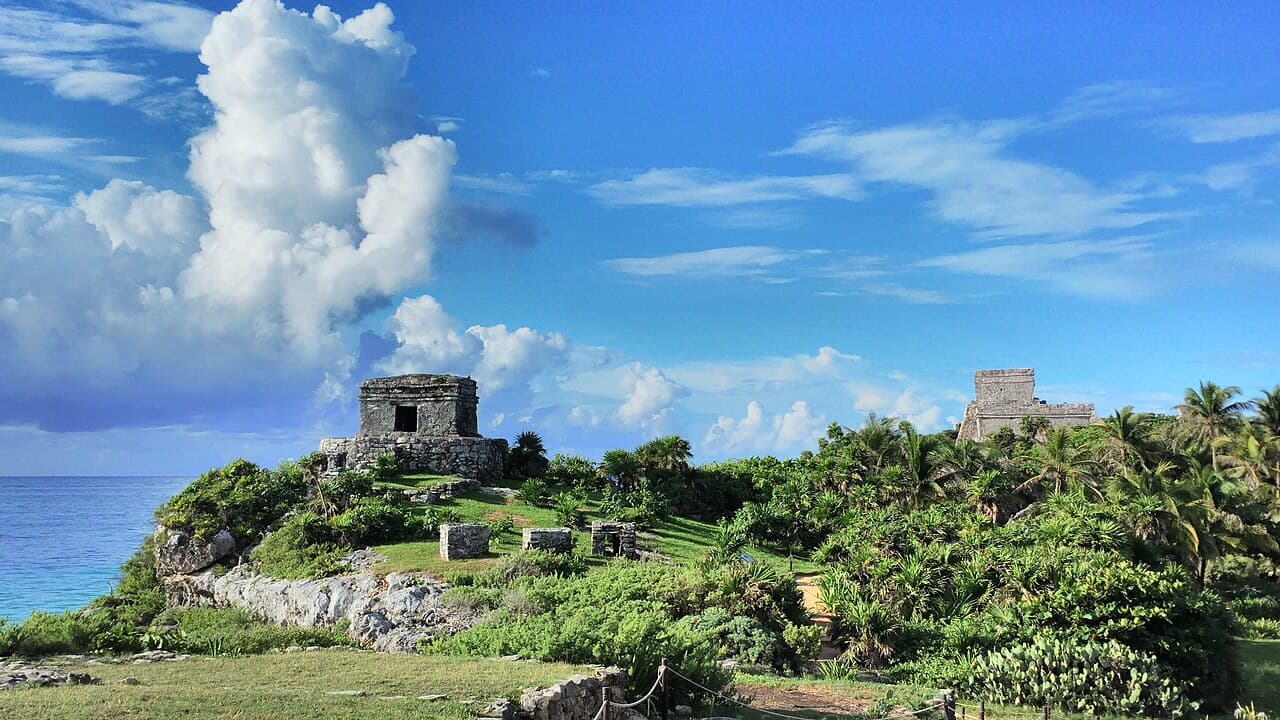
Pick San Miguel de Allende if Parroquia spires, mariachi nights, and Day of the Dead marigolds beat beach time. Pick Tulum if cenote dives, cliff-top Mayan ruins, and Caribbean swims beat colonial town walks.
Can't pick? Visit both.
Build a trip that includes San Miguel de Allende and Tulum, with complementary stops we'll suggest.
🏆 San Miguel de Allende wins 74 OVR vs 67 · attribute matchup 5–3
Keep exploring

San Miguel de Allende
Mexico
Tulum
Mexico
San Miguel de Allende
Tulum
How do San Miguel de Allende and Tulum compare?
By the time you've landed in Mexico City or Cancún, the question becomes whether you want the country's most photogenic colonial town or its most photographed beach. San Miguel de Allende is 6,200-foot mountain air at a steady 22°C — pink-stone Parroquia spires lit at dusk, mariachi at the Jardín, and craft galleries packed into a UNESCO grid you can walk in flats. Tulum is sticky Caribbean-coast heat, cliff-top Mayan ruins above turquoise water, cenote dives in El Pit and Dos Ojos, and a beach road of bohemian cabanas charging Ibiza prices.
Mid-range nights actually favor Tulum on paper — $150 against San Miguel's $200 — but that disguises the trap. San Miguel hotels are the all-in price; Tulum's hotel-zone numbers balloon once you factor in $25 cab rides to dinner, $300 cabana 'eco-luxe' upgrades, and 18% beach-club minimums. Safety tilts harder toward San Miguel (78 vs 58), and it's the difference between walking back from a 10pm rooftop versus calling a vetted driver. San Miguel rewards slow days: Day of the Dead in early November is a marigold-scented week the country doesn't produce anywhere else.
Pro tip: stay in Tulum Pueblo, not the beach road — rates drop 60%, taco stands are 10x cheaper, and a $2 colectivo runs to the beach every 15 minutes. For San Miguel, fly into León (BJX), not Mexico City — it's a 90-minute shuttle versus 4 hours.
💰 Budget
🛡️ Safety
San Miguel de Allende
San Miguel de Allende is among the safest mid-sized cities in Mexico — the State Department travel advisory for Guanajuato State (where San Miguel sits) is at Level 3 ("Reconsider Travel") because of cartel violence in the southern industrial corridor (Celaya, Salamanca, Irapuato), but San Miguel itself has been carved out as an island of stability protected by its tourism economy and large expat population. Walking around Centro day or night is comfortable. Pickpockets in crowds and rare car-theft incidents are the main concerns.
Tulum
Tulum is generally safe for tourists in designated areas but requires more vigilance than its boho-paradise image suggests. Between 2021 and 2023, cartel-related violence affected the Riviera Maya region, including incidents in and near Tulum — including a beach club shooting in 2021 that injured foreign tourists. The situation has stabilized but the underlying risk remains. Petty crime, ATM skimming, and drug-related pressure are the most common traveler concerns. Stick to tourist zones, use official or app-based transport, and avoid isolated beaches at night.
🌤️ Weather
San Miguel de Allende
San Miguel sits at 6,200 ft (1,910m) elevation, giving it a temperate semi-arid climate that locals describe as "eternal spring" — daytime highs of 22-28°C virtually every month, cool nights (often below 10°C in winter), and a distinct rainy season June-September with afternoon thunderstorms. The dry season (October-May) is reliably sunny with low humidity. The thin air means UV is intense; sunburn happens fast even at moderate temperatures.
Tulum
Tulum has a tropical wet-dry climate. Temperatures are warm year-round, ranging from 22°C at night in winter to 34°C on summer afternoons. The dry season (November through April) is peak tourist season with low humidity, calm seas, and almost no rain. The wet season (June through November) brings daily afternoon thunderstorms, higher humidity, hurricane risk, and the annual sargassum seaweed invasion. April through September see the heaviest seaweed on beaches.
🚇 Getting Around
San Miguel de Allende
The historic Centro is small (1.5 km × 1.5 km) and walkable end-to-end in 20 minutes — although the cobblestone streets and altitude make it more tiring than it looks. Local taxis and Uber are cheap ($2-5 across town); buses run to outlying neighborhoods and Atotonilco; rental cars are useful only for excursions outside the city. The single most important transport decision: most visitors do not need a car.
Walkability: San Miguel's Centro is among the most walkable historic centres in Mexico — flat-ish (with notable ascents), compact (1.5 km × 1.5 km), and entirely traffic-calmed. The cobblestones and altitude make it more tiring than the distance suggests. Bring proper shoes; flip-flops and heels do not work.
Tulum
Tulum has no unified public transport system and navigating between its two zones is one of the main practical frustrations of a visit. The Zona Hotelera beach road is 8-10 km long with no bus service — getting around requires taxis, bicycles, scooters, or rental cars. In Tulum Pueblo, colectivos (shared vans) connect efficiently to Playa del Carmen, Cobá, and other destinations. The Maya Train added a new option for intercity travel but its Tulum station is several kilometers from both zones.
Walkability: Tulum Pueblo is walkable within its compact grid — the main strip (Avenida Tulum) has restaurants, shops, and services within a few blocks. The Zona Hotelera is emphatically not walkable at 8-10 km long with no sidewalks for much of its length. Between the two zones (5 km) is a bikeable but long walk. A bicycle or scooter is essential for any real exploration.
📅 Best Time to Visit
San Miguel de Allende
Feb–Apr, Oct–Nov
Peak travel window
Tulum
Jan–Apr, Nov–Dec
Peak travel window
The Verdict
Choose San Miguel de Allende if...
you want a UNESCO Spanish-colonial town with eternal-spring weather, world-class crafts, deep Mexican cultural festivals (Day of the Dead, Alborada), and a thriving expat-fueled gallery scene
Choose Tulum if...
you want Mayan cliff ruins above turquoise Caribbean, cenote diving, and a boho-chic beach scene (with eye-watering hotel-zone prices)
San Miguel de Allende
Frequently asked
Is San Miguel de Allende or Tulum cheaper?
Tulum is cheaper on average. A mid-range day in San Miguel de Allende costs about $200 vs $150 in Tulum, so Tulum saves you roughly $50 per day compared to San Miguel de Allende.
Is San Miguel de Allende or Tulum safer?
San Miguel de Allende scores higher on our safety index (78/100 vs 58/100). San Miguel de Allende is among the safest mid-sized cities in Mexico — the State Department travel advisory for Guanajuato State (where San Miguel sits) is at Level 3 ("Reconsider Travel") because of cartel violence in the southern industrial corridor (Celaya, Salamanca, Irapuato), but San Miguel itself has been carved out as an island of stability protected by its tourism economy and large expat population.
Which has better weather, San Miguel de Allende or Tulum?
San Miguel de Allende has the more temperate climate year-round. San Miguel sits at 6,200 ft (1,910m) elevation, giving it a temperate semi-arid climate that locals describe as "eternal spring" — daytime highs of 22-28°C virtually every month, cool nights (often below 10°C in winter), and a distinct rainy season June-September with afternoon thunderstorms. The dry season (October-May) is reliably sunny with low humidity. The thin air means UV is intense; sunburn happens fast even at moderate temperatures.
When is the best time to visit San Miguel de Allende vs Tulum?
San Miguel de Allende peaks in Feb–Apr, Oct–Nov. Tulum peaks in Jan–Apr, Nov–Dec. Both peak in Feb–Apr, Nov, so a single trip pairs them naturally.
How long is the flight from San Miguel de Allende to Tulum?
Roughly 2h 13m on a direct flight (about 1,384 km / 860 mi). One-way fares typically run $120-350 depending on season and how far in advance you book.
How do daily costs in San Miguel de Allende and Tulum compare?
In San Miguel de Allende: budget ~$60-110/day, mid-range ~$140-260/day, luxury ~$450-1200/day. In Tulum: budget ~$35-55/day, mid-range ~$100-200/day, luxury ~$400-1,500+/day.
You might also compare
San Miguel de AllendevsTulum
Try another