San Francisco vs Zion National Park
Which destination is right for your next trip?
Last updated
Quick Verdict
Pick San Francisco for Golden Gate fog, La Taqueria burritos, and Alcatraz boat days. Pick Zion National Park if 2,000-foot Navajo Sandstone walls, the Angels Landing chained ridge, and wading the Narrows define the trip.
Can't pick? Visit both.
Build a trip that includes San Francisco and Zion National Park, with complementary stops we'll suggest.
🏆 San Francisco wins 74 OVR vs 71 · attribute matchup 6–2
Keep exploring

San Francisco
United States
Zion National Park
United States
San Francisco
Zion National Park
How do San Francisco and Zion National Park compare?
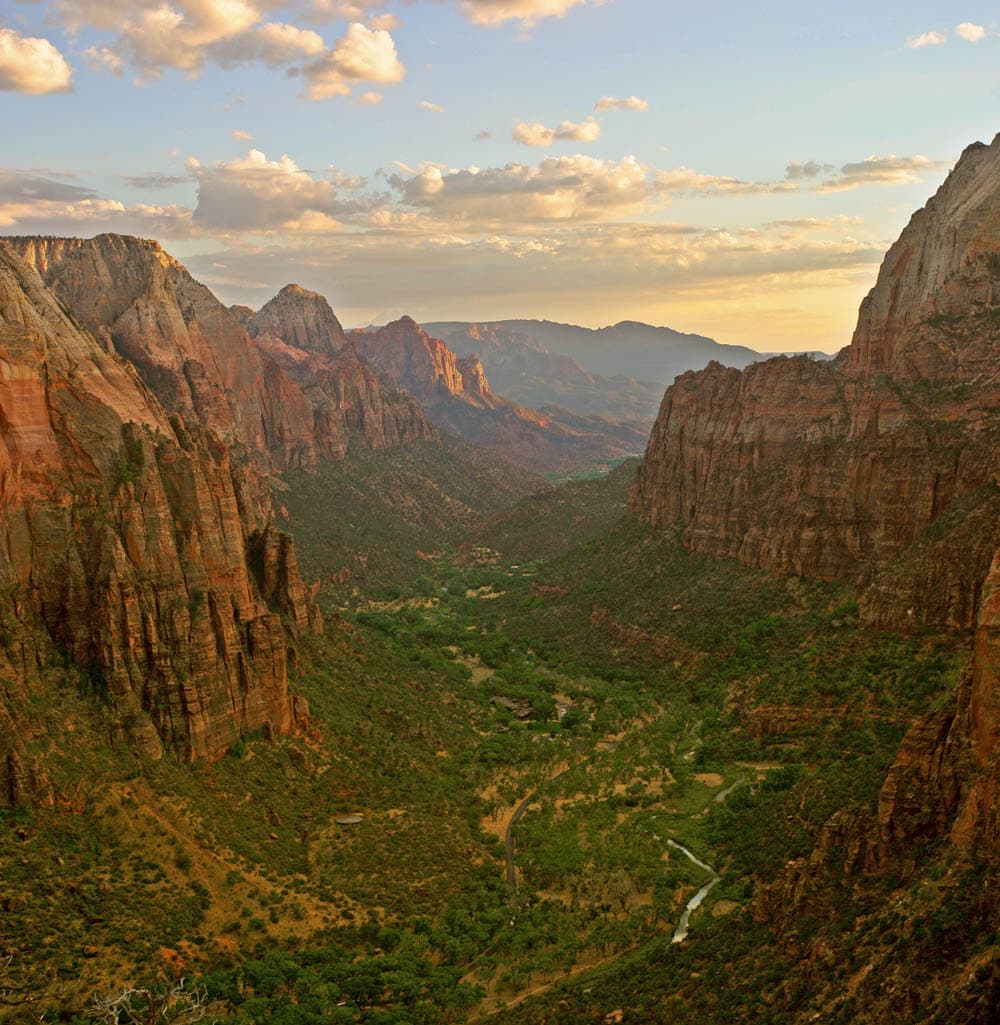
An odd pair on the map but a real Western road-trip fork. San Francisco is the Bay City — Golden Gate fog rolling through the Marin Headlands, cable cars on Powell, Mission burritos at La Taqueria, Castro pride on Market Street, and Napa or Muir Woods within an hour by car. Zion is the slot-canyon national park in southwest Utah — the Virgin River carving 2,000-foot Navajo Sandstone walls, Angels Landing's chained ridge requiring a permit lottery, the Narrows waded calf-deep upriver in canyoneering shoes, and a mandatory shuttle April through November because the canyon road is too narrow for cars.
Costs land closer than they appear — SF mid-range around $275/day, Zion around $310/day once Springdale gateway hotels (typically $200–300 in season) and shuttle-day logistics are factored in. SF wins on food, walkability, transit, nightlife, and museum density (de Young, SFMOMA, Asian Art). Zion wins on red-rock scenery, hiking variety (Emerald Pools, Observation Point, Watchman Trail), and the surreal experience of walking up a river through a canyon so narrow the sky becomes a slot. They are 750 miles apart — combining means flying from SFO to Las Vegas ($100–200 on Southwest, 1 hour 30 minutes) and driving 2 hours 45 minutes northeast through Mesquite to Springdale.
Zion's sweet spots are March–May and September–November — summer hits 38°C in the canyon and winter closes the upper Narrows. SF peaks May–June and September–October when the fog burns off earliest. A real combo trip is four nights SF then four in Springdale with day-trip add-ons to Bryce Canyon (90 minutes east) and Kolob Canyons. Pro tip: enter the Angels Landing permit lottery at least three months ahead via Recreation.gov; the day-before lottery exists but odds are brutal in shoulder season. Pick San Francisco for urban Northern California; pick Zion for the most accessible slot-canyon experience in the American Southwest.
💰 Budget
🛡️ Safety
San Francisco
San Francisco is generally safe for tourists in popular areas, but property crime (car break-ins, theft) is notably high. The Tenderloin and parts of SoMa have visible homelessness and open drug use. Use common sense and be vigilant with valuables.
Zion National Park
Crime at Zion is a non-issue — the real hazards are natural and they kill people every year. Flash floods, falls from Angels Landing, heat illness, hypothermia in the Narrows, and dehydration are the big five. The single most important pre-hike habit: check the NPS flash flood forecast at the visitor center or nps.gov/zion before ANY slot canyon or Narrows trip. "Probable" or "Expected" risk means do not enter — a storm 10 miles upstream can kill you even in bright sunshine at the trailhead.
🌤️ Weather
San Francisco
San Francisco has a mild Mediterranean climate with cool summers and wet winters. The city is famous for its summer fog — Mark Twain may not have actually said it, but the coldest winter really can feel like a San Francisco summer. Microclimates vary dramatically between neighborhoods.
Zion National Park
Zion's desert climate is defined by vertical relief — the canyon floor sits at 4,000 feet while the rims reach 6,500+ feet, meaning conditions can differ by 5-10°C between stops on the same hike. Summer is brutally hot on exposed trails (35-40°C) with dangerous afternoon monsoon thunderstorms and flash flood potential in slot canyons. Winter brings ice on Angels Landing and snow on the rims, with the canyon floor hovering between 0-15°C. Spring and fall are the ideal windows. The Virgin River stays a bracing 10-15°C year-round — plan Narrows gear accordingly.
🚇 Getting Around
San Francisco
San Francisco has a comprehensive public transit system operated by SFMTA (Muni) and BART. The Clipper Card works across all systems and is the easiest way to pay. Driving in the city is difficult due to hills, traffic, and expensive parking — transit, walking, and rideshares are strongly recommended.
Walkability: San Francisco is very walkable in flat areas like the Embarcadero, Marina, and Mission, but the steep hills can be exhausting. North Beach, Chinatown, and the Financial District are easily covered on foot. Wear comfortable shoes with good grip for the hills.
Zion National Park
Zion's transportation story is simple: the free park shuttle is MANDATORY on the Zion Canyon Scenic Drive April through late November — no private vehicles past Canyon Junction. The shuttle runs a 9-stop loop roughly every 10-15 minutes, takes about 45 minutes end-to-end, and stops at every major trailhead and viewpoint. Springdale (the gateway town) has its own free town shuttle connecting lodges, restaurants, and the park entrance. A private car is only useful on the main drive December through early March, for reaching Kolob Canyons (30 miles northwest, separate entrance), or for the Zion-Mt. Carmel Highway. There is no rideshare service inside the park.
Walkability: Springdale itself is extremely walkable — a linear town strung along Highway 9 with restaurants, outfitters, and lodges all within a mile of each other. Inside the park the shuttle handles the vertical distances; hiking trails are a mix of paved strolls (Riverside Walk, Pa'rus) and serious climbs (Angels Landing, Observation Point). Kolob Canyons has its own scenic drive and short trailheads but is not pedestrian-connected to the main canyon.
📅 Best Time to Visit
San Francisco
May–Jun, Sep–Oct
Peak travel window
Zion National Park
Mar–May, Sep–Nov
Peak travel window
The Verdict
Choose San Francisco if...
you want Golden Gate fog, cable cars, Alcatraz, Mission burritos, Castro pride, Napa + Muir Woods day-trips, and the original tech capital
Choose Zion National Park if...
you want red-rock slot canyons, Angels Landing's permit-lottery ridge, and the Narrows waded up the Virgin River
San Francisco
Zion National Park
Frequently asked
Is San Francisco or Zion National Park cheaper?
San Francisco is cheaper on average. A mid-range day in San Francisco costs about $275 vs $310 in Zion National Park, so San Francisco saves you roughly $35 per day compared to Zion National Park.
Is San Francisco or Zion National Park safer?
Zion National Park scores higher on our safety index (78/100 vs 62/100). Crime at Zion is a non-issue — the real hazards are natural and they kill people every year.
Which has better weather, San Francisco or Zion National Park?
San Francisco has the more temperate climate year-round. San Francisco has a mild Mediterranean climate with cool summers and wet winters. The city is famous for its summer fog — Mark Twain may not have actually said it, but the coldest winter really can feel like a San Francisco summer. Microclimates vary dramatically between neighborhoods.
When is the best time to visit San Francisco vs Zion National Park?
San Francisco peaks in May–Jun, Sep–Oct. Zion National Park peaks in Mar–May, Sep–Nov. Both peak in May, Sep–Oct, so a single trip pairs them naturally.
How long is the flight from San Francisco to Zion National Park?
Roughly 1h 34m on a direct flight (about 830 km / 515 mi). One-way fares typically run $120-350 depending on season and how far in advance you book.
How do daily costs in San Francisco and Zion National Park compare?
In San Francisco: budget ~$80-130/day, mid-range ~$200-350/day, luxury ~$500+/day. In Zion National Park: budget ~$75-130/day, mid-range ~$220-400/day, luxury ~$500-1,000+/day.
You might also compare
San FranciscovsZion National Park
Try another