Quick Verdict
Pick Cartagena for Plaza Santo Domingo sunsets, Getsemaní salsa bars, and Rosario Islands' clear-water day trips. Pick Rio de Janeiro if Sugarloaf golden hour, Lapa samba on Escadaria Selarón, and Ipanema beach mornings define the trip.
🤝 It's a tie — both rated 71 OVR

Rio de Janeiro
Brazil
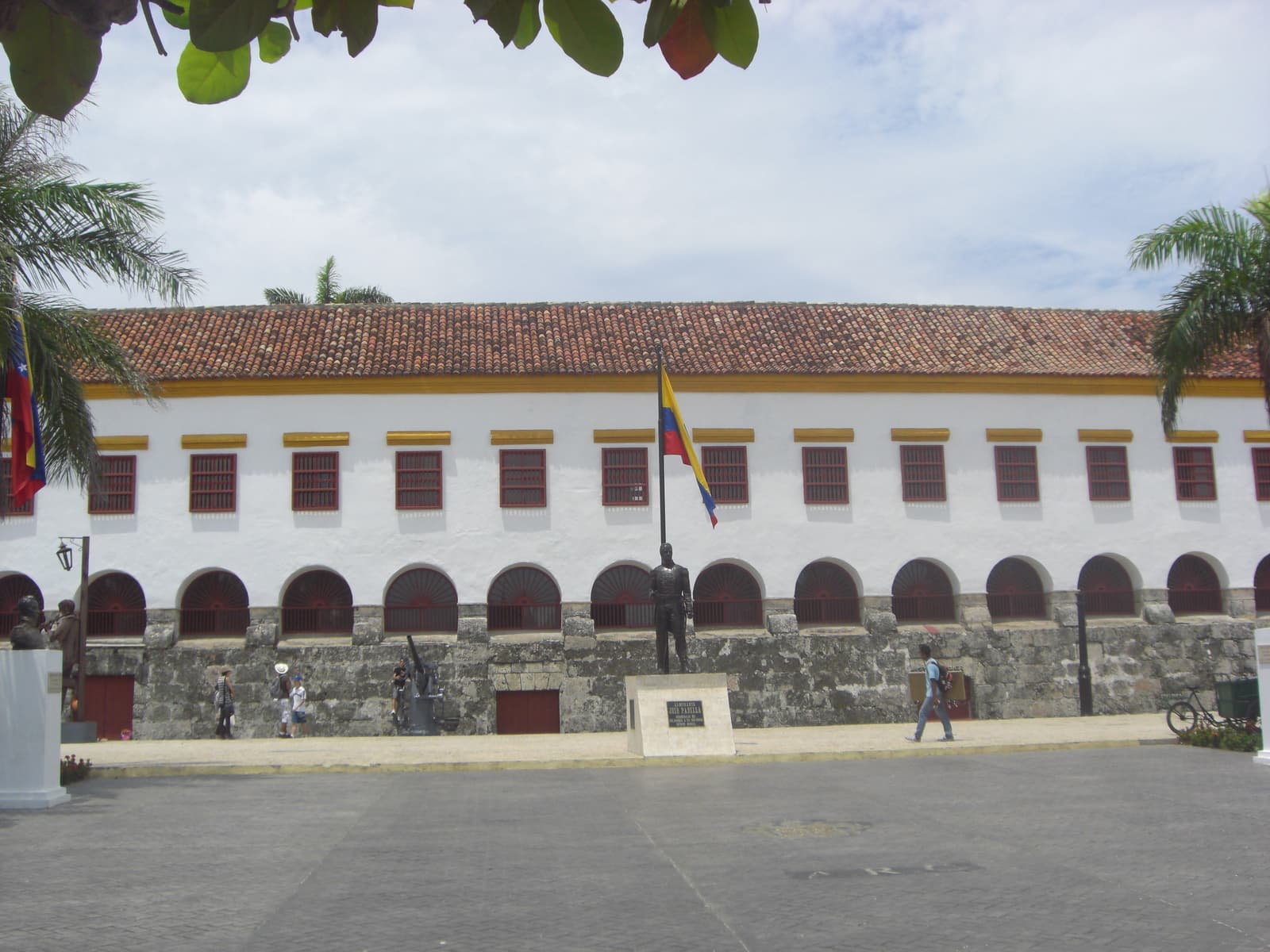
Cartagena
Colombia
Rio de Janeiro
Cartagena
How do Rio de Janeiro and Cartagena compare?
Caribbean colonial show-piece versus South Atlantic beach giant — both deliver postcard moments, but the trips feel nothing alike. Cartagena is the walled Colombian-coast city — Old City bougainvillea-draped balconies, Plaza Santo Domingo at sunset, Getsemaní's salsa bars and street art, day trips to the Rosario Islands' clear-water beaches, and a Spanish-colonial preservation level matched only by Havana and Cuzco in the Americas. Rio is the postcard city — Copacabana and Ipanema's beach grid, Sugarloaf cable car at golden hour, Christ the Redeemer above Tijuca forest, Lapa's Saturday-night samba on the Escadaria Selarón steps, and a city stacked dramatically between granite peaks and ocean.
Both are mid-priced for South America — Cartagena $30 hostel / $110 mid / $300 luxe, Rio $40 / $120 / $320. Safety lands around 60 in Cartagena (the walled Old City is fine and well-policed; Bocagrande and Getsemaní after dark need normal care) and 55 in Rio (Ipanema, Leblon, Copacabana fine; the favelas without a guide and the North Zone after dark are not). Cartagena wins on architecture, walkability, and a colonial-preservation quality that Rio doesn't try to match. Rio wins on landscape, music scene, beach culture as a real daily thing, and the bigger-city food range.
Cartagena peaks December-April; avoid August-October hurricane and rainy season. Rio peaks December-March (Brazilian summer through Carnaval), but November-April is all good beach weather. Pro tip: fly Avianca or LATAM between them in around 6.5 hours via Bogotá or Lima for $300-450; there's no direct route that makes sense. In Cartagena, base inside the walls at a converted-mansion boutique (Casa San Agustín or Bastión-area) — the Old City is the entire reason you came. In Rio, stay Ipanema or Leblon, not Copacabana. Pick Cartagena for the colonial-Caribbean walled-city break. Pick Rio for the beach-music-mountain South American headliner.
💰 Budget
🛡️ Safety
Rio de Janeiro
Rio is an incredible city, but safety requires awareness. Petty theft and mugging (especially phone snatching) are common in tourist areas. Favela tours should only be done with reputable guides. Most visits are trouble-free with basic street smarts.
Cartagena
Cartagena is generally safe for tourists in the Walled City, Getsemani, and Bocagrande, but petty crime like pickpocketing and phone snatching is common. Scams targeting tourists are widespread. Use common sense, especially after dark.
🌤️ Weather
Rio de Janeiro
Rio has a tropical savanna climate with hot, humid summers (December-March) and warm, drier winters (June-August). It rarely drops below 20°C. The city is warm enough for beach activities year-round, though summer rain can be intense.
Cartagena
Cartagena has a tropical climate with consistently hot temperatures year-round. There are two main seasons: dry (December-April) and wet (May-November). Humidity is always high, typically 80-90%. Air conditioning is your friend.
🚇 Getting Around
Rio de Janeiro
Rio has a metro system, bus network, light rail (VLT), and widespread ride-hailing via Uber and 99. The metro is the safest and most reliable option for tourists. Buses are cheap but can be confusing and less safe for visitors unfamiliar with routes.
Walkability: Ipanema, Leblon, and the Copacabana beachfront are very walkable. The beach promenades are excellent for walking and cycling. Centro is walkable during the day but sparse at night. The city is large and hilly — metro and Uber fill the gaps.
Cartagena
Cartagena is a compact city. The Walled City, Getsemani, and Bocagrande are all walkable (though hot). Taxis are the main transport mode — meters are not used, so agree on fares in advance. Uber works but drivers may be cautious about pickups. TransCaribe rapid buses serve broader routes.
Walkability: The Walled City and Getsemani are highly walkable but extremely hot during midday (10 AM - 3 PM). The walls themselves are a spectacular walking route, especially at sunset. Bocagrande has a beachfront promenade. Wear comfortable shoes — cobblestones are uneven. Carry water at all times.
📅 Best Time to Visit
Rio de Janeiro
Apr–Jun, Sep–Nov
Peak travel window
Cartagena
Jan–Mar, Dec
Peak travel window
The Verdict
Choose Rio de Janeiro if...
you want Brazil's most photogenic city — Copacabana, Ipanema, Christ the Redeemer, Sugarloaf, samba at Lapa, and Carnival if you dare
Choose Cartagena if...
you want a UNESCO walled city on the Caribbean — salsa courtyards, Getsemaní street art, Rosario Islands, and Colombia's friendliest coast
Rio de Janeiro
Cartagena
You might also compare
Rio de JaneirovsCartagena
Try another