Napa Valley vs Zion National Park
Which destination is right for your next trip?
Last updated
Quick Verdict
Pick Napa Valley for Stag's Leap and Silver Oak tastings, sunrise hot-air balloons over the SR-29 valley, and Auberge du Soleil dinners. Pick Zion National Park for Angels Landing's chained ridge, Narrows wade-up-river slot canyons, and propane shuttles into 2,000-foot Navajo Sandstone walls.
Can't pick? Visit both.
Build a trip that includes Napa Valley and Zion National Park, with complementary stops we'll suggest.
🏆 Napa Valley wins 78 OVR vs 71 · attribute matchup 6–4
Keep exploring

Napa Valley
United States
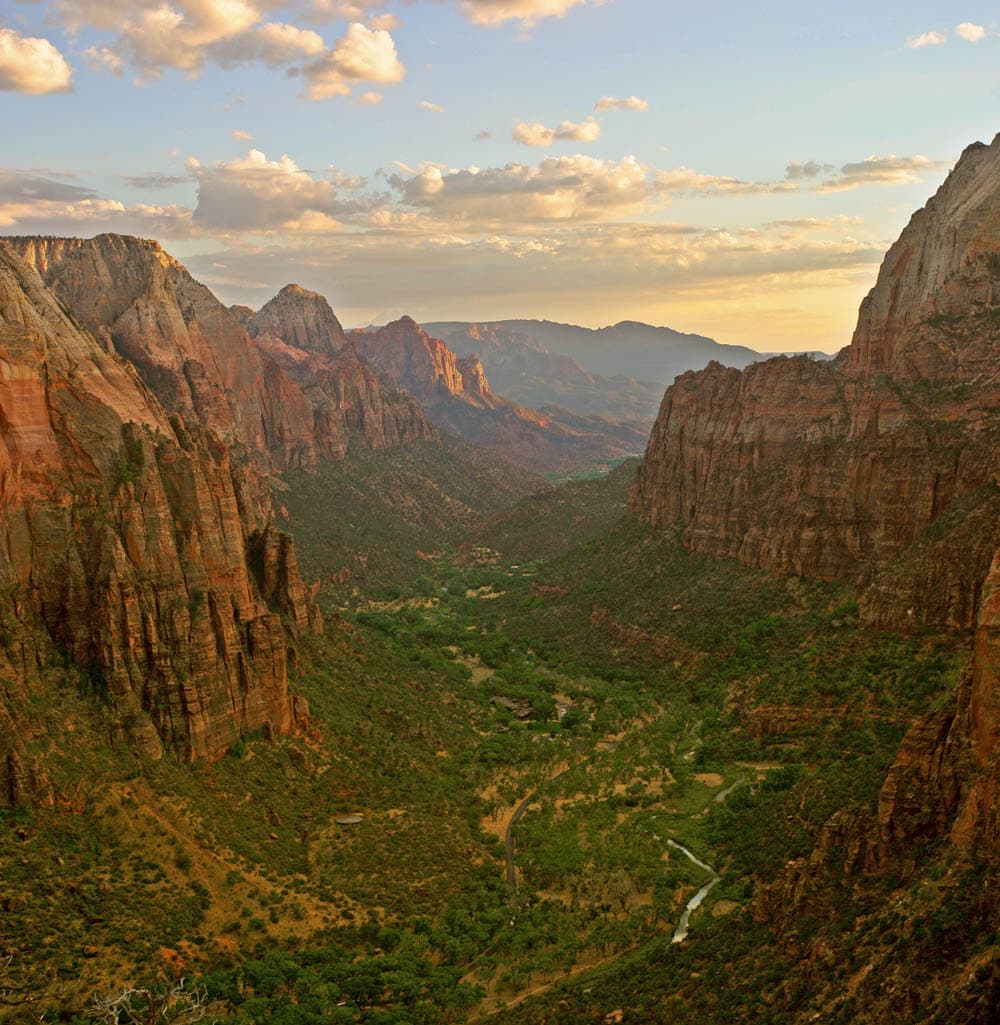
Zion National Park
United States
Napa Valley
Zion National Park
How do Napa Valley and Zion National Park compare?
Wine valley versus slot canyon — these two only share the Pacific time zone (Zion observes Mountain but is operationally on Mountain Daylight Time matching Pacific in summer) and an American passport requirement. Napa is the SR-29 wine route an hour from SFO, with 400+ tasting rooms, the Napa Valley Wine Train, and Cabernet Sauvignon at ~55% of plantings. Zion is the Virgin River carved into red-and-white Navajo Sandstone walls 2,000 feet above the valley floor, the third most-visited US park (4.5M a year), and the home of Angels Landing's chained ridge and the Narrows wade-up-river slot.
Logistics are the practical fork. Napa needs a car or a hired driver and tasting reservations a few weeks ahead; lodging is in town at Napa, Yountville, or St. Helena. Zion enforces a mandatory shuttle April-November — your car stays in Springdale and you ride the propane shuttle into Zion Canyon, which is actually the smoothest national-park transit system in the system. Closest Zion airport is Las Vegas (LAS), 2.5 hours by rental car; St. George (SGU) is closer at 1 hour but has limited service. Daily costs split sharply: $320 mid-range in Napa versus closer to $150 in Springdale with a campsite or a midrange motel.
Pro tip: for Zion, apply to the Angels Landing permit lottery 2-4 months out (seasonal lottery) or try the day-before lottery as a backup; the Narrows is a different beast that needs a rented dry suit October through May and a flash-flood check the morning of. In Napa, book Stag's Leap or Silver Oak a month out and use the Silverado Trail as a quieter parallel to SR-29. Pick Napa for tasting flights, Michelin dinners, and a hot-air balloon at sunrise; pick Zion for a slot-canyon hiking week with the most dramatic day-to-day terrain in any US national park.
💰 Budget
🛡️ Safety
Napa Valley
Napa Valley is a very safe rural-tourism destination. Violent crime is extremely rare; the most realistic risks are wine-tourism-specific: drunk driving, slip-and-falls in tasting rooms, and seasonal wildfire smoke. The valley's narrow two-lane Highway 29 and Silverado Trail see frequent crashes during weekend evenings — DUI checkpoints are common.
Zion National Park
Crime at Zion is a non-issue — the real hazards are natural and they kill people every year. Flash floods, falls from Angels Landing, heat illness, hypothermia in the Narrows, and dehydration are the big five. The single most important pre-hike habit: check the NPS flash flood forecast at the visitor center or nps.gov/zion before ANY slot canyon or Narrows trip. "Probable" or "Expected" risk means do not enter — a storm 10 miles upstream can kill you even in bright sunshine at the trailhead.
🌤️ Weather
Napa Valley
Napa Valley has a Mediterranean climate — warm dry summers and cool wet winters. The valley's south-to-north orientation and 30°F+ diurnal swing (warm days, cool fog-cooled nights) is exactly what makes it ideal Cabernet country. Summer days reach 85–95°F (29–35°C); evenings cool to the low 50s°F. Winter is mild but rainy, with January-February rainfall the heaviest. Wildfire smoke is a real seasonal risk in late summer/early fall (August–October).
Zion National Park
Zion's desert climate is defined by vertical relief — the canyon floor sits at 4,000 feet while the rims reach 6,500+ feet, meaning conditions can differ by 5-10°C between stops on the same hike. Summer is brutally hot on exposed trails (35-40°C) with dangerous afternoon monsoon thunderstorms and flash flood potential in slot canyons. Winter brings ice on Angels Landing and snow on the rims, with the canyon floor hovering between 0-15°C. Spring and fall are the ideal windows. The Virgin River stays a bracing 10-15°C year-round — plan Narrows gear accordingly.
🚇 Getting Around
Napa Valley
Napa Valley is not designed for public transit — a rental car or hired driver is essentially required for any wine tasting itinerary. Wineries are spread along the 30-mile Highway 29 / Silverado Trail corridor and almost none are walkable from each other or from accommodation. Wine tour services solve the drink-and-drive problem and are the recommended option for tasting itineraries.
Walkability: The four main towns (Napa, Yountville, St. Helena, Calistoga) are each compact and walkable for restaurants, tasting rooms in town, and shopping. Wineries and inter-town travel require a car or driver. Yountville is the most walkable for fine dining (French Laundry, Bouchon all within 0.5 miles).
Zion National Park
Zion's transportation story is simple: the free park shuttle is MANDATORY on the Zion Canyon Scenic Drive April through late November — no private vehicles past Canyon Junction. The shuttle runs a 9-stop loop roughly every 10-15 minutes, takes about 45 minutes end-to-end, and stops at every major trailhead and viewpoint. Springdale (the gateway town) has its own free town shuttle connecting lodges, restaurants, and the park entrance. A private car is only useful on the main drive December through early March, for reaching Kolob Canyons (30 miles northwest, separate entrance), or for the Zion-Mt. Carmel Highway. There is no rideshare service inside the park.
Walkability: Springdale itself is extremely walkable — a linear town strung along Highway 9 with restaurants, outfitters, and lodges all within a mile of each other. Inside the park the shuttle handles the vertical distances; hiking trails are a mix of paved strolls (Riverside Walk, Pa'rus) and serious climbs (Angels Landing, Observation Point). Kolob Canyons has its own scenic drive and short trailheads but is not pedestrian-connected to the main canyon.
📅 Best Time to Visit
Napa Valley
Apr–Jun, Sep–Oct
Peak travel window
Zion National Park
Mar–May, Sep–Nov
Peak travel window
The Verdict
Choose Napa Valley if...
you want California's premier wine country an hour from San Francisco — 400+ wineries on the SR-29 wine route, the Napa Valley Wine Train, sunrise hot-air balloons, Michelin-starred restaurants, and Cabernet Sauvignon at the source
Choose Zion National Park if...
you want red-rock slot canyons, Angels Landing's permit-lottery ridge, and the Narrows waded up the Virgin River
Napa Valley
Zion National Park
Frequently asked
Is Napa Valley or Zion National Park cheaper?
Zion National Park is cheaper on average. A mid-range day in Napa Valley costs about $320 vs $310 in Zion National Park, so Zion National Park saves you roughly $10 per day compared to Napa Valley.
Is Napa Valley or Zion National Park safer?
Napa Valley scores higher on our safety index (88/100 vs 78/100). Napa Valley is a very safe rural-tourism destination.
Which has better weather, Napa Valley or Zion National Park?
Napa Valley has the more temperate climate year-round. Napa Valley has a Mediterranean climate — warm dry summers and cool wet winters. The valley's south-to-north orientation and 30°F+ diurnal swing (warm days, cool fog-cooled nights) is exactly what makes it ideal Cabernet country. Summer days reach 85–95°F (29–35°C); evenings cool to the low 50s°F. Winter is mild but rainy, with January-February rainfall the heaviest. Wildfire smoke is a real seasonal risk in late summer/early fall (August–October).
When is the best time to visit Napa Valley vs Zion National Park?
Napa Valley peaks in Apr–Jun, Sep–Oct. Zion National Park peaks in Mar–May, Sep–Nov. Both peak in Apr–May, Sep–Oct, so a single trip pairs them naturally.
How long is the flight from Napa Valley to Zion National Park?
Roughly 1h 33m on a direct flight (about 821 km / 510 mi). One-way fares typically run $120-350 depending on season and how far in advance you book.
How do daily costs in Napa Valley and Zion National Park compare?
In Napa Valley: budget ~$150-220/day, mid-range ~$280-450/day, luxury ~$700-1500+/day. In Zion National Park: budget ~$75-130/day, mid-range ~$220-400/day, luxury ~$500-1,000+/day.
You might also compare
Napa ValleyvsZion National Park
Try another