Quick Verdict
Pick Mexico City for El Tizoncito al pastor, Casa Azul afternoons, and Pujol-and-Quintonil tasting menus. Pick Tulum for cliffside Mayan ruins, Gran Cenote swims, and Hartwood wood-fire dinners reserved weeks ahead.
Can't pick? Visit both.
Build a trip that includes Mexico City and Tulum, with complementary stops we'll suggest.
🏆 Mexico City wins 78 OVR vs 67 · attribute matchup 7–1
Keep exploring

Mexico City
Mexico
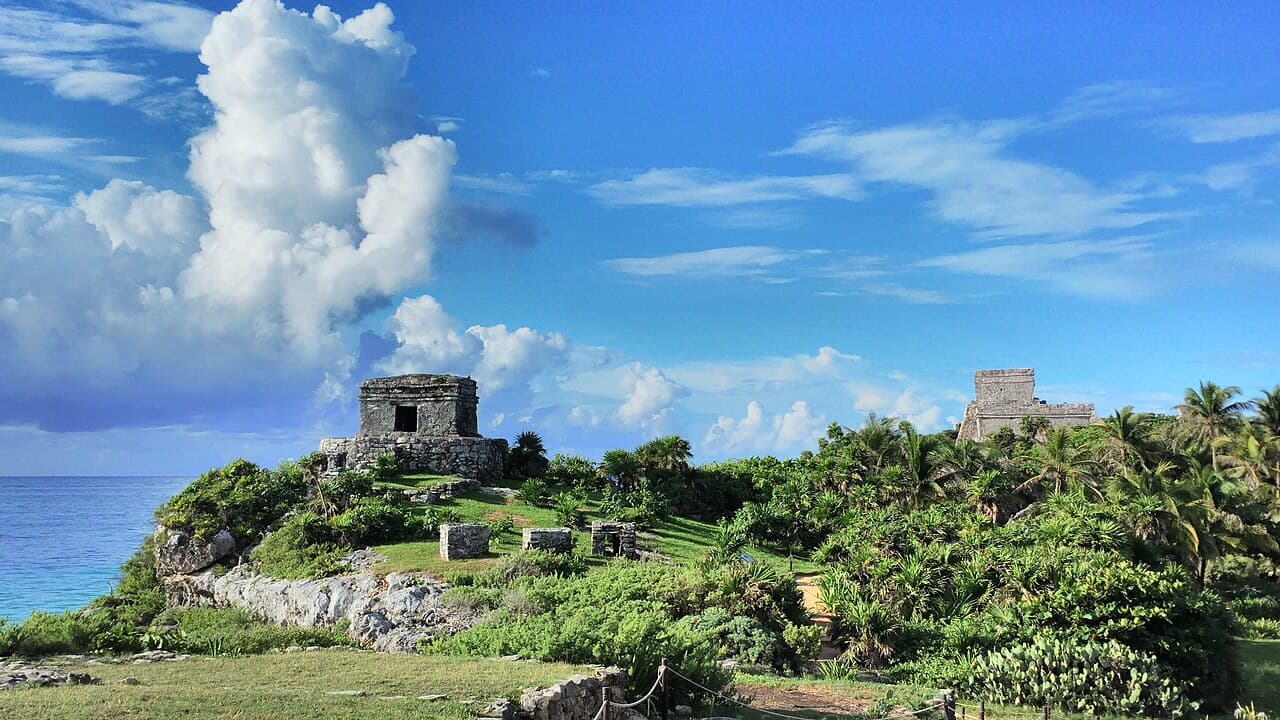
Tulum
Mexico
Mexico City
Tulum
How do Mexico City and Tulum compare?
The split most Mexico itineraries actually run — the megacity warm-up and the Riviera Maya wind-down. Mexico City is the chaotic capital at 2,250m altitude — Centro Histórico's Zócalo and Templo Mayor ruins, Roma and Condesa with their art-deco walk-ups and tree-lined streets, al pastor at El Tizoncito, Frida Kahlo's Casa Azul in Coyoacán, and Pujol-and-Quintonil fine dining. Tulum is the Riviera Maya's bohemian-coast base — beach-road palapa hotels, the cliffside Mayan ruins above the Caribbean, cenote swims at Gran Cenote and Dos Ojos, Hartwood's wood-fire dinner reservations booked weeks out, and a yoga-and-mezcal scene that has thoroughly lost its under-the-radar credentials.
Tulum is now the more expensive of the two — CDMX $35 hostel / $90 mid / $240 luxe, Tulum $40 / $180 / $500, and the beach-road premium is real (a beachfront cabaña has roughly tripled in five years). Safety lands around 60 in CDMX (Roma, Condesa, Polanco are fine; Tepito and Doctores are not) and 58 in Tulum, where the cartel-related incidents in 2021-2023 changed the calculus — beach road is fine, scooter-and-cash deep into the jungle at 2 a.m. is not. CDMX wins on food, scale, museums, and neighborhood texture. Tulum wins on water, cenotes, and ruins-with-a-Caribbean-view.
CDMX is steady year-round, with November-April the driest. Tulum peaks December-April; avoid June-October rain and seaweed (sargassum) season. Pro tip: fly Aeromexico or Volaris CDMX-Cancún in 2h15 for $80, then a $40 ADO bus or $120 private transfer 1h45 down to Tulum — far easier than driving the toll roads. In Tulum, stay Pueblo (town side) for under $100 a night with a scooter rental, not the beach road, unless you're spending real money. Pick Mexico City for the urban-culture-and-food half. Pick Tulum for the cenote-beach-and-ruins half — and most travelers should do both.
Combining them is the standard Mexico itinerary — Aeromexico or Volaris CDMX-Cancún in 2h15 for $80, then a $40 ADO bus or $120 private transfer 1h45 down to Tulum. Standard split: 4 nights CDMX, 4 nights Tulum, often with Mérida or Playa del Carmen worked in. For first-timers to Mexico, this pairing covers the urban-and-beach span properly; CDMX alone misses the Caribbean, Tulum alone misses real Mexican food and culture. Couples fit Tulum well for the boutique-cabaña-and-cenote rhythm; CDMX suits couples who like food and museums. Families work in either — CDMX for tweens and up (Anthropology Museum, Coyoacán, Xochimilco), Tulum for younger kids (cenotes are kid-friendly, ruins are walkable). Solo travelers thrive in CDMX's neighborhood density (Roma, Condesa, Juárez); Tulum is harder solo at peak prices.
💰 Budget
🛡️ Safety
Mexico City
Mexico City's tourist areas (Roma, Condesa, Polanco, Coyoacan, Centro Historico) are generally safe during the day. Petty crime like phone snatching and pickpocketing occurs. Use common sense, stay in well-traveled areas at night, and use ride-hailing apps rather than hailing random cabs.
Tulum
Tulum is generally safe for tourists in designated areas but requires more vigilance than its boho-paradise image suggests. Between 2021 and 2023, cartel-related violence affected the Riviera Maya region, including incidents in and near Tulum — including a beach club shooting in 2021 that injured foreign tourists. The situation has stabilized but the underlying risk remains. Petty crime, ATM skimming, and drug-related pressure are the most common traveler concerns. Stick to tourist zones, use official or app-based transport, and avoid isolated beaches at night.
🌤️ Weather
Mexico City
Mexico City's high altitude gives it a mild, spring-like climate year-round. There are two main seasons: dry (November-April) and rainy (May-October). Temperatures are remarkably consistent, rarely exceeding 28°C or dropping below 5°C.
Tulum
Tulum has a tropical wet-dry climate. Temperatures are warm year-round, ranging from 22°C at night in winter to 34°C on summer afternoons. The dry season (November through April) is peak tourist season with low humidity, calm seas, and almost no rain. The wet season (June through November) brings daily afternoon thunderstorms, higher humidity, hurricane risk, and the annual sargassum seaweed invasion. April through September see the heaviest seaweed on beaches.
🚇 Getting Around
Mexico City
Mexico City has an enormous public transit network anchored by the Metro (12 lines), Metrobus (rapid transit buses), and regular buses. The Metro is incredibly cheap but crowded during rush hours. Uber and DiDi are widely used and affordable.
Walkability: Central neighborhoods like Roma, Condesa, Coyoacan, and Centro Historico are very walkable with wide sidewalks and pleasant tree-lined streets. Chapultepec and Polanco also reward walking. However, the city is vast — distances between neighborhoods often require transit. Sidewalks can be uneven, and traffic is aggressive at crossings.
Tulum
Tulum has no unified public transport system and navigating between its two zones is one of the main practical frustrations of a visit. The Zona Hotelera beach road is 8-10 km long with no bus service — getting around requires taxis, bicycles, scooters, or rental cars. In Tulum Pueblo, colectivos (shared vans) connect efficiently to Playa del Carmen, Cobá, and other destinations. The Maya Train added a new option for intercity travel but its Tulum station is several kilometers from both zones.
Walkability: Tulum Pueblo is walkable within its compact grid — the main strip (Avenida Tulum) has restaurants, shops, and services within a few blocks. The Zona Hotelera is emphatically not walkable at 8-10 km long with no sidewalks for much of its length. Between the two zones (5 km) is a bikeable but long walk. A bicycle or scooter is essential for any real exploration.
📅 Best Time to Visit
Mexico City
Mar–May, Oct–Nov
Peak travel window
Tulum
Jan–Apr, Nov–Dec
Peak travel window
The Verdict
Choose Mexico City if...
you want Latin America's biggest food scene — Zócalo, Frida Kahlo, Teotihuacán pyramids, mezcal bars, and Xochimilco trajineras
Choose Tulum if...
you want Mayan cliff ruins above turquoise Caribbean, cenote diving, and a boho-chic beach scene (with eye-watering hotel-zone prices)
Mexico City
Frequently asked
Is Mexico City or Tulum cheaper?
Mexico City is cheaper on average. A mid-range day in Mexico City costs about $115 vs $150 in Tulum, so Mexico City saves you roughly $35 per day compared to Tulum.
Is Mexico City or Tulum safer?
Mexico City and Tulum score equally on our safety index (58/100). Specific risks differ by neighborhood — check the Safety section on each guide.
Is it easier to get by with English in Mexico City or Tulum?
English is more widely spoken in Tulum (4/5 vs 3/5 on our scale). You'll find it easier to order food, ask for directions, and navigate transit in Tulum.
When is the best time to visit Mexico City vs Tulum?
Mexico City peaks in Mar–May, Oct–Nov. Tulum peaks in Jan–Apr, Nov–Dec. Both peak in Mar–Apr, Nov, so a single trip pairs them naturally.
How long is the flight from Mexico City to Tulum?
Roughly 2h 1m on a direct flight (about 1,223 km / 760 mi). One-way fares typically run $120-350 depending on season and how far in advance you book.
How do daily costs in Mexico City and Tulum compare?
In Mexico City: budget ~$30-55/day, mid-range ~$80-150/day, luxury ~$250+/day. In Tulum: budget ~$35-55/day, mid-range ~$100-200/day, luxury ~$400-1,500+/day.
How many days should I spend in Mexico City vs Tulum?
4-5 nights in CDMX for Centro, Roma, Condesa, Coyoacán, Pujol or Quintonil, plus a Teotihuacán or Xochimilco day. Tulum wants 3-4 nights for the ruins, two cenote days, and beach time.
Can I combine Mexico City and Tulum in one trip?
Yes, easily — Aeromexico or Volaris fly CDMX-Cancún in 2h15 for $80, then ADO bus or private transfer 1h45 to Tulum ($40-120). Standard split: 4 nights CDMX, 4 nights Tulum, usually with Mérida or Playa del Carmen worked in.
Is Tulum safe in 2026?
The 2021-2023 cartel-related incidents changed expectations — beach road and main hotel zone remain fine, but late-night scooter rides into the jungle and remote cenote stops without a guide are riskier than they used to be. Stick to daylight cenote visits and ADO or Uber transport.
Where should I eat in Mexico City beyond the obvious?
El Tizoncito for al pastor (one of the originators), Pujol or Quintonil for the splurge tasting menu, Contramar for fish, El Califa for late-night tacos, Lardo or Rosetta for breakfast in Roma, and Café de Tacuba in Centro for traditional.
Should I stay on the beach road in Tulum?
Only if you are spending real money — beachfront cabañas have tripled in price over five years, with $500+ a night now standard. For under $150 a night, base in Tulum Pueblo (the town side) with a scooter rental ($20/day) and Uber for cenotes.
Is Tulum good for families?
Yes for kids who can swim — cenotes are kid-friendly with life jackets, the Tulum ruins are walkable in 90 minutes, and the beach is wide and gentle. Avoid the wilder cenotes (Cenote Calavera) with younger kids and stick to Gran Cenote and Dos Ojos.
You might also compare
Mexico CityvsTulum
Try another