Quick Verdict
Pick Mérida if Paseo de Montejo mansions, cochinita pibil, and Chichén Itzá day trips trump beach time. Pick Tulum if Caribbean cliff ruins, cenote diving, and beach-club sunsets beat colonial walks.
Clear winner on the data
Mérida leads in safety, walkability, food scene, cultural sites, public transit, and cleanliness — but Tulum still takes nightlife. If nightlife iswhat your trip hinges on, the scoreboard doesn't matter.
Can't pick? Visit both.
Build a trip that includes Mérida and Tulum, with complementary stops we'll suggest.
🏆 Mérida wins 78 OVR vs 67 · attribute matchup 7–2
Keep exploring

Mérida
Mexico
Tulum
Mexico
Mérida
Tulum
How do Mérida and Tulum compare?
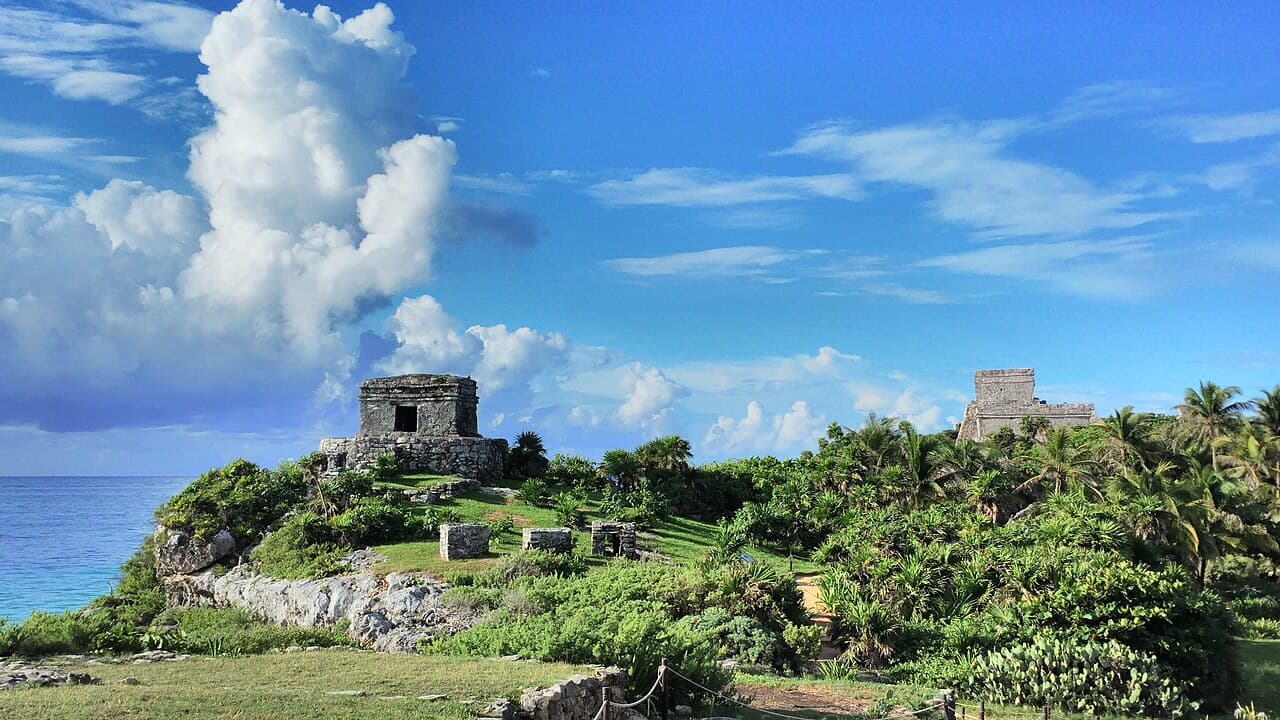
Same Yucatán peninsula, same Maya heritage layer, two completely different vacations. Mérida is colonial walkability: pastel mansions on Paseo de Montejo, $5 cochinita pibil tacos at La Chaya Maya, and a Centro that is genuinely the safest big city in Mexico (86 safety vs 58 in Tulum). Tulum is bohemian beach: limestone cliffs over turquoise water at El Castillo ruins, cenote dives at Gran Cenote, and beach-club $25 cocktails priced like Aspen.
Mid-range budgets are misleading: $160 in Mérida vs $150 in Tulum on paper, but Tulum's hotel zone runs the spread to $350 fast — a beachfront cabaña in February is $400+, while a colonial-courtyard hotel in Mérida's Centro is $90. Mérida wins on walkability (5 vs 3), safety, value, and authentic Yucatec cuisine (papadzules, sopa de lima, marquesitas from the Sunday plaza vendor). Tulum wins on Caribbean beach access, cenote density (4 within a 30-minute drive), and that specific 'Instagrammable jungle-bar' aesthetic if that's your week.
Practical move: combine them. Mérida is a 4-hour ADO bus from Tulum ($35) or 3.5-hour drive on the new Maya Train. Use Mérida as your base for Chichén Itzá (1.5 hours) and Uxmal (1 hour), then transit east to Tulum for beach days. Time both November–March; April–October is brutal humidity. Festival anchor: Mérida en Domingo every Sunday turns Plaza Grande into a free street fair.
💰 Budget
🛡️ Safety
Mérida
Mérida is consistently ranked among the safest cities in Mexico and Latin America — the homicide rate is comparable to many US cities and dramatically lower than Mexico's tourist beach destinations. Solo female travellers, LGBTQ+ visitors, and older travellers regularly report comfort. The genuine concerns are heat, taxi/transport overcharging in tourist contexts, and routine urban awareness. Cartel-related violence has not significantly affected Yucatán state.
Tulum
Tulum is generally safe for tourists in designated areas but requires more vigilance than its boho-paradise image suggests. Between 2021 and 2023, cartel-related violence affected the Riviera Maya region, including incidents in and near Tulum — including a beach club shooting in 2021 that injured foreign tourists. The situation has stabilized but the underlying risk remains. Petty crime, ATM skimming, and drug-related pressure are the most common traveler concerns. Stick to tourist zones, use official or app-based transport, and avoid isolated beaches at night.
🌤️ Weather
Mérida
Mérida has a tropical savanna climate — hot year-round, with a wet season May-October and a dry season November-April. The hottest months (April and May, before the rains arrive) regularly hit 38-40°C with brutal humidity. The most pleasant months are December and January (24-30°C, low humidity). Mérida is 30 km inland and lacks coastal sea-breeze relief.
Tulum
Tulum has a tropical wet-dry climate. Temperatures are warm year-round, ranging from 22°C at night in winter to 34°C on summer afternoons. The dry season (November through April) is peak tourist season with low humidity, calm seas, and almost no rain. The wet season (June through November) brings daily afternoon thunderstorms, higher humidity, hurricane risk, and the annual sargassum seaweed invasion. April through September see the heaviest seaweed on beaches.
🚇 Getting Around
Mérida
Mérida's Centro Histórico is compact and walkable — the Plaza Grande to the Paseo de Montejo is a 25-minute walk. Beyond the centre, Uber (operates throughout the city), DiDi, and city buses cover everything. Day trips to Maya sites and cenotes are best handled by hired car, ADO bus, or organised tour. The new Tren Maya (opened 2024) connects Mérida to other Yucatán Peninsula destinations including Cancún.
Walkability: The Centro Histórico is one of the most walkable colonial centres in Mexico — flat, dense, with shaded portales (arcaded sidewalks) along the main streets. The Paseo de Montejo and Ermita neighbourhoods are also pleasant walking. Heat between 11:00 and 16:00 in summer makes long walks unpleasant; plan accordingly.
Tulum
Tulum has no unified public transport system and navigating between its two zones is one of the main practical frustrations of a visit. The Zona Hotelera beach road is 8-10 km long with no bus service — getting around requires taxis, bicycles, scooters, or rental cars. In Tulum Pueblo, colectivos (shared vans) connect efficiently to Playa del Carmen, Cobá, and other destinations. The Maya Train added a new option for intercity travel but its Tulum station is several kilometers from both zones.
Walkability: Tulum Pueblo is walkable within its compact grid — the main strip (Avenida Tulum) has restaurants, shops, and services within a few blocks. The Zona Hotelera is emphatically not walkable at 8-10 km long with no sidewalks for much of its length. Between the two zones (5 km) is a bikeable but long walk. A bicycle or scooter is essential for any real exploration.
📅 Best Time to Visit
Mérida
Jan–Mar, Nov–Dec
Peak travel window
Tulum
Jan–Apr, Nov–Dec
Peak travel window
The Verdict
Choose Mérida if...
you want one of the safest cities in Mexico, a UNESCO-adjacent base for Chichén Itzá and Uxmal, distinctive Yucatec cuisine and Maya culture, and a colonial Centro that is genuinely walkable
Choose Tulum if...
you want Mayan cliff ruins above turquoise Caribbean, cenote diving, and a boho-chic beach scene (with eye-watering hotel-zone prices)
Frequently asked
Is Mérida or Tulum cheaper?
Tulum is cheaper on average. A mid-range day in Mérida costs about $160 vs $150 in Tulum, so Tulum saves you roughly $10 per day compared to Mérida.
Is Mérida or Tulum safer?
Mérida scores higher on our safety index (86/100 vs 58/100). Mérida is consistently ranked among the safest cities in Mexico and Latin America — the homicide rate is comparable to many US cities and dramatically lower than Mexico's tourist beach destinations.
When is the best time to visit Mérida vs Tulum?
Mérida peaks in Jan–Mar, Nov–Dec. Tulum peaks in Jan–Apr, Nov–Dec. Both peak in Jan–Mar, Nov–Dec, so a single trip pairs them naturally.
How long is the flight from Mérida to Tulum?
Roughly 52m on a direct flight (about 240 km / 149 mi). One-way fares typically run $60-180 depending on season and how far in advance you book.
How do daily costs in Mérida and Tulum compare?
In Mérida: budget ~$45-90/day, mid-range ~$110-220/day, luxury ~$350-900/day. In Tulum: budget ~$35-55/day, mid-range ~$100-200/day, luxury ~$400-1,500+/day.
You might also compare
MéridavsTulum
Try another