🏆 Chiang Mai wins 88 OVR vs 87 · attribute matchup 3–3
Thailand
88OVR

Japan
87OVR
Chiang Mai
Thailand
Kanazawa
Japan
Chiang Mai
Kanazawa
💰 Budget
🛡️ Safety
Chiang Mai
Chiang Mai is one of the safest cities in Southeast Asia for travelers. Violent crime against tourists is extremely rare, though petty theft and scams exist. The biggest health concern is air quality during burning season (February-April).
Kanazawa
Kanazawa is one of the safest cities in Japan and therefore one of the safest cities in the world. Violent crime is virtually nonexistent; petty crime is extremely rare. The biggest practical risks for visitors are traffic-related (drivers don't always yield to pedestrians at crossings) and weather-related (ice and snow on cobblestones in winter). Solo women travellers consistently rate Kanazawa as exceptionally safe.
⭐ Ratings
🌤️ Weather
Chiang Mai
Chiang Mai has a tropical savanna climate with three distinct seasons: hot, rainy, and cool. The city sits in a valley which traps heat and, unfortunately, smoke during the burning season (February-April).
Kanazawa
Kanazawa faces the Sea of Japan, which makes it one of the cloudiest and rainiest cities in Japan — locally nicknamed "Ame no Machi" (City of Rain). Winters bring heavy snowfall due to cold air from Siberia picking up moisture over the relatively warm Sea of Japan. Summers are warm and humid. The city is beautiful in all seasons but pack a waterproof and layers for almost any time of year.
🚇 Getting Around
Chiang Mai
Chiang Mai lacks a metro or rail system, so getting around relies on songthaews (red shared trucks), tuk-tuks, Grab ride-hailing, and rented scooters. The Old City is compact enough to walk or cycle. The city is currently building a light rail system planned for future years.
Walkability: The Old City is very walkable — roughly 1.5 km on each side — and most major temples are within easy walking distance of each other. The Nimmanhaemin area is also pedestrian-friendly. Beyond these areas, distances grow and motorized transport is needed.
Kanazawa
Kanazawa is well-served by a network of city buses, with two tourist-oriented loop routes (Kenroku-en and Right Loop, Left Loop) covering all major sights. There is no subway or tram system. The city is compact enough to walk between many attractions in the historical districts, but the distances between Higashi Chaya, Kenroku-en, and Ninja-dera add up — a day bus pass is the best investment for most visitors.
Walkability: The three historical districts (Higashi Chaya, Nishi Chaya, Teramachi/Ninja-dera) are compact and extremely pleasant to walk within. However, they are 20–30 minutes apart on foot through modern urban streets — most visitors use the loop buses to transfer between them. Kanazawa Station to Kenroku-en is a 25-minute walk. Cobblestones are charming but hard on ankles and potentially icy in winter.
The Verdict
Choose Chiang Mai if...
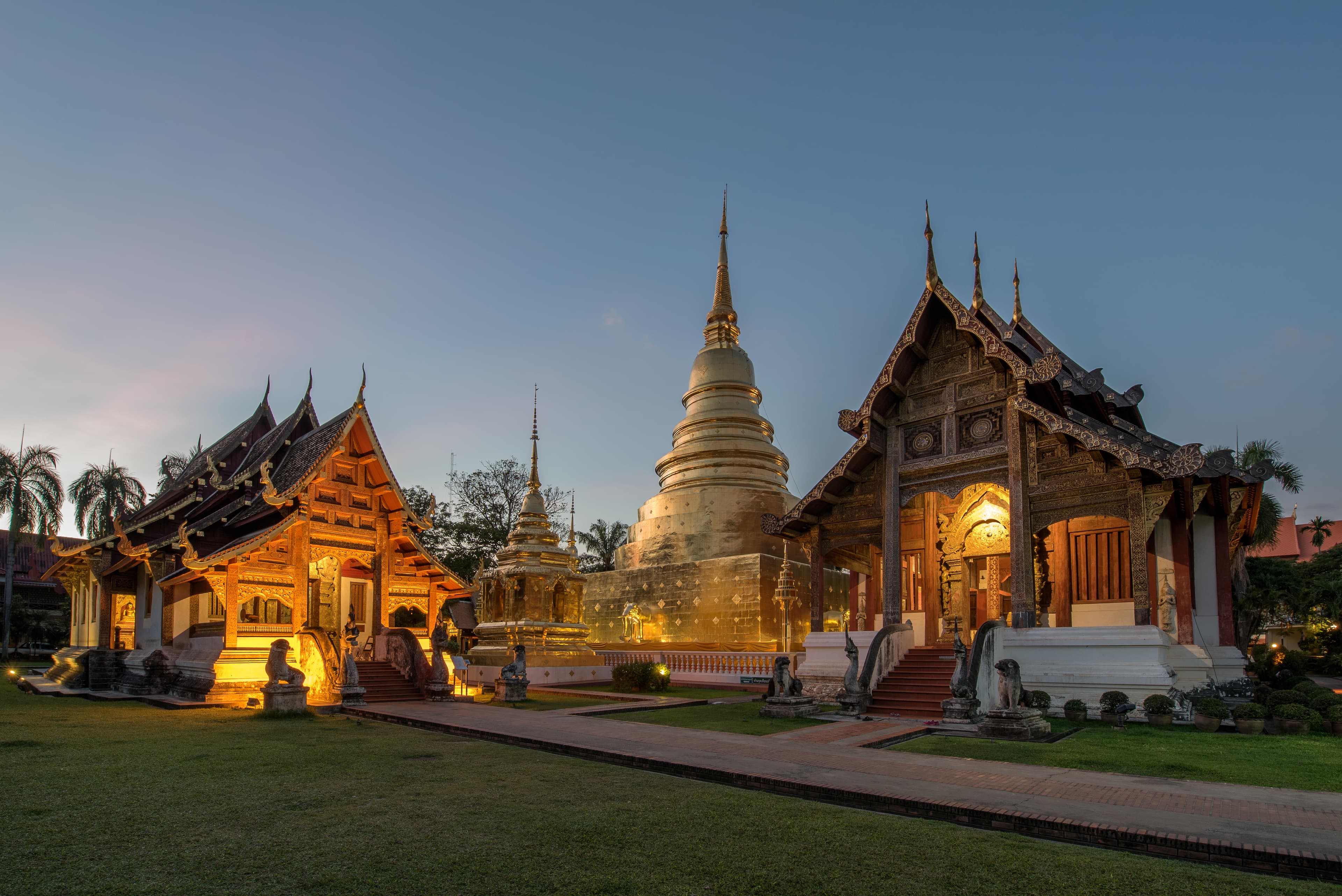
you want northern Thailand's temple city — Doi Suthep sunsets, Sunday Walking Street, ethical elephant sanctuaries, and Songkran soaked to the bone
Choose Kanazawa if...
you want Japan without the crowds — the only major city never bombed in WWII, Kenroku-en garden, the Higashi Chaya geisha district unchanged since 1820, and Omicho Market's incomparable seafood at one-third of Tokyo prices
Chiang Mai
Kanazawa