Quick Verdict
Pick Cabo San Lucas if El Arco, sportfishing, and resort-corridor polish trump jungle-cenote vibes. Pick Tulum if Mayan cliff ruins, cenote dives, and candlelit beach clubs beat Pacific spectacle.
The real difference is price
These two play in different price tiers: Tulum runs roughly 133% cheaper day to day ($150 vs $350 per day mid-range). Start with your budget — everything else on this page is secondary to that gap.
Can't pick? Visit both.
Build a trip that includes Cabo San Lucas and Tulum, with complementary stops we'll suggest.
🏆 Cabo San Lucas wins 68 OVR vs 67 · attribute matchup 5–2
Keep exploring

Cabo San Lucas
Mexico
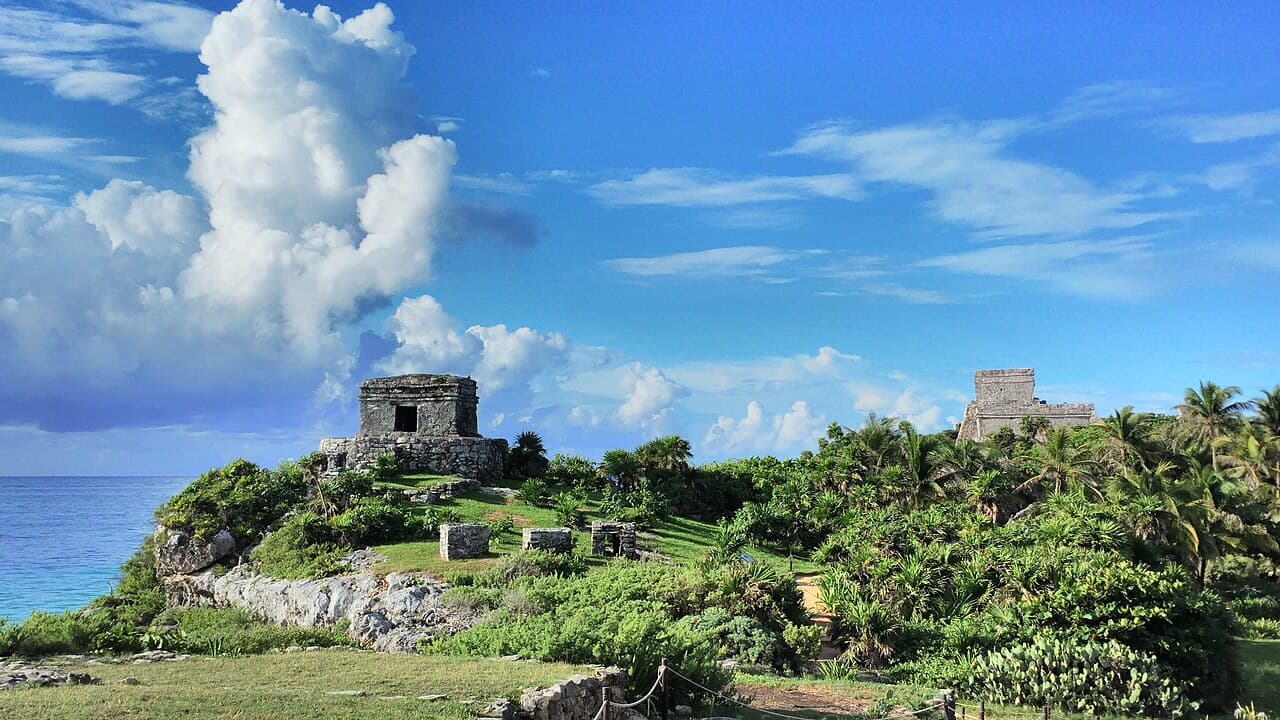
Tulum
Mexico
Cabo San Lucas
Tulum
How do Cabo San Lucas and Tulum compare?
Mexico's two coastal flexes, each on a different ocean and selling a different fantasy. Cabo is Pacific Baja — desert cliffs meeting sea at El Arco, deep-sea sportfishing out of the marina by 6 AM, and Mexican-American resort polish along the Corridor. Tulum is Caribbean jungle-coast — Mayan cliff ruins above turquoise water, cenote diving in the Sac Actun system 20 minutes inland, and beach clubs at Papaya Playa where DJs run candlelit until 2 AM and a single piña colada hits $22.
On paper Tulum looks cheaper at $150 mid-range against Cabo's $350, but that's hostel-and-pueblo Tulum — the boutique hotel zone (Be Tulum, Azulik) runs $700+ nightly and isn't on standard booking sites. Cabo's pricing is more honest and more universally Americanized. Cleanliness and safety break for Cabo (72 vs 58 safety index in our data) — Tulum has had serious cartel-violence incidents in 2023-24 and the beach road is patchy with sargassum seaweed May through August. Both deliver December through April as the prime window.
Practical tip: fly SJD direct for Cabo (1-hour transfer); Tulum requires CUN airport and a 90-minute drive, or the new TQO Tulum airport with fewer routes. Avoid Tulum's hotel zone in summer for both sargassum and humidity reasons. If safety is the deciding factor, Cabo's resort corridor is genuinely contained and well-policed in a way Tulum's beach road is not.
💰 Budget
🛡️ Safety
Cabo San Lucas
Cabo San Lucas is significantly safer for tourists than mainland Mexican beach destinations — the Baja California Sur state is the safest Mexican state by violent crime rate, the tourism economy supports heavy police presence in resort areas, and tourist crime is rare. The main concerns are: pickpockets in nightlife crowds, occasional ATM card-skimming, dangerous Pacific Ocean rip currents (Divorce Beach is fatal), aggressive timeshare touts, and the standard precautions about excessive drinking. Walking the Marina and Medano Beach is comfortable day and night.
Tulum
Tulum is generally safe for tourists in designated areas but requires more vigilance than its boho-paradise image suggests. Between 2021 and 2023, cartel-related violence affected the Riviera Maya region, including incidents in and near Tulum — including a beach club shooting in 2021 that injured foreign tourists. The situation has stabilized but the underlying risk remains. Petty crime, ATM skimming, and drug-related pressure are the most common traveler concerns. Stick to tourist zones, use official or app-based transport, and avoid isolated beaches at night.
🌤️ Weather
Cabo San Lucas
Cabo has a hot desert climate (BWh in Köppen classification) — abundant sunshine (340+ sunny days/year), minimal rain (180 mm/year, virtually all in August-October), and a strong seasonal cycle. October-May is the peak window with comfortable temperatures (23-29°C); June-October is hot (28-34°C) with a brief rainy season and tropical storm risk. Water temperatures in the Sea of Cortez range 20°C (winter) to 28°C (summer) — swimming is comfortable year-round.
Tulum
Tulum has a tropical wet-dry climate. Temperatures are warm year-round, ranging from 22°C at night in winter to 34°C on summer afternoons. The dry season (November through April) is peak tourist season with low humidity, calm seas, and almost no rain. The wet season (June through November) brings daily afternoon thunderstorms, higher humidity, hurricane risk, and the annual sargassum seaweed invasion. April through September see the heaviest seaweed on beaches.
🚇 Getting Around
Cabo San Lucas
Cabo San Lucas downtown is small and walkable (Marina, Medano Beach, downtown all within 1 km) — but most resorts are spread along the 32-km Tourist Corridor between Cabo and San José del Cabo, requiring taxi, Uber, or rental car. Public buses ("Subur" buses) run the corridor cheaply. Uber operates and is significantly cheaper than taxis but is limited at the airport (taxi mafia) and resort areas (resort taxi cooperatives).
Walkability: Downtown Cabo (Marina + Medano + central 8 blocks) is walkable. The Tourist Corridor and resort zones are not walkable to anything; you need taxi, Uber, bus, or rental car. The desert heat April-October makes daytime walking unpleasant.
Tulum
Tulum has no unified public transport system and navigating between its two zones is one of the main practical frustrations of a visit. The Zona Hotelera beach road is 8-10 km long with no bus service — getting around requires taxis, bicycles, scooters, or rental cars. In Tulum Pueblo, colectivos (shared vans) connect efficiently to Playa del Carmen, Cobá, and other destinations. The Maya Train added a new option for intercity travel but its Tulum station is several kilometers from both zones.
Walkability: Tulum Pueblo is walkable within its compact grid — the main strip (Avenida Tulum) has restaurants, shops, and services within a few blocks. The Zona Hotelera is emphatically not walkable at 8-10 km long with no sidewalks for much of its length. Between the two zones (5 km) is a bikeable but long walk. A bicycle or scooter is essential for any real exploration.
📅 Best Time to Visit
Cabo San Lucas
Jan–Apr, Nov–Dec
Peak travel window
Tulum
Jan–Apr, Nov–Dec
Peak travel window
The Verdict
Choose Cabo San Lucas if...
you want a sun-drenched Baja resort destination with world-class sportfishing, Dec-April whale watching, easy US flight access, and the iconic El Arco where two oceans meet
Choose Tulum if...
you want Mayan cliff ruins above turquoise Caribbean, cenote diving, and a boho-chic beach scene (with eye-watering hotel-zone prices)
Cabo San Lucas
Frequently asked
Is Cabo San Lucas or Tulum cheaper?
Tulum is cheaper on average. A mid-range day in Cabo San Lucas costs about $350 vs $150 in Tulum, so Tulum saves you roughly $200 per day compared to Cabo San Lucas.
Is Cabo San Lucas or Tulum safer?
Cabo San Lucas scores higher on our safety index (72/100 vs 58/100). Cabo San Lucas is significantly safer for tourists than mainland Mexican beach destinations — the Baja California Sur state is the safest Mexican state by violent crime rate, the tourism economy supports heavy police presence in resort areas, and tourist crime is rare.
Which has better weather, Cabo San Lucas or Tulum?
Cabo San Lucas has the more temperate climate year-round. Cabo has a hot desert climate (BWh in Köppen classification) — abundant sunshine (340+ sunny days/year), minimal rain (180 mm/year, virtually all in August-October), and a strong seasonal cycle. October-May is the peak window with comfortable temperatures (23-29°C); June-October is hot (28-34°C) with a brief rainy season and tropical storm risk. Water temperatures in the Sea of Cortez range 20°C (winter) to 28°C (summer) — swimming is comfortable year-round.
Is it easier to get by with English in Cabo San Lucas or Tulum?
English is more widely spoken in Cabo San Lucas (5/5 vs 4/5 on our scale). You'll find it easier to order food, ask for directions, and navigate transit in Cabo San Lucas.
When is the best time to visit Cabo San Lucas vs Tulum?
Cabo San Lucas peaks in Jan–Apr, Nov–Dec. Tulum peaks in Jan–Apr, Nov–Dec. Both peak in Jan–Apr, Nov–Dec, so a single trip pairs them naturally.
How long is the flight from Cabo San Lucas to Tulum?
Roughly 3h 20m on a direct flight (about 2,339 km / 1,452 mi). One-way fares typically run $250-700 depending on season and how far in advance you book.
How do daily costs in Cabo San Lucas and Tulum compare?
In Cabo San Lucas: budget ~$110-180/day, mid-range ~$280-500/day, luxury ~$700-2500/day. In Tulum: budget ~$35-55/day, mid-range ~$100-200/day, luxury ~$400-1,500+/day.
You might also compare
Cabo San LucasvsTulum
Try another