Akureyri vs Snæfellsnes Peninsula
Which destination is right for your next trip?
Last updated
Quick Verdict
Pick Akureyri for Diamond Circle drives, Strandgata bars, and a real northern town to base from. Pick Snæfellsnes for Kirkjufell, Búðakirkja's lone black church, and Iceland in miniature on a 90 km loop.
Clear winner on the data
Akureyri leads in nightlife, public transit, food scene, cultural sites, and walkability. On the numbers alone, this one isn't close.
Can't pick? Visit both.
Build a trip that includes Akureyri and Snæfellsnes Peninsula, with complementary stops we'll suggest.
🏆 Akureyri wins 76 OVR vs 68 · attribute matchup 7–0
Keep exploring

Akureyri
Iceland
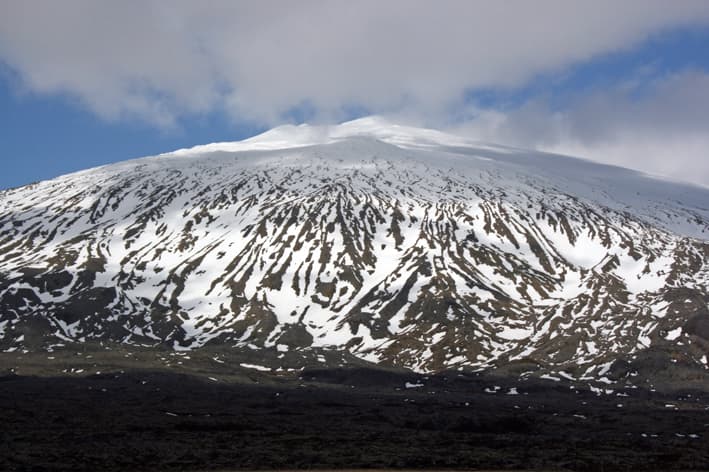
Snæfellsnes Peninsula
Iceland
Akureyri
Snæfellsnes Peninsula
How do Akureyri and Snæfellsnes Peninsula compare?
Akureyri and Snæfellsnes are two Icelandic alternatives to the South Coast scrum, and they answer different questions. Akureyri is a real town of 19,000 at the head of Eyjafjörður — bars, restaurants, museums, the world's northernmost botanical garden — and a five-hour drive or 45-minute flight from Reykjavík. Snæfellsnes is a 90 km finger of land on the west coast that 'fits' Iceland into one drive: the Snæfellsjökull glacier-volcano at the tip, the cone of Kirkjufell over Grundarfjörður, the tiny black church of Búðakirkja standing alone on a moss field, basalt cliffs, lava fields, and fishing villages. From Reykjavík it's two hours and 190 km via the Hvalfjörður tunnel.
If you have one weekend out of the capital, Snæfellsnes wins by default — a sunrise-to-sunset two-day loop covers the entire peninsula, you sleep in Stykkishólmur or Hellnar, and you've still seen something genuinely cinematic. Akureyri needs more time to repay the trip: the Diamond Circle (Goðafoss, Mývatn, Dettifoss, Húsavík whales) wants two full days, and the drive in via the Ring Road is the long way around. Mid-range costs are nearly identical (~$230-240/day USD) but Snæfellsnes has one petrol station every 40 km and basically no public transit, while Akureyri has flights, taxis, and a bar district.
Pro tip: if you want a north-Iceland aurora chase and a real town to come back to, fly into Akureyri direct; if you only have three or four days total in Iceland, do Snæfellsnes instead of the South Coast — same landscape menu, a third the tourists at Búðakirkja vs Reynisfjara. Pick Akureyri for the Diamond Circle and bar nights at sub-Arctic latitude. Pick Snæfellsnes for Iceland in miniature on a photogenic two-day loop close to Reykjavík.
💰 Budget
🛡️ Safety
Akureyri
Iceland is among the world's safest countries by every conventional measure and Akureyri at 19,500 residents is even safer than the national average — violent crime is essentially zero, the police do not carry firearms, and night-time walking in the town centre is comfortable for solo travellers. The realistic risks are environmental: winter Ring Road conditions (the Öxnadalsheiði pass between Akureyri and Reykjavík closes regularly), unmarked geothermal hazards at Mývatn (boiling mud, scalding ground), avalanche risk on Hlíðarfjall and the surrounding peaks, and the persistent strong wind across the Eyjafjörður mouth.
Snæfellsnes Peninsula
Iceland is among the world's safest countries by every conventional measure — violent crime is essentially zero and the peninsula's tiny populations are even safer than the national average. The realistic risks are environmental: sneaker waves at Djúpalónssandur and the south coast, sudden weather changes on the Snæfellsjökull glacier, slippery wet basalt on the Arnarstapi-Hellnar path, traffic on the single-lane Route 54 in winter, and the persistent Atlantic wind across the open peninsula. Multiple Kirkjufell summit fatalities — the climb is more serious than the modest 463m height suggests.
🌤️ Weather
Akureyri
Akureyri has a sub-polar oceanic climate but is significantly drier and more continental than the South Coast — the surrounding mountains shelter the town from Atlantic storms, and annual rainfall is around 500 mm (one-quarter of Vík's). Summers are cool but pleasant (13–17°C is normal), winters are colder than Reykjavík but more stable (less rain, more snow), and the Eyjafjörður itself moderates the local microclimate. The town is famously one of the sunniest spots in Iceland and the best northern-lights base in the country thanks to clearer winter skies.
Snæfellsnes Peninsula
Snæfellsnes has a sub-polar oceanic climate moderated by the Gulf Stream — cool summers (12–15°C is typical), mild but stormy winters, frequent rain (around 1,000 mm/year), and persistent west wind off the Atlantic. The peninsula is famously windy: gusts of 25+ m/s are routine, especially across the open south coast and the Snæfellsnesvegur (Route 54) high passes. Weather can change dramatically from one side of the peninsula to the other — the south coast under cloud while the north is in sun is common.
🚇 Getting Around
Akureyri
Akureyri is one of the few Icelandic towns outside Reykjavík with a real public bus network — the SVA city buses are free, run roughly 06:30–23:30 weekdays, and cover the town and the surrounding suburbs (including Hlíðarfjall ski area in winter). The town centre is also fully walkable. For Diamond Circle attractions (Goðafoss, Mývatn, Húsavík, Dettifoss) you need a rental car or a guided day tour — Strætó long-distance services are limited and slow.
Walkability: The town centre is fully walkable in 20 minutes end-to-end. Free SVA buses cover suburbs and Hlíðarfjall. Diamond Circle, Mývatn, Húsavík require a rental car or a guided tour. The free urban bus is genuinely useful — make use of it for the swimming pool, the ski area, and the airport.
Snæfellsnes Peninsula
Snæfellsnes is fundamentally a rental-car destination — Route 54 (the peninsula loop) is a 2-lane paved road, and the major sights are spread across 90 km with no public transit serving them directly. Strætó has one bus per day from Reykjavík to Stykkishólmur in summer; tour-bus day trips from Reykjavík cover the highlights but rush. Within Stykkishólmur the town centre is fully walkable; everything else requires a vehicle.
Walkability: Stykkishólmur town is fully walkable in 15 minutes. Everything Snæfellsnes is famous for — Kirkjufell, Búðakirkja, Snæfellsjökull NP, Arnarstapi-Hellnar — is 30 to 90 km from any town and absolutely requires a vehicle (rental or guided tour). Plan accordingly.
📅 Best Time to Visit
Akureyri
Jan–Mar, Jun–Sep, Dec
Peak travel window
Snæfellsnes Peninsula
Jun–Sep
Peak travel window
The Verdict
Choose Akureyri if...
You want a real Icelandic town — bars, restaurants, museums — as the base for the Diamond Circle, Mývatn, and northern-lights season, with a third the crowds of Reykjavík's south-coast circuit.
Choose Snæfellsnes Peninsula if...
You want every Icelandic landscape — glacier, lava, black beach, basalt cliff, sea stacks, fishing village — in a single 90 km drive that's an easy two-day loop from Reykjavík.
Akureyri
Snæfellsnes Peninsula
Frequently asked
Is Akureyri or Snæfellsnes Peninsula cheaper?
Akureyri is cheaper on average. A mid-range day in Akureyri costs about $230 vs $240 in Snæfellsnes Peninsula, so Akureyri saves you roughly $10 per day compared to Snæfellsnes Peninsula.
Is Akureyri or Snæfellsnes Peninsula safer?
Akureyri and Snæfellsnes Peninsula score equally on our safety index (92/100). Specific risks differ by neighborhood — check the Safety section on each guide.
Which has better weather, Akureyri or Snæfellsnes Peninsula?
Snæfellsnes Peninsula has the more temperate climate year-round. Snæfellsnes has a sub-polar oceanic climate moderated by the Gulf Stream — cool summers (12–15°C is typical), mild but stormy winters, frequent rain (around 1,000 mm/year), and persistent west wind off the Atlantic. The peninsula is famously windy: gusts of 25+ m/s are routine, especially across the open south coast and the Snæfellsnesvegur (Route 54) high passes. Weather can change dramatically from one side of the peninsula to the other — the south coast under cloud while the north is in sun is common.
When is the best time to visit Akureyri vs Snæfellsnes Peninsula?
Akureyri peaks in Jan–Mar, Jun–Sep, Dec. Snæfellsnes Peninsula peaks in Jun–Sep. Both peak in Jun–Sep, so a single trip pairs them naturally.
How long is the flight from Akureyri to Snæfellsnes Peninsula?
Roughly 55m on a direct flight (about 282 km / 175 mi). One-way fares typically run $60-180 depending on season and how far in advance you book.
How do daily costs in Akureyri and Snæfellsnes Peninsula compare?
In Akureyri: budget ~$110-150/day, mid-range ~$200-280/day, luxury ~$450-900/day. In Snæfellsnes Peninsula: budget ~$120-160/day, mid-range ~$220-300/day, luxury ~$500-1100/day.
You might also compare
AkureyrivsSnæfellsnes Peninsula
Try another