🏆 Xi'an wins 84 OVR vs 80 · attribute matchup 2–5
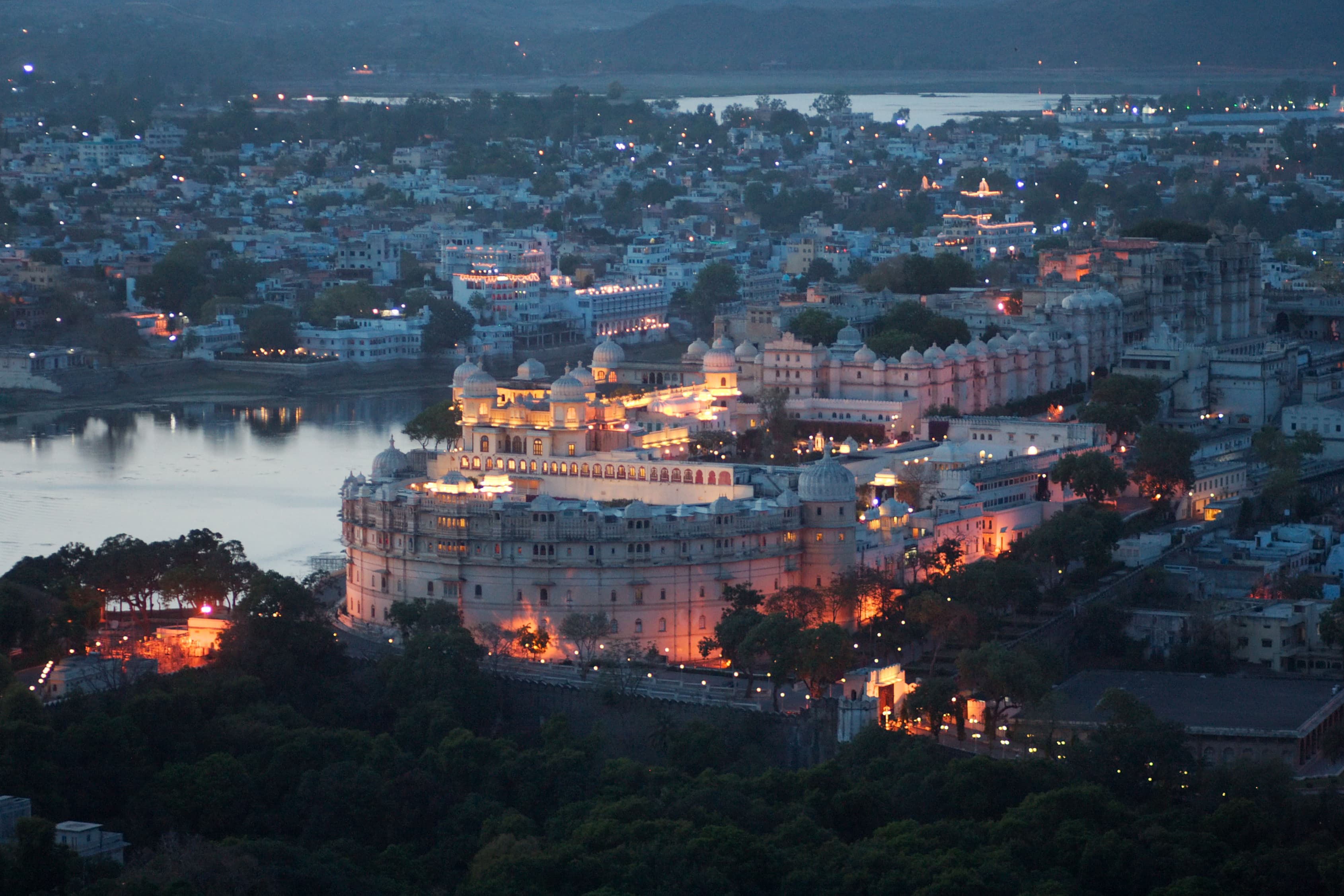
India
80OVR

China
84OVR
Udaipur
India
Xi'an
China
Udaipur
Xi'an
💰 Budget
🛡️ Safety
Udaipur
Udaipur is one of the safer cities in Rajasthan for tourists, with a noticeably calmer and less aggressive atmosphere than Agra or Jaipur. Violent crime against tourists is rare. The primary concerns are opportunistic scams, gem fraud, and the usual hassles of Indian tourism. Solo female travelers report Udaipur as one of the more comfortable Rajasthani cities, though standard precautions apply.
Xi'an
Xi'an is a safe city for tourists. The same cautions as Chengdu apply: art student scams, traffic behaviour, and the need for a VPN. The Muslim Quarter is very safe despite sometimes appearing hectic.
⭐ Ratings
🌤️ Weather
Udaipur
Udaipur has a semi-arid climate moderated by its lake system and Aravalli Hills location. Winters are mild and very pleasant, summers are intensely hot and dry, and the monsoon from July to September fills the lakes and transforms the surrounding landscape green. The city is far more bearable in summer than the flat plains of Delhi or Agra.
Xi'an
Xi'an has a continental monsoon climate — cold winters, hot summers, and two distinct seasons of pleasant weather in spring and autumn. Air quality can be poor in winter due to heating and fog trapped in the Wei River basin. The Terracotta Army site is outdoor and uncomfortable in extreme heat or cold.
🚇 Getting Around
Udaipur
Udaipur's old city around Lake Pichola is compact and walkable. The main tourist area — from the City Palace to Jagdish Temple to the ghats — can be covered on foot in 20 minutes. Beyond the old city, auto-rickshaws, Ola, and taxis are the primary options. Traffic can be chaotic on the main roads but is significantly lighter than Jaipur or Delhi.
Walkability: The old city of Udaipur around Lake Pichola is highly walkable — narrow lanes, minimal traffic, and major sights clustered within a 1 km radius. Beyond the old city, distances grow and the heat makes walking impractical in summer. The ghats and lakefront promenade are pleasant pedestrian zones at any time.
Xi'an
Xi'an has a metro system covering the city centre and reaching the high-speed train stations. The Terracotta Army requires Bus 306 or a taxi/Didi. The city walls are walkable from the South Gate metro stop.
Walkability: Moderate in city centre. Muslim Quarter and Bell/Drum Tower area walkable. Terracotta Army requires transport.
The Verdict
Choose Udaipur if...
you want India's "City of Lakes" — Taj Lake Palace floating on Pichola, the City Palace, sunset boat rides, and Kumbhalgarh Fort day trip
Choose Xi'an if...
you want the Terracotta Army — 8,000 life-size warriors guarding Emperor Qin's tomb — plus the ancient Ming Dynasty City Wall, Muslim Quarter biang biang noodles, and the Silk Road's eastern terminus