Quick Verdict
Pick Chiang Mai for 300 moated-city temples, $1.50 pad thai, and ethical elephant-sanctuary mornings. Pick Siem Reap if Angkor Wat sunrise, Ta Prohm strangler-figs, and Bayon's 216 faces are the trip's reason.
🏆 Chiang Mai wins 77 OVR vs 72 · attribute matchup 1–5

Siem Reap
Cambodia
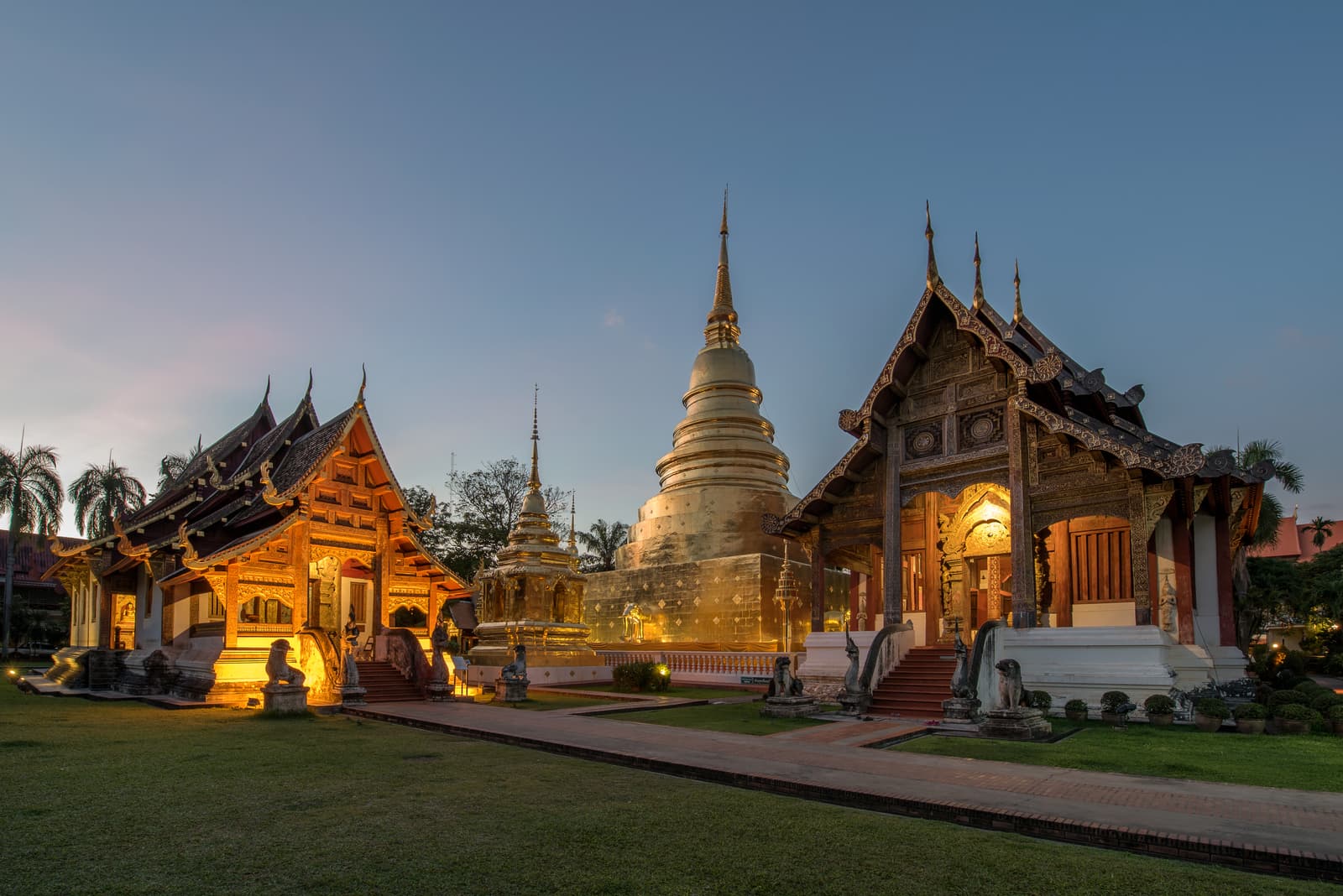
Chiang Mai
Thailand
Siem Reap
Chiang Mai
How do Siem Reap and Chiang Mai compare?
Two backpacker-favourite cities in Southeast Asia, with completely different draws. Chiang Mai is northern Thailand's calm cultural centre — 300+ temples inside the moated old city, the Sunday Walking Street market, ethical elephant sanctuaries (skip the riding camps), cooking classes that send you home with a recipe book, and a coffee scene that genuinely competes with Bangkok. Siem Reap is the launching pad for Angkor Wat — sunrise over the lotus pond at the main temple, Ta Prohm's strangler-fig jungle, Bayon's 216 carved faces, and Pub Street's chaotic backpacker nightlife when you come back from the temples.
These are two of the cheapest cities in the region — Chiang Mai runs around $55/day mid-range and Siem Reap around $60. A pad thai costs $1.50 in Chiang Mai; a fish amok curry in a Siem Reap riverside garden runs $5. Where Siem Reap wins decisively is its single headline attraction — Angkor is one of the great archaeological sites in the world and worth the trip on its own. Chiang Mai is the better all-around city: more food variety, more walkable, more to do beyond the headline site, and a much easier place to stay a week or a month.
Both peak November through February — cool, dry, jacket evenings — and both should be skipped April–May (burning season in Chiang Mai, brutal heat in Siem Reap). Pro tip: AirAsia runs Chiang Mai–Siem Reap with one stop in Bangkok for around $120 round-trip, and most travelers do them on the same Southeast Asia loop. Pick Chiang Mai for slow Thailand, temples, and food; pick Siem Reap if Angkor is the trip's reason.
💰 Budget
🛡️ Safety
Siem Reap
Siem Reap is generally safe for tourists and feels more relaxed than Phnom Penh. The main concerns are petty theft, temple scams, and road safety. The town's economy depends on tourism, so there is strong local motivation to keep visitors safe.
Chiang Mai
Chiang Mai is one of the safest cities in Southeast Asia for travelers. Violent crime against tourists is extremely rare, though petty theft and scams exist. The biggest health concern is air quality during burning season (February-April).
🌤️ Weather
Siem Reap
Siem Reap has a tropical monsoon climate nearly identical to Phnom Penh. It is hot year-round with a distinct wet season from May to October. The temples can be brutally hot midday — plan early morning and late afternoon visits.
Chiang Mai
Chiang Mai has a tropical savanna climate with three distinct seasons: hot, rainy, and cool. The city sits in a valley which traps heat and, unfortunately, smoke during the burning season (February-April).
🚇 Getting Around
Siem Reap
Siem Reap town is compact and walkable, but the temples require wheels. Most visitors hire a tuk-tuk or car with driver for full-day temple tours. Bicycles are popular for the Small Circuit temples. The town has no public transit system.
Walkability: The town center around Pub Street, the Old Market, and the river area is easily walkable. Most hotels and guesthouses in the tourist zone are within a 15-minute walk of the center. The temples, however, are 6+ km away and require transport.
Chiang Mai
Chiang Mai lacks a metro or rail system, so getting around relies on songthaews (red shared trucks), tuk-tuks, Grab ride-hailing, and rented scooters. The Old City is compact enough to walk or cycle. The city is currently building a light rail system planned for future years.
Walkability: The Old City is very walkable — roughly 1.5 km on each side — and most major temples are within easy walking distance of each other. The Nimmanhaemin area is also pedestrian-friendly. Beyond these areas, distances grow and motorized transport is needed.
📅 Best Time to Visit
Siem Reap
Jan–Feb, Nov–Dec
Peak travel window
Chiang Mai
Jan–Feb, Nov–Dec
Peak travel window
The Verdict
Choose Siem Reap if...
you want Angkor Wat at sunrise — Ta Prohm jungle temple, Bayon faces at Angkor Thom, Banteay Srei carvings, Pub Street nightlife, and Tonle Sap floating villages
Choose Chiang Mai if...
you want northern Thailand's temple city — Doi Suthep sunsets, Sunday Walking Street, ethical elephant sanctuaries, and Songkran soaked to the bone
Siem Reap
Chiang Mai
You might also compare
Siem ReapvsChiang Mai
Try another