Quick Verdict
Pick Cartagena for Calle del Arsenal townhouses, Castillo San Felipe walls, and ceviche at La Cevichería in Getsemaní. Pick São Paulo for Avenida Paulista's MASP stilts, Liberdade ramen, and Mercado Municipal mortadella sandwiches.
🏆 Cartagena wins 71 OVR vs 69 · attribute matchup 3–5

São Paulo
Brazil
Cartagena
Colombia
São Paulo
Cartagena
How do São Paulo and Cartagena compare?
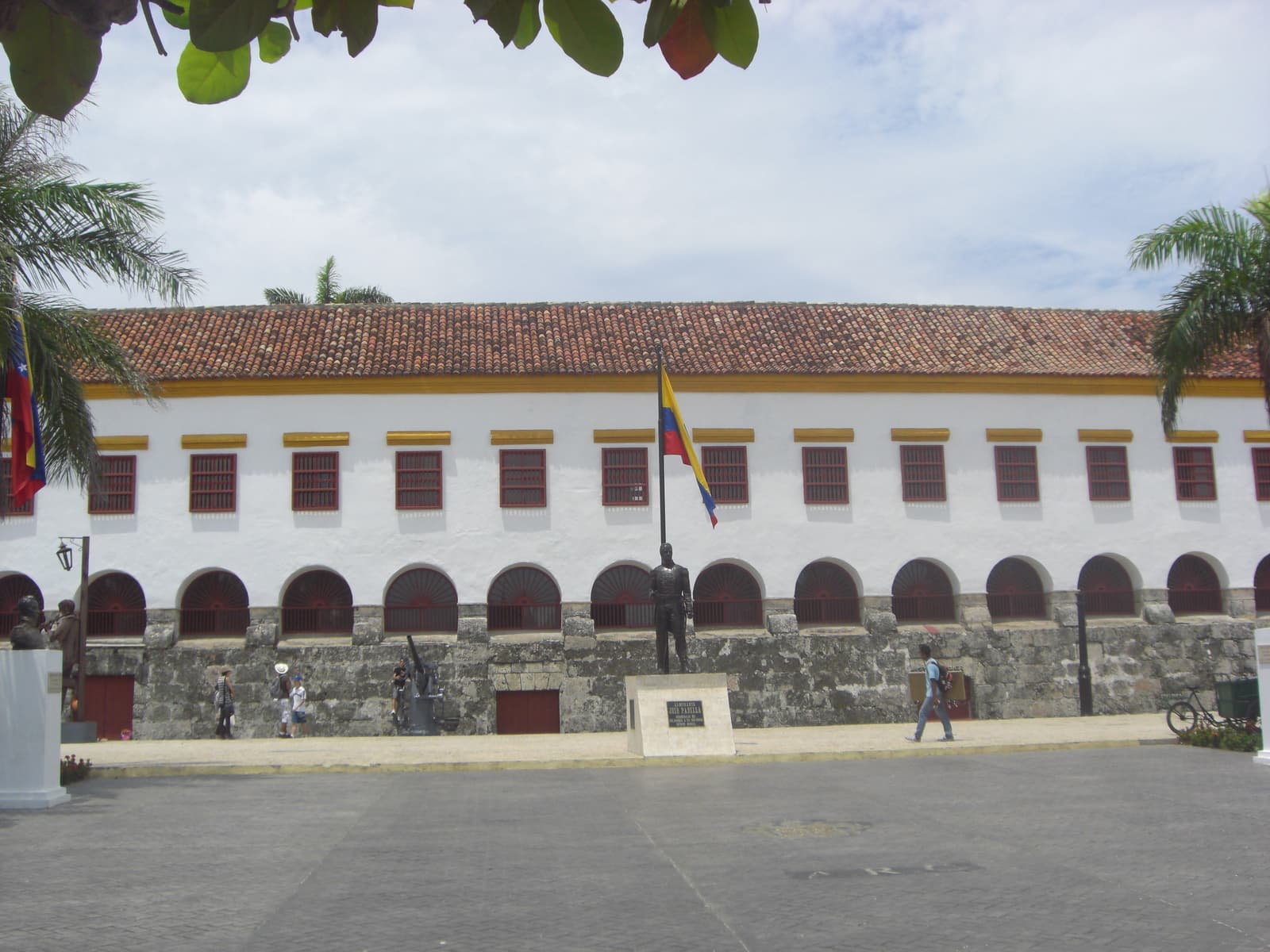
The Caribbean-colonial vs Brazilian-megacity comparison — both Latin American powerhouses, completely different scales. Cartagena is Colombia's coastal jewel — a 16th-century walled city of Spanish colonial townhouses on Calle del Arsenal, fortress walls at Castillo San Felipe, ceviche and coconut rice at La Cevichería in Getsemaní, $3 arepas de huevo from street carts, and 32°C Caribbean humidity that shapes the whole rhythm. São Paulo is South America's financial titan at 22 million people — Avenida Paulista's skyscraper canyon, the MASP modernist museum on red stilts, Liberdade's Japanese district where ramen costs $8, Vila Madalena's graffitied bar lanes, the Mercado Municipal's mortadella sandwiches at Hocca Bar, and a sprawl that takes two hours to cross by metro.
Cartagena runs $45 hostel / $110 mid / $300 luxe, safety around 60. São Paulo is pricier at $50 / $120 / $325 with safety near 55 — Centro and Brás after dark are off-limits, while Jardins and Vila Madalena are fine. A beer in Cartagena is $2, in São Paulo a chopp at a boteco is $3-4 but a steakhouse picanha will run $30. Climate diverges — Cartagena is steady 30°C year-round, São Paulo sits at 800m and swings between 28°C summer humidity and chilly 12°C winter mornings. Cultural depth tilts to São Paulo for sheer scale — best museums in South America, the world's biggest Japanese diaspora, MASP and Pinacoteca — while Cartagena wins on concentrated colonial atmosphere and walking-distance everything.
Cartagena's window is December-April (dry season). São Paulo runs year-round with no hurricanes; April-September is the driest and coolest. Pro tip: in Cartagena, get a SIM with Claro or Tigo for $5 and use InDriver instead of street taxis. In São Paulo, never flag a street taxi — use Uber or 99 exclusively, and the metro stops running at midnight Mon-Sat (1am Sunday), so plan late nights around it; the Bilhete Único covers metro and bus together. Pick Cartagena for walled-city charm, Caribbean beach access, and salsa nights at Café Havana. Pick São Paulo for world-class restaurants, a 25,000-seat boteco scene, and the cultural density of a true global megacity.
💰 Budget
🛡️ Safety
São Paulo
Sao Paulo requires street smarts but is generally manageable for experienced urban travelers. Petty crime like phone snatching and pickpocketing is common, especially around transit hubs. Affluent neighborhoods like Jardins and Pinheiros are considerably safer than peripheral areas.
Cartagena
Cartagena is generally safe for tourists in the Walled City, Getsemani, and Bocagrande, but petty crime like pickpocketing and phone snatching is common. Scams targeting tourists are widespread. Use common sense, especially after dark.
🌤️ Weather
São Paulo
Sao Paulo sits at about 760m elevation, giving it a milder subtropical climate than coastal Brazil. Summers are warm and wet with frequent afternoon downpours. Winters are dry and cool. The city can experience dramatic temperature swings within a single day.
Cartagena
Cartagena has a tropical climate with consistently hot temperatures year-round. There are two main seasons: dry (December-April) and wet (May-November). Humidity is always high, typically 80-90%. Air conditioning is your friend.
🚇 Getting Around
São Paulo
Sao Paulo has a growing Metro system supplemented by an extensive bus network. Traffic is notoriously bad — the city regularly records traffic jams exceeding 200 km in length during rush hour. The Bilhete Unico transit card works across Metro, trains, and buses.
Walkability: Sao Paulo is walkable within individual neighborhoods — Jardins, Vila Madalena, and Avenida Paulista are excellent on foot. However, the city is enormous and spread out, so you'll need transit between districts. Sunday closures of Avenida Paulista create the best pedestrian experience.
Cartagena
Cartagena is a compact city. The Walled City, Getsemani, and Bocagrande are all walkable (though hot). Taxis are the main transport mode — meters are not used, so agree on fares in advance. Uber works but drivers may be cautious about pickups. TransCaribe rapid buses serve broader routes.
Walkability: The Walled City and Getsemani are highly walkable but extremely hot during midday (10 AM - 3 PM). The walls themselves are a spectacular walking route, especially at sunset. Bocagrande has a beachfront promenade. Wear comfortable shoes — cobblestones are uneven. Carry water at all times.
📅 Best Time to Visit
São Paulo
Apr–May, Sep–Oct
Peak travel window
Cartagena
Jan–Mar, Dec
Peak travel window
The Verdict
Choose São Paulo if...
you want Brazil's world-capital of immigrant food — Liberdade (Japan), Bixiga (Italy), São Paulo Art Museum (MASP), Avenida Paulista, and the continent's wildest nightlife
Choose Cartagena if...
you want a UNESCO walled city on the Caribbean — salsa courtyards, Getsemaní street art, Rosario Islands, and Colombia's friendliest coast
São Paulo
Cartagena
You might also compare
São PaulovsCartagena
Try another