Quick Verdict
Pick Puerto Vallarta if walkable Malecón sunsets, Zona Romántica nightlife, and $4 birria taco stands trump Caribbean photos. Pick Tulum if Mayan cliff ruins, cenote dives, and turquoise-water beach yoga beat Pacific old-towns.
Can't pick? Visit both.
Build a trip that includes Puerto Vallarta and Tulum, with complementary stops we'll suggest.
🏆 Puerto Vallarta wins 71 OVR vs 67 · attribute matchup 6–2
Keep exploring

Puerto Vallarta
Mexico
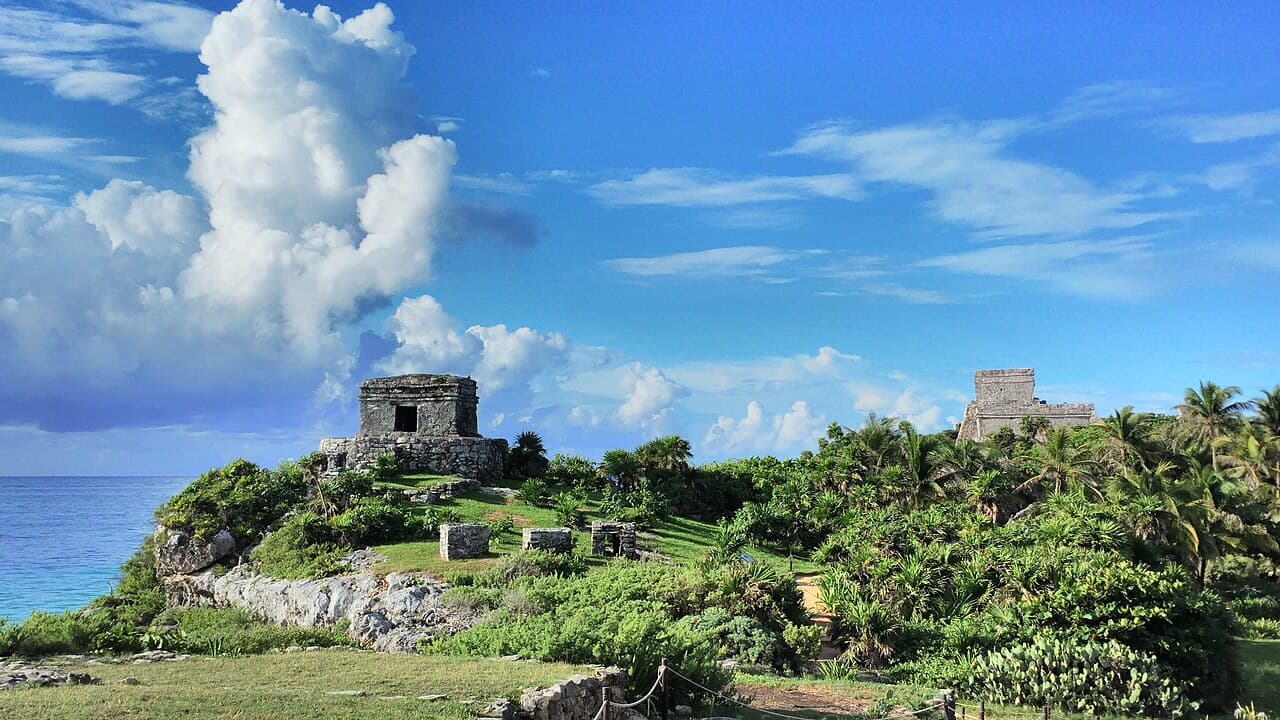
Tulum
Mexico
Puerto Vallarta
Tulum
How do Puerto Vallarta and Tulum compare?
Two Mexican beach trips, and the dilemma is really about which coast and which crowd. Puerto Vallarta is Pacific Mexico done old-school: a 12-block walkable Centro with Iglesia de Guadalupe's crown spire glowing at sunset, the Malecón's bronze sculptures along a curving beachfront, and Zona Romántica's gay-friendly bar scene running til 3 AM under bougainvillea-hung balconies. Tulum is the Caribbean photo-shoot — Mayan cliff ruins above water that genuinely is the color of the postcard, cenote dives where you swim through 60-foot stalactite chambers, and a beach-road hotel zone where boho-chic lighting and DJ nights have replaced what was a fishing village 20 years ago.
Mid-range nightly rates favor Tulum on paper ($150 vs $200) but the truth is upside-down — Tulum's beach-zone restaurants run $80/head while Puerto Vallarta's old-town birria stands serve $4 tacos all night, and Tulum's luxury number ($950) tells the real story of beach-side resort pricing. PV walks, Tulum requires a bike or taxi spine. Safety also flips: PV runs a 70 index, Tulum sits at 58 (cartel-related incidents have hit the hotel zone in recent years — check current advisories).
Both peak November–April (dry season). Tulum is hottest December–March when North America flees winter; PV is most pleasant February–April before May humidity. Combine trips smartly: PV pairs with Sayulita and Yelapa boat days; Tulum pairs with Cobá pyramids, Sian Ka'an biosphere, and a Cancún airport routing.
💰 Budget
🛡️ Safety
Puerto Vallarta
Puerto Vallarta is one of the safer Mexican Pacific resort cities — direct tourist incidents are rare, the central tourist zones (Romantic Zone, Malecón, Hotel Zone, Marina) are well-policed, and violent crime in the tourist core is uncommon. The genuine concerns are timeshare aggressiveness, beach vendor pressure, occasional taxi overcharging, and the broader context of cartel violence in Jalisco state (rare to affect tourists in PV but not zero). Solo travellers and LGBTQ+ visitors generally report comfort.
Tulum
Tulum is generally safe for tourists in designated areas but requires more vigilance than its boho-paradise image suggests. Between 2021 and 2023, cartel-related violence affected the Riviera Maya region, including incidents in and near Tulum — including a beach club shooting in 2021 that injured foreign tourists. The situation has stabilized but the underlying risk remains. Petty crime, ATM skimming, and drug-related pressure are the most common traveler concerns. Stick to tourist zones, use official or app-based transport, and avoid isolated beaches at night.
🌤️ Weather
Puerto Vallarta
Puerto Vallarta has a tropical wet-and-dry climate — dry season (November-May) is sunny and warm, wet season (June-October) is hot and humid with daily afternoon thunderstorms. Hurricanes are rare (Banderas Bay's mountain wall provides some shelter) but the September-October peak season has occurred. Sea temperature stays 25-29°C year-round.
Tulum
Tulum has a tropical wet-dry climate. Temperatures are warm year-round, ranging from 22°C at night in winter to 34°C on summer afternoons. The dry season (November through April) is peak tourist season with low humidity, calm seas, and almost no rain. The wet season (June through November) brings daily afternoon thunderstorms, higher humidity, hurricane risk, and the annual sargassum seaweed invasion. April through September see the heaviest seaweed on beaches.
🚇 Getting Around
Puerto Vallarta
Puerto Vallarta is divided into several distinct districts — the Romantic Zone (south of the river), Centro (around the Malecón), the Hotel Zone (north along the bay), Marina Vallarta (further north), and Nuevo Vallarta (across the state line in Nayarit). Walking covers a single district; Uber or taxi connects districts. Public buses are excellent value but slow. The bay's south coast (Boca de Tomatlán, Yelapa) requires water taxis as no road runs along the southern bay.
Walkability: The Romantic Zone and central Malecón corridor are excellent for walking — flat, dense, and engaging. The Hotel Zone is a 6 km strip along the highway and not really walkable between hotels; you take taxis or buses for inter-hotel movement. The Marina is its own walkable enclave but isolated from downtown without a vehicle.
Tulum
Tulum has no unified public transport system and navigating between its two zones is one of the main practical frustrations of a visit. The Zona Hotelera beach road is 8-10 km long with no bus service — getting around requires taxis, bicycles, scooters, or rental cars. In Tulum Pueblo, colectivos (shared vans) connect efficiently to Playa del Carmen, Cobá, and other destinations. The Maya Train added a new option for intercity travel but its Tulum station is several kilometers from both zones.
Walkability: Tulum Pueblo is walkable within its compact grid — the main strip (Avenida Tulum) has restaurants, shops, and services within a few blocks. The Zona Hotelera is emphatically not walkable at 8-10 km long with no sidewalks for much of its length. Between the two zones (5 km) is a bikeable but long walk. A bicycle or scooter is essential for any real exploration.
📅 Best Time to Visit
Puerto Vallarta
Jan–Apr, Nov–Dec
Peak travel window
Tulum
Jan–Apr, Nov–Dec
Peak travel window
The Verdict
Choose Puerto Vallarta if...
you want a walkable Pacific Mexican beach city with Hollywood history, Latin America's best LGBTQ+ scene, humpback whales December-March, and the Marietas Islands offshore
Choose Tulum if...
you want Mayan cliff ruins above turquoise Caribbean, cenote diving, and a boho-chic beach scene (with eye-watering hotel-zone prices)
Puerto Vallarta
Frequently asked
Is Puerto Vallarta or Tulum cheaper?
Tulum is cheaper on average. A mid-range day in Puerto Vallarta costs about $200 vs $150 in Tulum, so Tulum saves you roughly $50 per day compared to Puerto Vallarta.
Is Puerto Vallarta or Tulum safer?
Puerto Vallarta scores higher on our safety index (70/100 vs 58/100). Puerto Vallarta is one of the safer Mexican Pacific resort cities — direct tourist incidents are rare, the central tourist zones (Romantic Zone, Malecón, Hotel Zone, Marina) are well-policed, and violent crime in the tourist core is uncommon.
Which has better weather, Puerto Vallarta or Tulum?
Puerto Vallarta has the more temperate climate year-round. Puerto Vallarta has a tropical wet-and-dry climate — dry season (November-May) is sunny and warm, wet season (June-October) is hot and humid with daily afternoon thunderstorms. Hurricanes are rare (Banderas Bay's mountain wall provides some shelter) but the September-October peak season has occurred. Sea temperature stays 25-29°C year-round.
Is it easier to get by with English in Puerto Vallarta or Tulum?
English is more widely spoken in Puerto Vallarta (5/5 vs 4/5 on our scale). You'll find it easier to order food, ask for directions, and navigate transit in Puerto Vallarta.
When is the best time to visit Puerto Vallarta vs Tulum?
Puerto Vallarta peaks in Jan–Apr, Nov–Dec. Tulum peaks in Jan–Apr, Nov–Dec. Both peak in Jan–Apr, Nov–Dec, so a single trip pairs them naturally.
How long is the flight from Puerto Vallarta to Tulum?
Roughly 2h 46m on a direct flight (about 1,851 km / 1,150 mi). One-way fares typically run $250-700 depending on season and how far in advance you book.
How do daily costs in Puerto Vallarta and Tulum compare?
In Puerto Vallarta: budget ~$60-110/day, mid-range ~$150-300/day, luxury ~$450-1,500/day. In Tulum: budget ~$35-55/day, mid-range ~$100-200/day, luxury ~$400-1,500+/day.
You might also compare
Puerto VallartavsTulum
Try another