Quick Verdict
Pick Pucón for Villarrica summit climbs, hot-spring soaks, and Huerquehue araucaria forest hikes. Pick Valparaíso if hillside murals, ascensores funiculars, and Pacific-port poet-house tours suit better.
Can't pick? Visit both.
Build a trip that includes Pucón and Valparaíso, with complementary stops we'll suggest.
🏆 Pucón wins 72 OVR vs 69 · attribute matchup 5–4
Keep exploring
Pucón
Chile

Valparaíso
Chile
Pucón
Valparaíso
How do Pucón and Valparaíso compare?
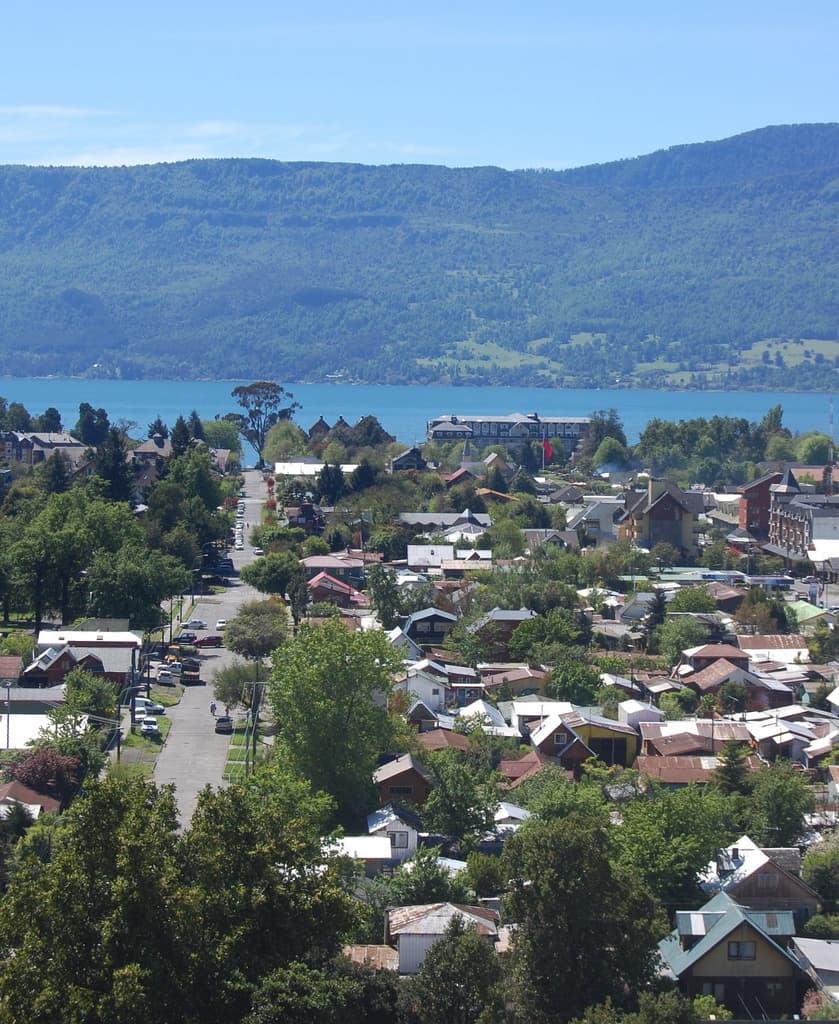
Pucón — a lakeside resort town in Chile's northern Patagonia, while Valparaíso — chile's bohemian port city. Both sit in Chile, yet the country you encounter at each is barely the same place.
Pucón is the better pick for nature. Valparaíso has a slight edge on cultural depth. Mid-range budgets land around $110/day in both.
Both peak around the same window (December through March), so a single trip can hit each at its best.
💰 Budget
🛡️ Safety
Pucón
Pucón is one of the safest destinations in Chile — a small tourist town with low crime, friendly locals, and a strong community presence. The genuine concerns are adventure-sport accidents (volcano climb falls, white-water rafting incidents, ski injuries), volcanic-activity warnings (Volcán Villarrica is active and has had eruption alerts as recently as 2015), and driving the rural unsealed roads in poor weather. Solo female travellers report Pucón as comfortable and welcoming.
Valparaíso
Valparaíso requires more vigilance than Santiago. Petty crime (bag-snatching, pickpocketing) is common on the cerros and in the Plan, especially after dark. The port area and some lower hills can feel sketchy at night. Stick to well-traveled areas, and the tourist-friendly hills are generally fine during the day.
🌤️ Weather
Pucón
Pucón has a marine west-coast climate (Cfb) — moderate year-round temperatures (rarely below -5°C in winter or above 28°C in summer), high annual rainfall (~2,000 mm), and four distinct seasons inverted from the northern hemisphere. Summer (December-March) is dry and pleasant; winter (June-September) is wet but mild with snow at higher elevations driving the ski season. Spring and autumn are transitional and unpredictable.
Valparaíso
Valparaíso has a Mediterranean climate with warm, dry summers and mild, rainy winters. The Pacific coast keeps temperatures moderate year-round — it rarely gets very hot or very cold. Fog (camanchaca) is common in the mornings, especially in summer.
🚇 Getting Around
Pucón
Pucón's town centre is small enough to walk end-to-end (10 blocks). For everything beyond town (Volcán Villarrica trailhead, Termas Geométricas, Huerquehue, Caburgua) you need a car or organised tour. The bus station has frequent regional buses to Villarrica (25 km west) and longer-distance services to Santiago and other Lake District towns.
Walkability: Pucón's town centre is fully walkable — 10 blocks total, all sights within 15 minutes of any town accommodation. Beyond town (volcano, hot springs, parks) you need transport (car, tour shuttle, or taxi). The Costanera lakefront walk is the best free in-town activity.
Valparaíso
Valparaíso is a city of steep hills and narrow streets, best explored on foot with funicular assistance. Local buses (micros) and colectivos (shared taxis) navigate the hills efficiently. The metro connects to Viña del Mar and other coastal towns.
Walkability: The flat Plan district is easy to walk, but the cerros demand serious hill-climbing. Stairways (escaleras) connect the hills to the lower city — beautiful but exhausting. The funiculars are essential for avoiding the steepest sections. Wear comfortable shoes with grip — the streets are uneven and steep.
📅 Best Time to Visit
Pucón
Jan–Mar, Dec
Peak travel window
Valparaíso
Jan–Mar, Oct–Dec
Peak travel window
The Verdict
Choose Pucón if...
You want Chile's adventure-sport hub — climb a live volcano in the morning, soak in geometric hot springs at night, all within an hour of one ski-resort town.
Choose Valparaíso if...
you want bohemian street art, funiculars, and colorful hillside neighborhoods by the Pacific — Chile's creative soul
Valparaíso
Frequently asked
Is Pucón or Valparaíso cheaper?
Valparaíso is cheaper on average. A mid-range day in Pucón costs about $115 vs $105 in Valparaíso, so Valparaíso saves you roughly $10 per day compared to Pucón.
Is Pucón or Valparaíso safer?
Pucón scores higher on our safety index (80/100 vs 60/100). Pucón is one of the safest destinations in Chile — a small tourist town with low crime, friendly locals, and a strong community presence.
Which has better weather, Pucón or Valparaíso?
Valparaíso has the more temperate climate year-round. Valparaíso has a Mediterranean climate with warm, dry summers and mild, rainy winters. The Pacific coast keeps temperatures moderate year-round — it rarely gets very hot or very cold. Fog (camanchaca) is common in the mornings, especially in summer.
Is it easier to get by with English in Pucón or Valparaíso?
English is more widely spoken in Pucón (3/5 vs 2/5 on our scale). You'll find it easier to order food, ask for directions, and navigate transit in Pucón.
When is the best time to visit Pucón vs Valparaíso?
Pucón peaks in Jan–Mar, Dec. Valparaíso peaks in Jan–Mar, Oct–Dec. Both peak in Jan–Mar, Dec, so a single trip pairs them naturally.
How long is the flight from Pucón to Valparaíso?
Roughly 1h 24m on a direct flight (about 693 km / 430 mi). One-way fares typically run $120-350 depending on season and how far in advance you book.
How do daily costs in Pucón and Valparaíso compare?
In Pucón: budget ~$45-75/day, mid-range ~$90-160/day, luxury ~$280-700/day. In Valparaíso: budget ~$40-60/day, mid-range ~$80-130/day, luxury ~$180-300/day.
You might also compare
PucónvsValparaíso
Try another