Quick Verdict
Pick Bali if Tegalalang terraces, Uluwatu kecak dances, and Canggu surf shape your week. Pick Okinawa if Shuri Castle, Kerama Islands diving, and goya champuru centenarian dinners matter more.
🏆 Okinawa wins 79 OVR vs 71 · attribute matchup 5–2

Okinawa
Japan
Bali
Indonesia
Okinawa
Bali
How do Okinawa and Bali compare?
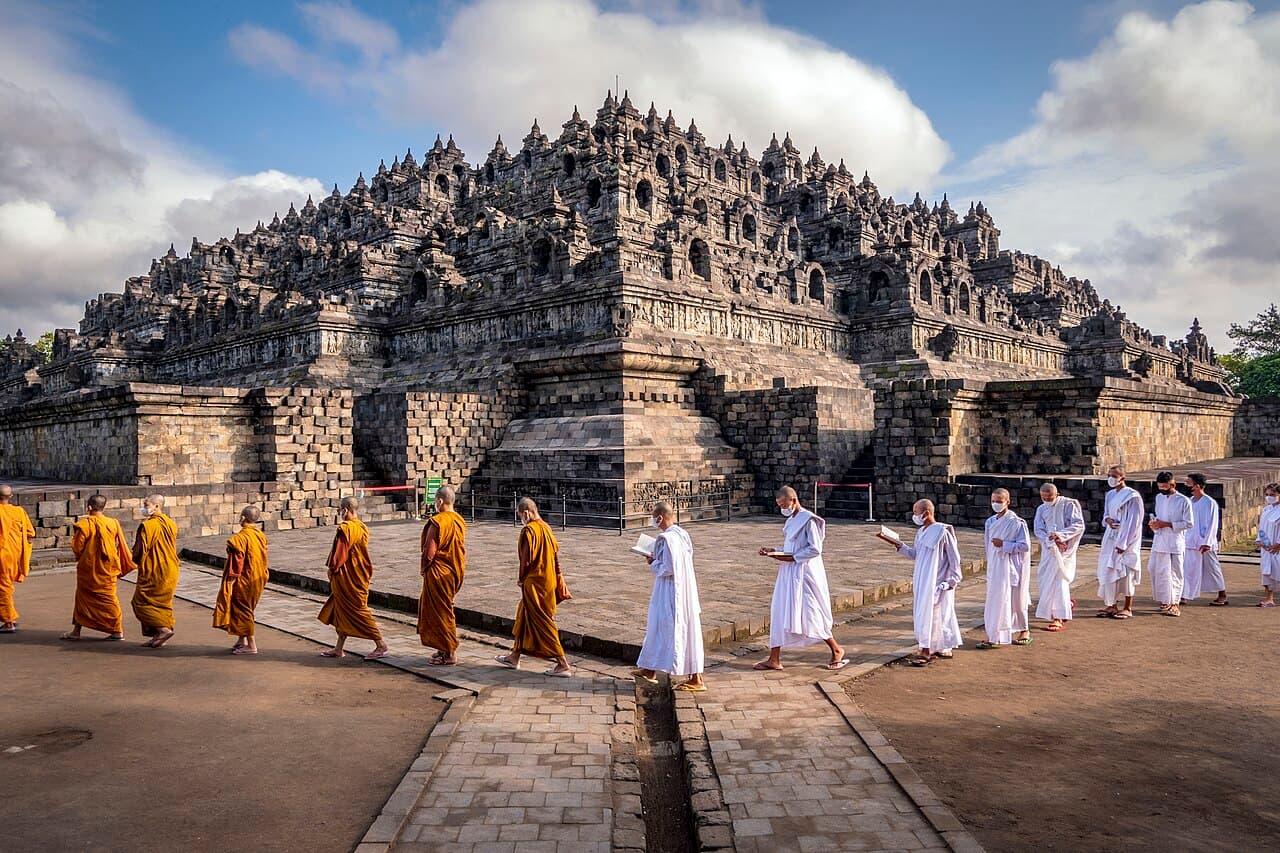
Two tropical Asian island choices at $110 vs $150 a night, but one is Hindu-temple-and-rice-terrace and the other is Ryukyuan-and-centenarian, and your week is about which culture you want layered over the swimming. Bali is Hindu-island Indonesia: Tegalalang rice terraces in Ubud morning light, Uluwatu's cliff-top temple kecak fire dance at sunset, Canggu surf at Echo Beach, Tanah Lot's offshore sea-temple, and a $35-a-night villa with a private plunge pool that's the cheapest luxury in Asia. Okinawa is subtropical Japan with a distinct Ryukyuan identity — Shuri Castle (rebuilt after the 2019 fire), Kerama Islands diving with sea turtles, the Okinawa World gardens, soba shops serving the centenarian-diet goya champuru, and a culture softer and warmer than mainland Japan.
Mid-range $110 in Bali vs $150 in Okinawa — Bali is 27% cheaper, with luxury at $313 vs $375. Cleanliness gap is significant (Bali 3 vs Okinawa 5). Walkability both weak (2/5 Bali, 3/5 Okinawa). Best months: Bali is April-September (dry season), Okinawa is April-May and October-November (avoid June-August typhoons). Both have 5/5 nature access. Bali's nightlife edges (4 vs 3); Okinawa's safety dominates (92 vs 65).
Practical tip: Bali requires 3-week visa-on-arrival or e-VOA ($35); Okinawa needs no visa for most Western passports under 90 days. Combine via Singapore Airlines or AirAsia ($350 1-stop). Pick Bali if Tegalalang rice terraces, Uluwatu kecak dances, and $35-villa luxury shape your trip. Pick Okinawa if Shuri Castle, Kerama Islands diving, and centenarian goya champuru matter more.
💰 Budget
🛡️ Safety
Okinawa
Okinawa is extremely safe by any global standard, consistent with Japan's overall reputation for low crime. The main practical risks are natural: typhoons, ocean currents, and traffic on the Expressway. US military-related incidents are occasionally reported but rarely affect tourists.
Bali
Bali is generally safe for tourists, but road safety is a major concern — motorbike accidents are the leading cause of tourist injury and death. Petty theft, tourist scams, and alcohol-related incidents are common in party areas like Kuta and Seminyak.
🌤️ Weather
Okinawa
Okinawa has a subtropical oceanic climate — warm year-round, with a distinct rainy season (tsuyu) in May–June, typhoon season from July through October, and a mild winter that barely qualifies as cold. The sea temperature is swimmable from April through November.
Bali
Bali has a tropical monsoon climate with two distinct seasons: dry (April-October) and wet (November-March). Temperatures are consistently warm year-round, with highland areas like Ubud and Kintamani noticeably cooler than the coast.
🚇 Getting Around
Okinawa
The main island has a single monorail line (Yui Rail) in Naha and a bus network that is slow and complex. A rental car is virtually essential for anything north of Naha or off the urban core — this is not a city built for public transport.
Walkability: Good within Naha's Kokusai-dori area and around Shuri Castle. Very low elsewhere — Okinawa's main island sprawls along a north-south axis with attractions spread across 100+ km. A car is not optional for serious exploration.
Bali
Bali has no public transit system, trains, or metro. Getting around relies on scooter rental, private drivers, and ride-hailing apps. Traffic is congested in southern Bali, especially between Kuta, Seminyak, and Canggu. Hiring a driver for the day is often the most comfortable and surprisingly affordable option.
Walkability: Most areas of Bali are not walkable in the traditional sense — sidewalks are rare, traffic is dangerous for pedestrians, and distances between attractions are large. Ubud center and Seminyak's main strip are the most pleasant for walking. Always carry a flashlight at night as streets are poorly lit.
📅 Best Time to Visit
Okinawa
Apr–May, Oct–Nov
Peak travel window
Bali
Apr–Sep
Peak travel window
The Verdict
Choose Okinawa if...
you want subtropical Japan with a distinct Ryukyuan identity — Shuri Castle, Kerama Islands diving, centenarian longevity diet, and a culture softer and warmer than mainland Japan
Choose Bali if...
you want tropical paradise vibes, stunning rice terraces, surf culture, Hindu temples, and ultra-affordable luxury
You might also compare
OkinawavsBali
Try another