🏆 Kerala wins 84 OVR vs 79 · attribute matchup 3–2
India
84OVR

India
79OVR
Kerala
India
Madurai
India
Kerala
Madurai
💰 Budget
🛡️ Safety
Kerala
Kerala is consistently rated among the safest states in India for tourists, including solo female travelers. Its high literacy rate, organized tourism infrastructure, and strong local governance contribute to a lower crime rate than most Indian states. The primary hazards are environmental — monsoon flooding, coastal currents, and wildlife in forested areas — rather than personal safety concerns.
Madurai
Madurai is generally safe for travelers, including solo women. The main concerns are typical of busy South Indian pilgrimage cities: aggressive auto-rickshaw drivers, temple touts, and petty scams near tourist sites. The city is overwhelmingly focused on pilgrimage and is culturally very conservative. Dress modestly around temples.
⭐ Ratings
🌤️ Weather
Kerala
Kerala has a tropical climate governed by two monsoon cycles. The southwest monsoon (June-September) is the heaviest in mainland India, bringing thunderous daily rainfall, high humidity, and a dramatic transformation of the landscape into intense green. The northeast monsoon (October-November) brings lighter rains to the south. December to February is the dry, mild peak tourist season. Kerala's highland areas (Munnar, Wayanad) are significantly cooler year-round.
Madurai
Madurai has a hot tropical climate with temperatures rarely below 20°C. There is no cold season. Rain comes in two monsoon windows: the southwest monsoon (June–September) and the northeast monsoon (October–December), which brings heavier rains to Tamil Nadu. The driest and most comfortable months for visiting are January through March.
🚇 Getting Around
Kerala
Kerala is one of the better-connected Indian states for travel. Indian Railways runs the backbone of the coastal corridor linking Trivandrum, Kochi, and Calicut, with frequent expresses. KSRTC (Kerala State Road Transport Corporation) and private buses reach virtually every district. Kochi and Trivandrum have Uber and Ola. Autorickshaws are ubiquitous for short hops. The backwaters require boats. Munnar and Wayanad are best reached by hired car or bus from Kochi.
Walkability: Walkability varies sharply by location. Fort Kochi is compact and very walkable — the fishing nets, synagogue, Dutch Palace, and cafes are all within 30 minutes on foot. Alleppey town is flat and bikeable. Trivandrum and Calicut are sprawling and require transport. Munnar town is small but the plantation walks require transport to trailheads.
Madurai
Madurai's city centre and all major temples are within reasonable distance of each other. Auto-rickshaws are the primary way to get around — expect to negotiate fares as meters are rarely honoured. Ola and Uber both operate and are far more reliable for price transparency. The city is not walkable in summer heat but manageable in cooler months.
Walkability: The area immediately around the Meenakshi Temple — including Puthu Mandapam, the flower market lanes, and the old town bazaars — is walkable and best explored on foot in the early morning or evening. Avoid walking during peak afternoon heat (11 AM–4 PM) between April and June when temperatures regularly exceed 38°C. Streets near the temple are narrow and busy with pilgrims, vendors, and vehicles.
The Verdict
Choose Kerala if...
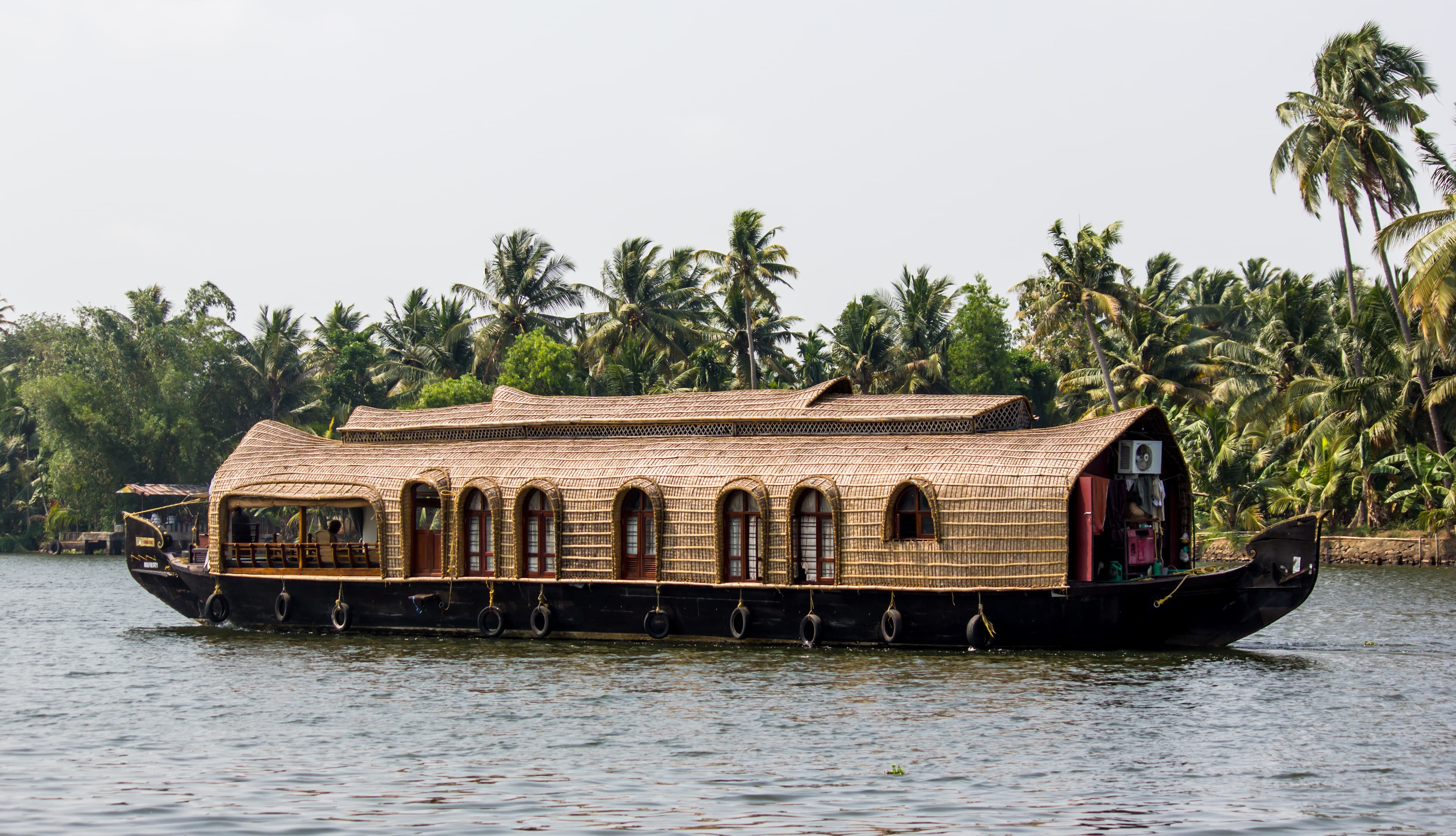
you want "God's Own Country" — Alleppey houseboat backwaters, Munnar tea hills, Fort Kochi colonial streets, Kathakali dance, and Ayurveda across a tropical coast
Choose Madurai if...
you want South India's great temple city — Meenakshi Amman's 33,000-statue gopurams, the 24-hour living temple, Gandhi's assassination dhoti, and South Indian banana-leaf meals at $1.50 that embarrass every restaurant in the world
Madurai