🏆 Hampi wins 80 OVR vs 79 · attribute matchup 3–4
India
80OVR

India
79OVR
Hampi
India
Madurai
India
Hampi
Madurai
💰 Budget
🛡️ Safety
Hampi
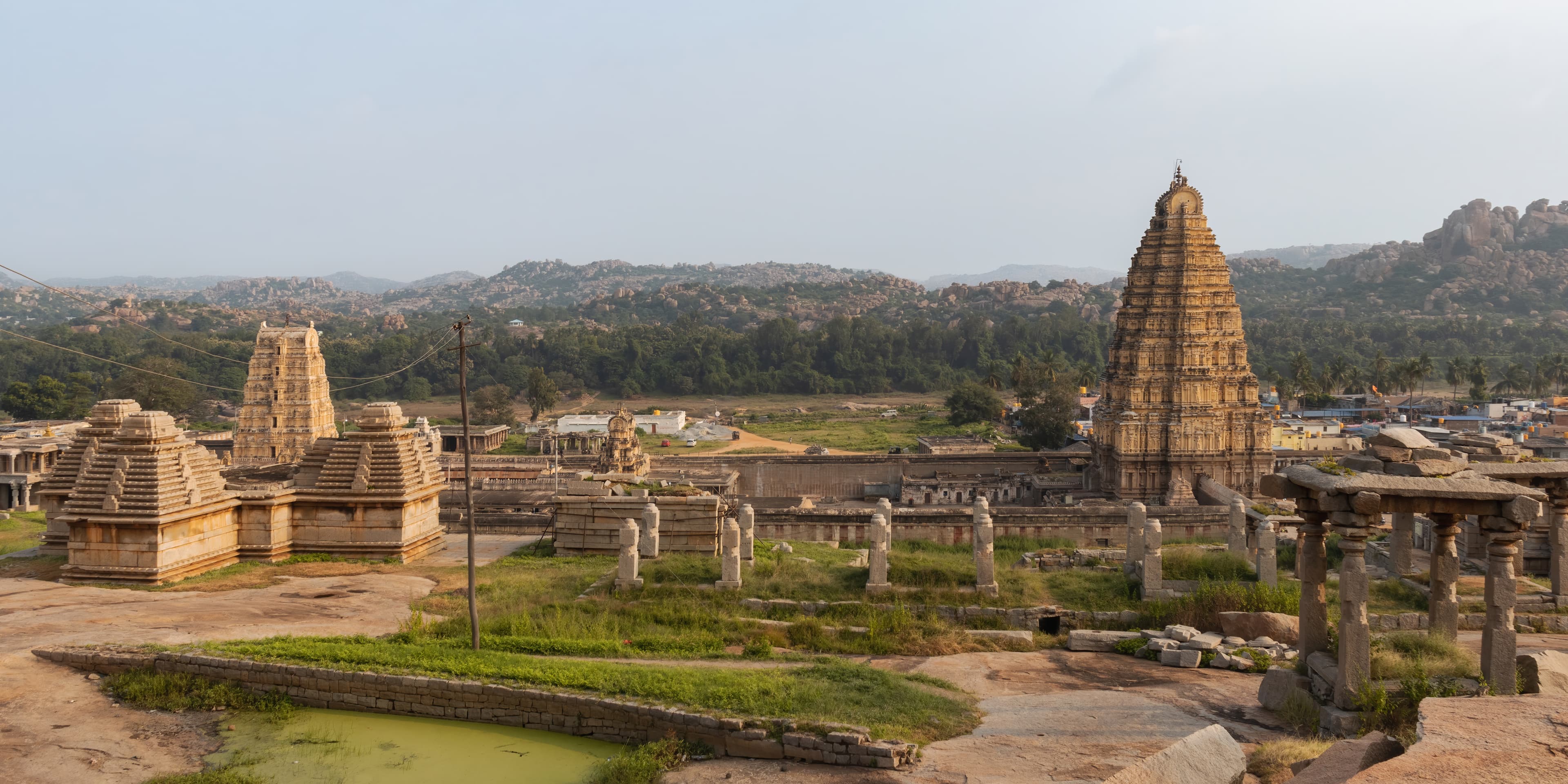
Hampi is a safe destination by Indian standards, with violent crime toward tourists extremely rare. The primary hazards are environmental rather than human — heat stroke in summer, slippery barefoot temple steps, and monkey bites from the large Rhesus macaque population around the temples. India's overall safety index sits around 112 on global peace indices; Hampi, as a pilgrimage and tourist town, is notably calmer than urban India.
Madurai
Madurai is generally safe for travelers, including solo women. The main concerns are typical of busy South Indian pilgrimage cities: aggressive auto-rickshaw drivers, temple touts, and petty scams near tourist sites. The city is overwhelmingly focused on pilgrimage and is culturally very conservative. Dress modestly around temples.
⭐ Ratings
🌤️ Weather
Hampi
Hampi sits on the Deccan Plateau in northern Karnataka, giving it a semi-arid climate with extremes in both directions. The tourist season runs mid-October to mid-March, when temperatures are pleasant and the granite ruins are comfortable to explore on foot. The remaining months — summer heat peaking above 40°C and a monsoon that turns paths muddy — make off-season visits genuinely challenging.
Madurai
Madurai has a hot tropical climate with temperatures rarely below 20°C. There is no cold season. Rain comes in two monsoon windows: the southwest monsoon (June–September) and the northeast monsoon (October–December), which brings heavier rains to Tamil Nadu. The driest and most comfortable months for visiting are January through March.
🚇 Getting Around
Hampi
Hampi's ruins span roughly 26 km² — too large to walk entirely but well-suited to bicycle or scooter. The Sacred Centre (Virupaksha to Vittala Temple, ~3 km) can be done on foot. The Royal Centre (Lotus Mahal, Elephant Stables, Queen's Bath) is a further 3–4 km south, making a bicycle or hired auto-rickshaw the practical choice for covering both zones in a day.
Walkability: The Sacred Centre core is walkable but the full ruin field is not — distances between major sites range from 1 to 6 km on sandy or rocky paths. The Royal Centre is not comfortably walkable from Hampi village. A bicycle is the minimum recommended transport for visitors wanting to cover both zones.
Madurai
Madurai's city centre and all major temples are within reasonable distance of each other. Auto-rickshaws are the primary way to get around — expect to negotiate fares as meters are rarely honoured. Ola and Uber both operate and are far more reliable for price transparency. The city is not walkable in summer heat but manageable in cooler months.
Walkability: The area immediately around the Meenakshi Temple — including Puthu Mandapam, the flower market lanes, and the old town bazaars — is walkable and best explored on foot in the early morning or evening. Avoid walking during peak afternoon heat (11 AM–4 PM) between April and June when temperatures regularly exceed 38°C. Streets near the temple are narrow and busy with pilgrims, vendors, and vehicles.
The Verdict
Choose Hampi if...
you want a UNESCO boulder-and-ruins landscape — the Vijayanagara capital, Virupaksha Temple, Stone Chariot, Matanga Hill sunset, and Hippie Island slow days
Choose Madurai if...
you want South India's great temple city — Meenakshi Amman's 33,000-statue gopurams, the 24-hour living temple, Gandhi's assassination dhoti, and South Indian banana-leaf meals at $1.50 that embarrass every restaurant in the world