🏆 Toronto wins 86 OVR vs 81 · attribute matchup 2–6
United States
81OVR

Canada
86OVR
Charleston
United States
Toronto
Canada
Charleston
Toronto
💰 Budget
🛡️ Safety
Charleston
The historic peninsula and the surrounding beach/barrier islands are very safe for visitors, with low violent crime and a heavy tourist-police presence downtown. Property crime (car break-ins, package theft) is the most common issue. Some outlying neighborhoods on the West Side and in North Charleston have higher crime rates but are not places most tourists end up.
Toronto
Toronto is one of the safest large cities in North America. The tourist areas — downtown core, Distillery District, Kensington Market, Yorkville, and the waterfront — are very safe at virtually any hour. Petty theft (phone snatching, bag theft) does occur in busy areas. The Jane-Finch and Scarborough areas have higher crime rates but are well away from tourist destinations.
⭐ Ratings
🌤️ Weather
Charleston
Charleston has a humid subtropical climate — mild winters, long warm springs, and punishingly hot and humid summers. Hurricane season runs June through November with peak risk in August-September. Spring (March-May) and fall (October-November) are the sweet spots.
Toronto
Toronto has a humid continental climate with four distinct seasons. Winters are cold with snow and occasional ice storms, though milder than many Canadian cities. Summers are warm and humid with temperatures regularly hitting 30°C+. Lake Ontario moderates temperatures slightly — the lake stays cold until July, which delays summer warming near the waterfront. Spring and fall are beautiful but brief.
🚇 Getting Around
Charleston
The historic peninsula is small — about 2 miles north-to-south at its widest — and extremely walkable. Charleston has very limited public transit for a US city: CARTA buses exist but run infrequently and cover downtown poorly for tourists. Most visitors walk everything downtown and rent a car or use Uber/Lyft for beaches, plantations, and the airport.
Walkability: Charleston's historic peninsula is one of the most walkable neighborhoods in the American South — flat, shaded by live oaks, well-maintained sidewalks (some brick and uneven), and tightly packed with destinations. Outside the peninsula, however, the metro is car-dependent and pedestrian infrastructure thins out fast.
Toronto
The TTC (Toronto Transit Commission) runs the subway, buses, and streetcars. It's functional but old and often overcrowded during rush hour. The Presto card is used on TTC, GO Transit (regional rail), and most regional buses — load it at any subway station. Driving in downtown Toronto is not recommended: traffic is severe and parking costs CAD $4–8/hour. The waterfront and many neighbourhoods are pleasant to walk.
Walkability: Downtown Toronto is very walkable between major attractions. The CN Tower, Harbourfront, Distillery District, St. Lawrence Market, and the AGO are all reachable on foot from each other. Kensington Market, Chinatown, and the Annex form another walkable cluster. The financial district's underground PATH system (30km) makes it possible to navigate a huge area without going outside in winter.
The Verdict
Choose Charleston if...
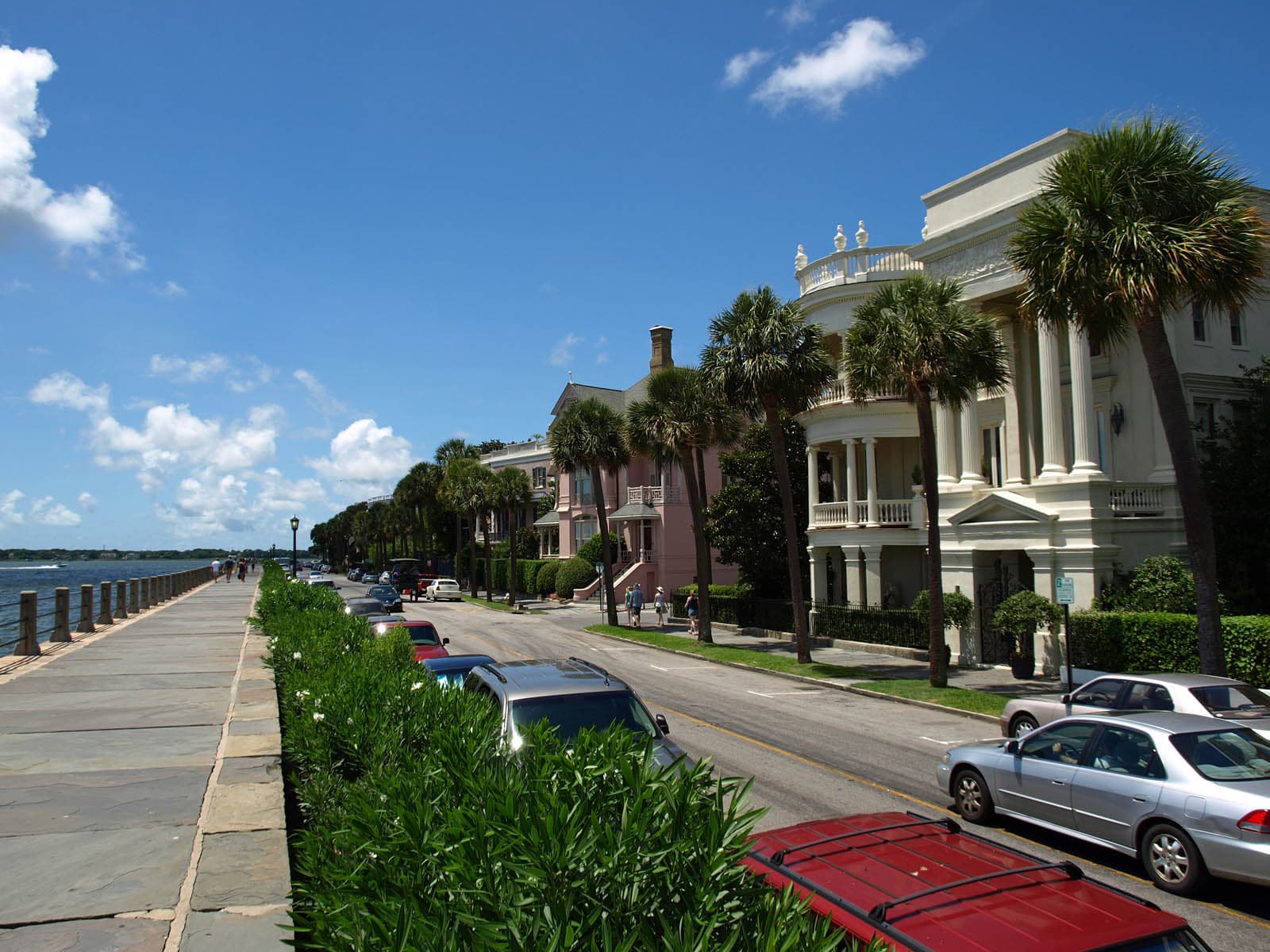
you want pastel antebellum architecture, harbor-side history, modern Southern cuisine's spiritual home, and Gullah-Geechee heritage
Choose Toronto if...
you want Canada's most cosmopolitan city — CN Tower EdgeWalk, 200-language multiculturalism, St. Lawrence Market, the Distillery District, ROM and AGO, world-class restaurants on every block, and Niagara Falls 90 minutes away
Charleston
Toronto