Zion National Park vs Glacier National Park
Which destination is right for your next trip?
Quick Verdict
Pick Glacier National Park for Going-to-the-Sun Road, Lewis Range ridgelines, and grizzly-country Many Glacier National Park campgrounds. Pick Zion National Park if Angels Landing chains, Narrows river-wades, and 2,000-foot Navajo Sandstone walls decide it.
🏆 Glacier National Park wins 72 OVR vs 71 · attribute matchup 4–1
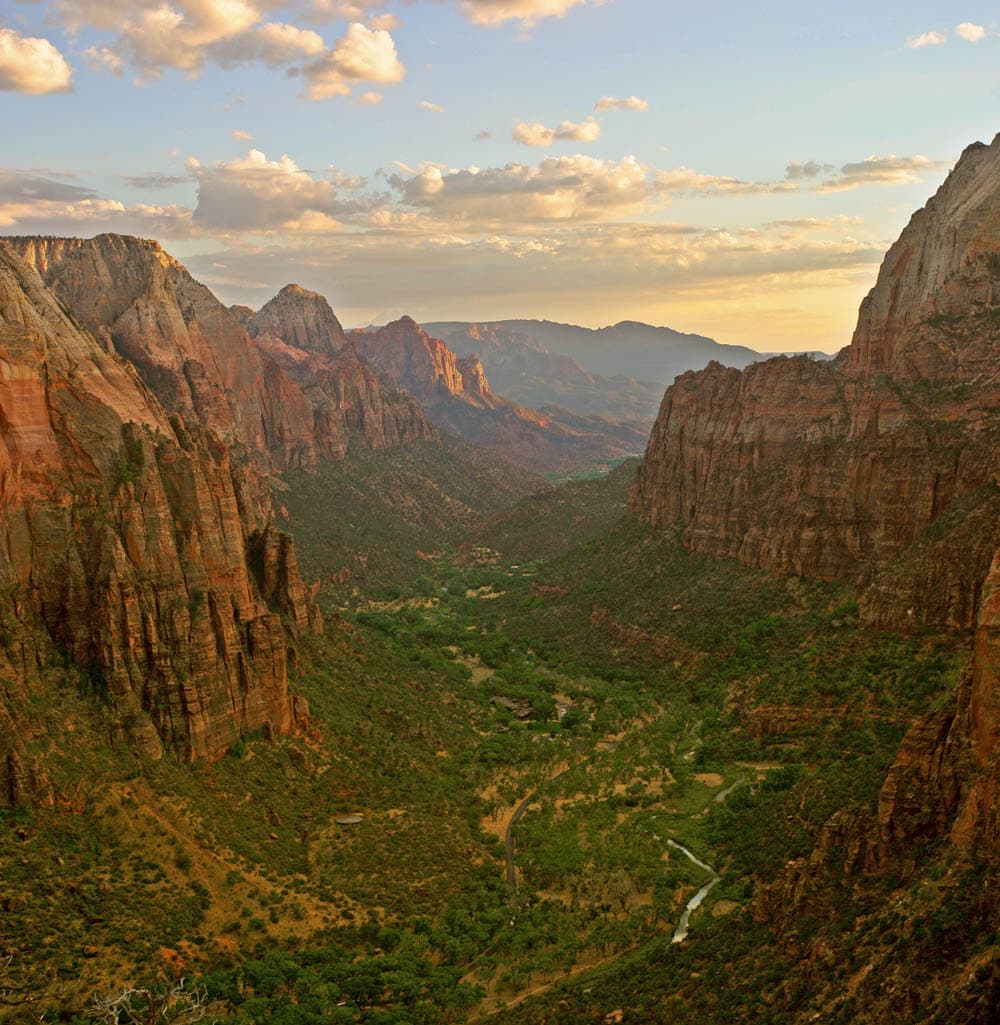
Zion National Park
United States

Glacier National Park
United States
Zion National Park
Glacier National Park
How do Zion National Park and Glacier National Park compare?
Polar opposites of the U.S. National Park system. Glacier is northern Montana ice and conifer at $115/day budget, peaks barely workable July through mid-September, grizzly country where bear spray is mandatory not optional, and a bear-can-required backcountry ethic. Zion is southern Utah desert sandstone at $103/day, open year-round, the Virgin River carving Navajo Sandstone walls 2,000 feet above the canyon floor. Glacier's Going-to-the-Sun Road is the headline drive; Zion's headline is the mandatory shuttle bus running April through November because cars cannot fit the canyon traffic. The temperature gap is brutal — Zion summers hit 35°C in slot canyons, Glacier high country can dust with snow in August.
Zion is the more accessible park by every measure — Las Vegas (LAS) is 2.5 hours by car, the Springdale gateway sits at the south entrance with hotels along the shuttle line, and the Pa'rus Trail is paved. Angels Landing's chained ridge requires a permit lottery and has killed hikers; the Narrows is a wade-up-river slot that closes on flash-flood days. Glacier's nearest airport is Kalispell (FCA) at 35 minutes, with Amtrak's Empire Builder stopping at West Glacier as a real backup. Zion absorbs 4.5 million visitors a year and feels it; Glacier's 3 million spread across vastly more terrain. Zion delivers maximum awe per minute; Glacier rewards depth with multi-day backcountry payoff.
If you are flying in for one trip, the deciding factor is timing — Zion works any month, Glacier punishes you outside July–September. Pro tip: hit Zion's Narrows from the bottom up before 9am to dodge the shuttle crowds, and reserve Glacier's Many Glacier campground six months out the day reservations drop at 8am Mountain. Pick Glacier for cool alpine air, jagged Lewis Range ridgelines, and grizzly-country wilderness. Pick Zion for red-rock immediacy, year-round access, and Angels Landing if you can land the lottery permit.
💰 Budget
🛡️ Safety
Zion National Park
Crime at Zion is a non-issue — the real hazards are natural and they kill people every year. Flash floods, falls from Angels Landing, heat illness, hypothermia in the Narrows, and dehydration are the big five. The single most important pre-hike habit: check the NPS flash flood forecast at the visitor center or nps.gov/zion before ANY slot canyon or Narrows trip. "Probable" or "Expected" risk means do not enter — a storm 10 miles upstream can kill you even in bright sunshine at the trailhead.
Glacier National Park
Glacier is extremely safe from a crime perspective but is genuinely serious wilderness with real consequences. The park holds the densest grizzly population in the contiguous US plus black bears throughout — bear spray is not optional, it is a piece of required equipment. Add the exposed cliff-edge driving on Going-to-the-Sun, sudden mountain thunderstorms with lightning on high passes, hypothermia risk even in August, hanging glaciers and rockfall, cold glacier-fed stream crossings, and late-summer wildfire smoke, and the hazard profile is genuinely different from most other US parks. Rangers are superb but help can be hours away in the backcountry.
🌤️ Weather
Zion National Park
Zion's desert climate is defined by vertical relief — the canyon floor sits at 4,000 feet while the rims reach 6,500+ feet, meaning conditions can differ by 5-10°C between stops on the same hike. Summer is brutally hot on exposed trails (35-40°C) with dangerous afternoon monsoon thunderstorms and flash flood potential in slot canyons. Winter brings ice on Angels Landing and snow on the rims, with the canyon floor hovering between 0-15°C. Spring and fall are the ideal windows. The Virgin River stays a bracing 10-15°C year-round — plan Narrows gear accordingly.
Glacier National Park
Glacier has an aggressively short, intense summer season bookended by long winters and unpredictable shoulder seasons. The visitable window is effectively mid-June to mid-September — Going-to-the-Sun Road usually opens late June or early July (Logan Pass can hold 80 feet of snow into May) and closes by mid-October. Within that window weather shifts hour-by-hour: a cool foggy morning at Lake McDonald often becomes a 25°C afternoon at Logan Pass, then a thunderstorm at 4pm, then clear starlight by 10pm. Always pack layers, always carry rain gear, and never assume a dawn temperature predicts the afternoon.
🚇 Getting Around
Zion National Park
Zion's transportation story is simple: the free park shuttle is MANDATORY on the Zion Canyon Scenic Drive April through late November — no private vehicles past Canyon Junction. The shuttle runs a 9-stop loop roughly every 10-15 minutes, takes about 45 minutes end-to-end, and stops at every major trailhead and viewpoint. Springdale (the gateway town) has its own free town shuttle connecting lodges, restaurants, and the park entrance. A private car is only useful on the main drive December through early March, for reaching Kolob Canyons (30 miles northwest, separate entrance), or for the Zion-Mt. Carmel Highway. There is no rideshare service inside the park.
Walkability: Springdale itself is extremely walkable — a linear town strung along Highway 9 with restaurants, outfitters, and lodges all within a mile of each other. Inside the park the shuttle handles the vertical distances; hiking trails are a mix of paved strolls (Riverside Walk, Pa'rus) and serious climbs (Angels Landing, Observation Point). Kolob Canyons has its own scenic drive and short trailheads but is not pedestrian-connected to the main canyon.
Glacier National Park
Glacier is a car park. There is no rideshare inside the park, no Uber from gateway towns, and no public transit beyond a seasonal free NPS shuttle on Going-to-the-Sun Road. A private vehicle is essentially required for flexibility — dawn starts at distant trailheads, Many Glacier access (55 miles from West Glacier around the park's south end), and Polebridge or Two Medicine all demand a car. Peak-summer vehicle reservations for Going-to-the-Sun are in effect most recent years — check nps.gov/glac for the current year's rules before you book.
Walkability: Within individual areas — Apgar Village, Lake McDonald Lodge, Many Glacier Hotel grounds, St. Mary, Two Medicine — walking is pleasant and all services cluster in short loops. But between areas distances are substantial: Apgar to Many Glacier is 55 miles, Apgar to Two Medicine is 80+ miles. There are no sidewalks along Going-to-the-Sun; you will drive or shuttle between regions. Whitefish (30 miles west) is a highly walkable mountain town worth an afternoon if you base there.
📅 Best Time to Visit
Zion National Park
Mar–May, Sep–Nov
Peak travel window
Glacier National Park
Jul–Sep
Peak travel window
The Verdict
Choose Zion National Park if...
you want red-rock slot canyons, Angels Landing's permit-lottery ridge, and the Narrows waded up the Virgin River
Choose Glacier National Park if...
you want jagged peaks, Going-to-the-Sun Road, grizzly country, and Amtrak's Empire Builder stopping right at a park entrance
Zion National Park
Glacier National Park
You might also compare
Zion National ParkvsGlacier National Park
Try another